 ×
×
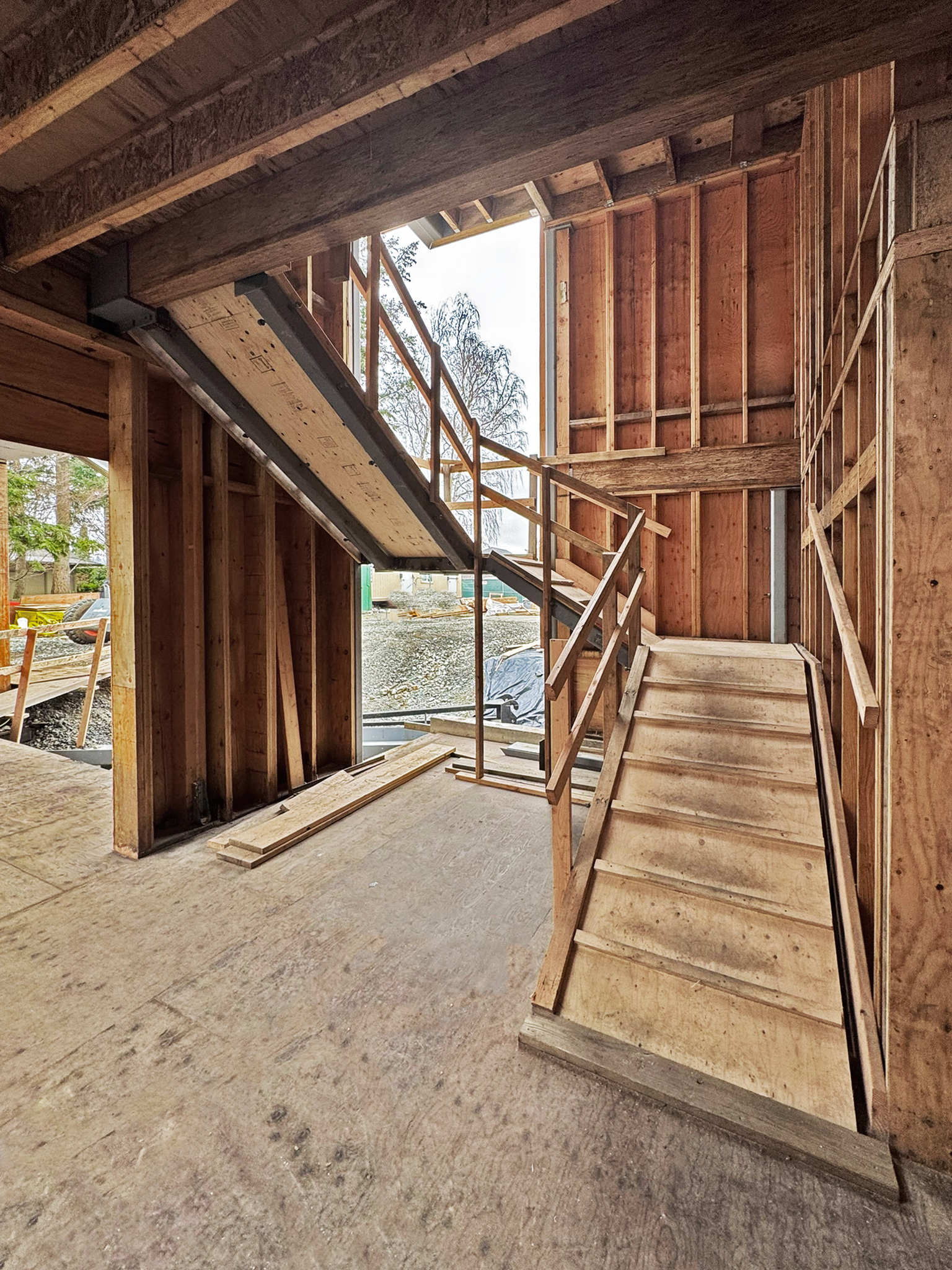
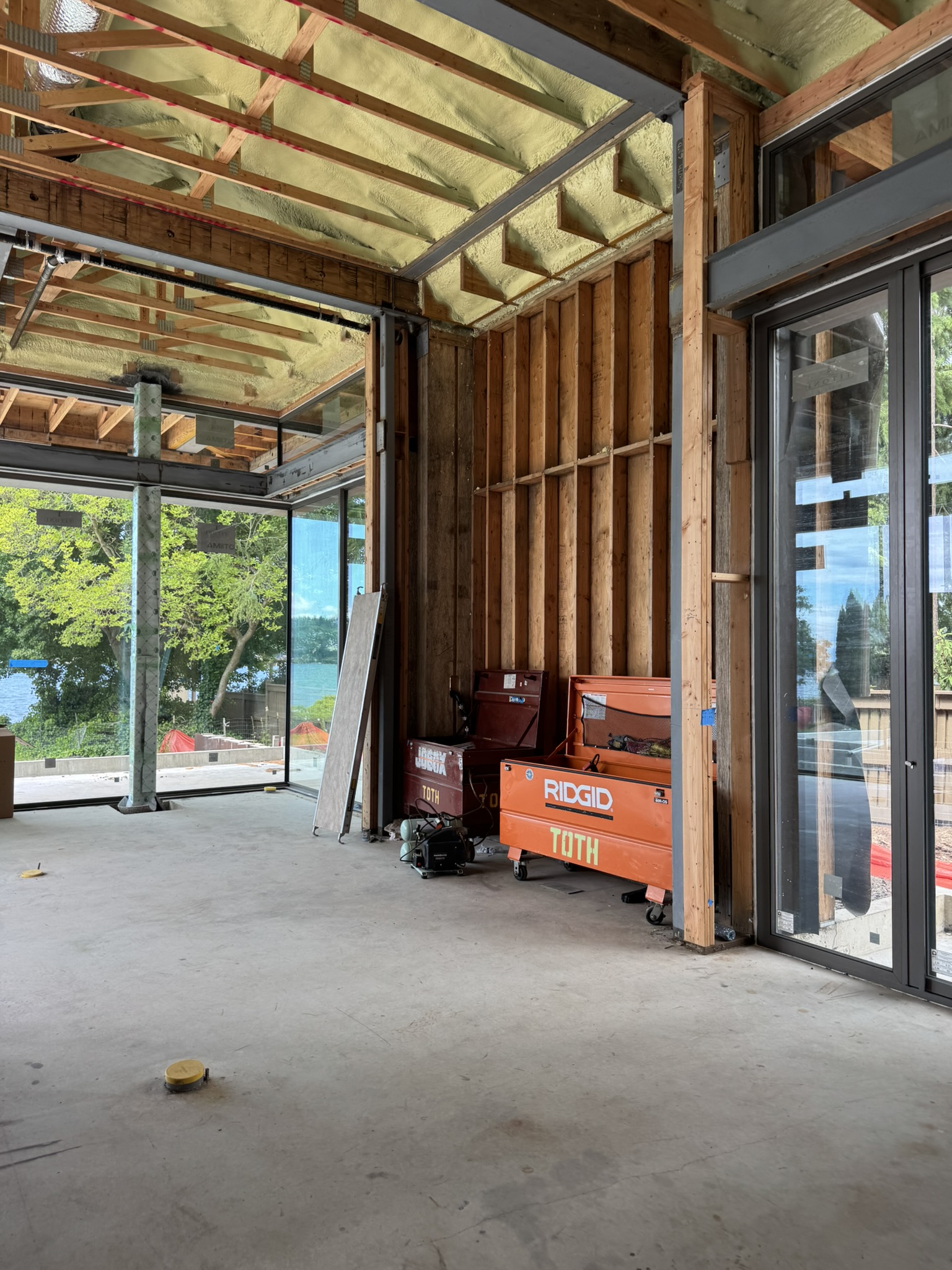
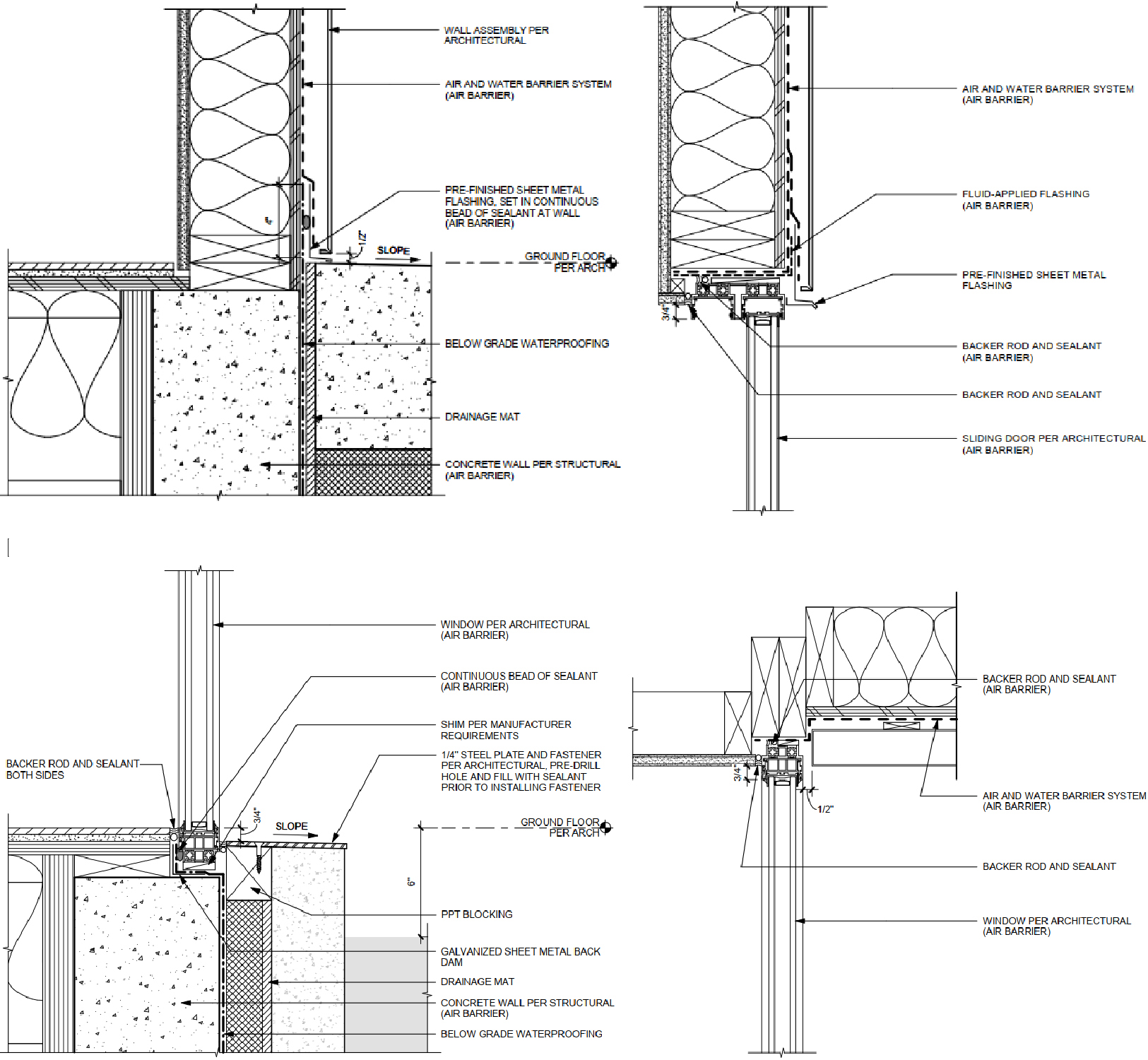
A high-performance building envelope is critical to maintaining comfort and efficiency. By integrating continuous insulation with airtight construction, we significantly reduce heat loss and unwanted air infiltration, keeping indoor temperatures stable year-round. This minimizes energy consumption and increases the overall durability and longevity of the structure.
Such envelopes also improve indoor air quality and acoustic performance, making homes quieter, healthier, and more comfortable. Combined with thoughtful design, these strategies ensure that the home feels naturally temperate, resilient to seasonal changes, and built to the highest standards of quality and environmental responsibility.
Carbon-conscious design is our commitment to shaping homes that minimize both operational and embodied emissions through thoughtful, intentional choices. It begins with a mindset that every aspect of a home’s life cycle—from material sourcing to long-term performance—should contribute to lowering carbon impact. Rather than isolating strategies, we approach carbon reduction as a holistic design philosophy. This means evaluating the carbon footprint of materials early in the process, designing in harmony with the site and climate to reduce reliance on mechanical systems, and aligning the full project team—architects, engineers, and builders—around shared sustainability goals. By embedding carbon awareness into every stage of design and delivery, we create homes that reflect care, clarity, and long-term responsibility.
Our material choices prioritize durability, low embodied carbon, and non-toxic finishes. We favor locally sourced or reclaimed materials when they add value and character to a home, and we collaborate with suppliers committed to environmental transparency. These decisions reduce environmental impact while enhancing the tactile quality and integrity of each space.
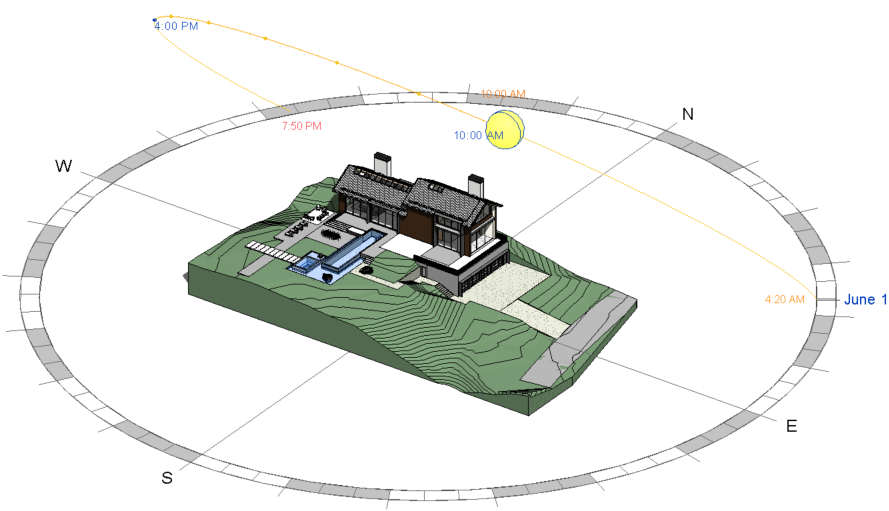
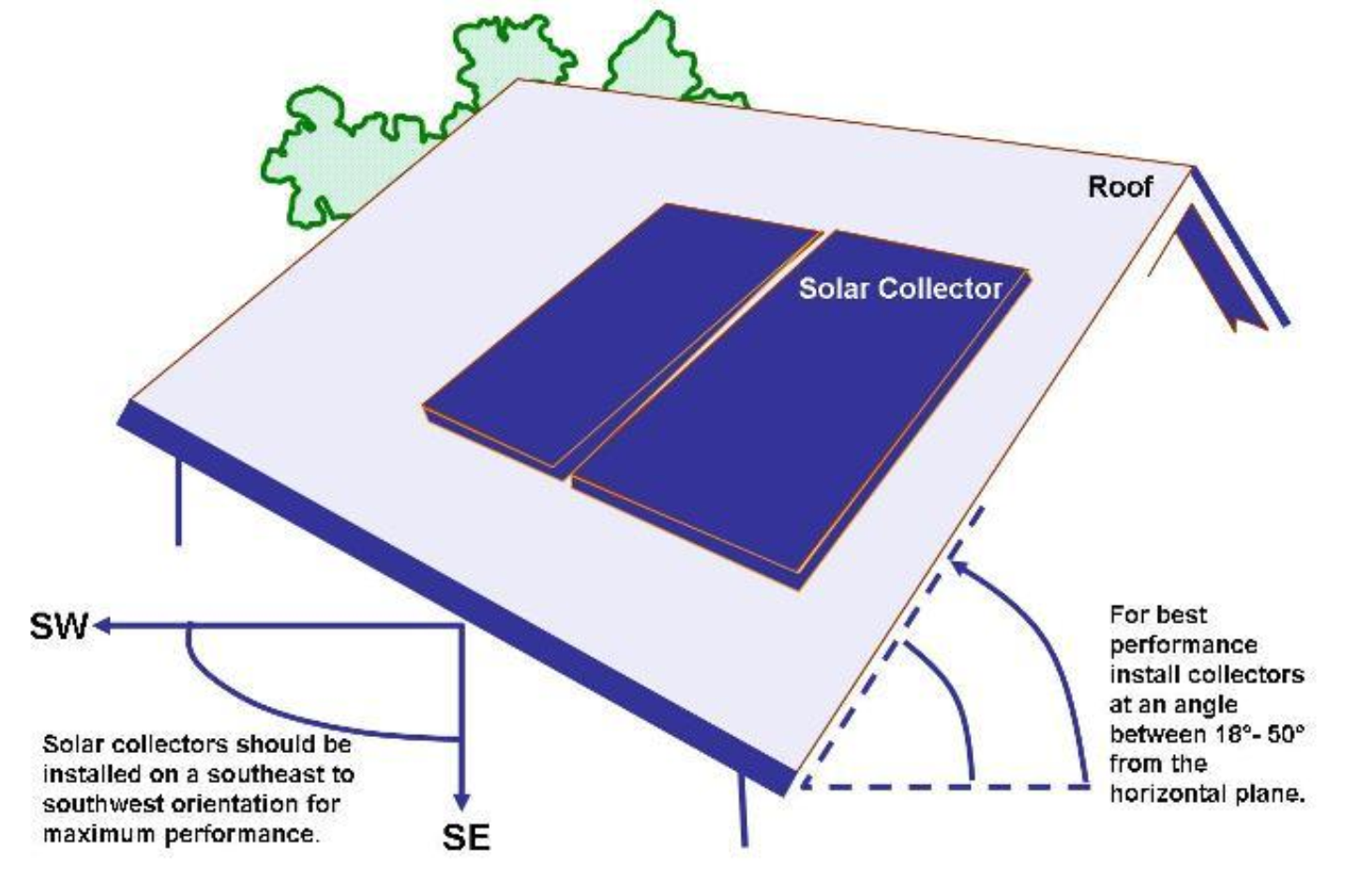
Thoughtful solar orientation is essential to creating comfortable, energy-efficient homes. By positioning living spaces to capture low-angle winter sunlight and provide effective shading from high summer sun, we create interiors that remain naturally warm in cooler months and comfortably shaded during warmer seasons. This reduces reliance on mechanical heating and cooling systems, lowering energy use and enhancing long-term performance.
Beyond efficiency, solar orientation improves the daily experience of a home. Well-placed windows bring in natural light throughout the day, highlight views, and create spaces that feel open, inviting, and connected to their surroundings. For us, solar design is about crafting homes that work seamlessly with the rhythms of nature to support healthier, more enjoyable living.
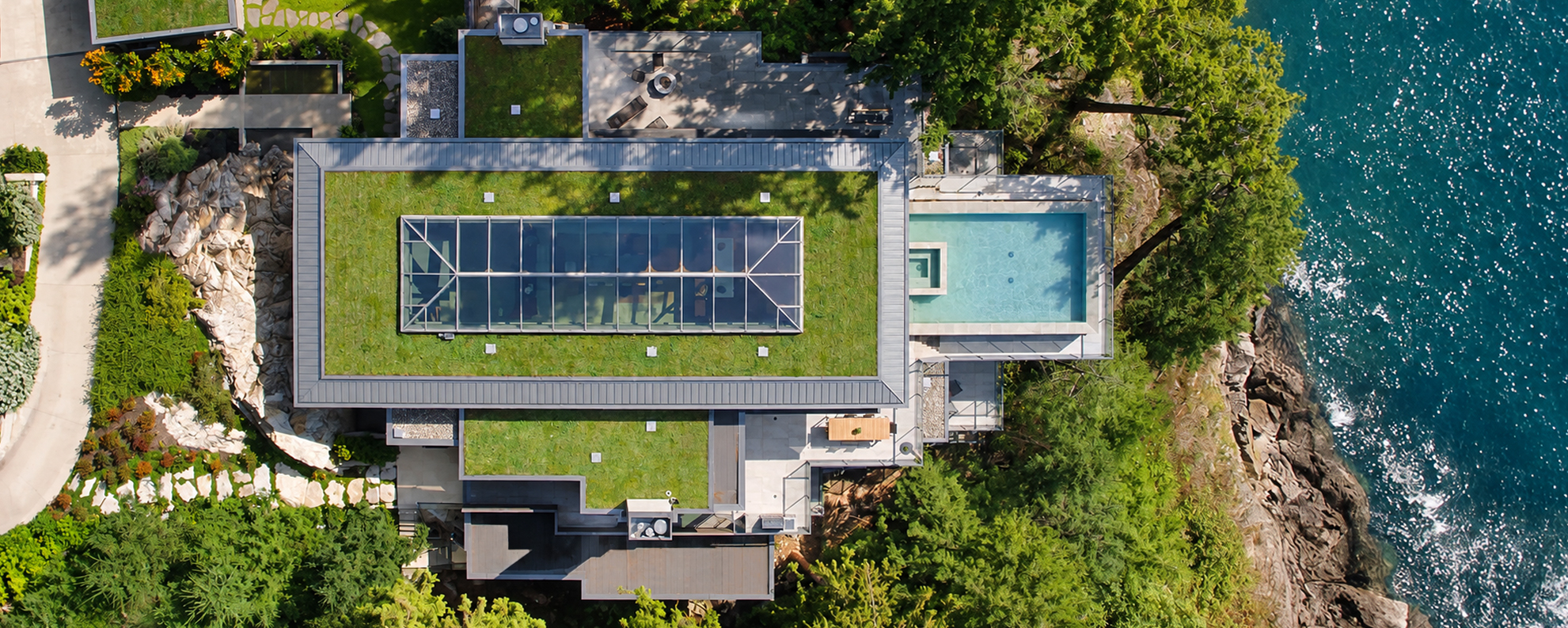
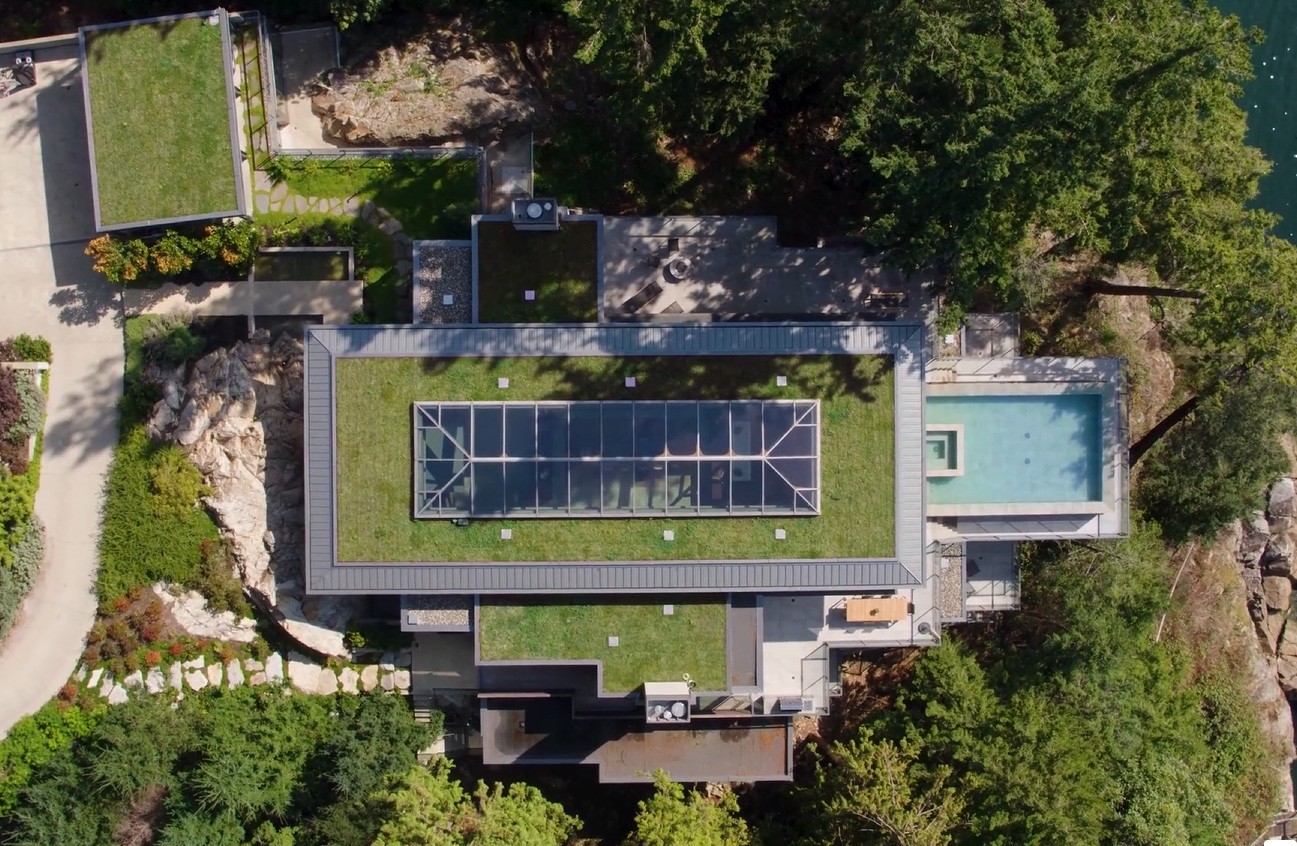
Vegetated roofs provide multiple benefits, from reducing heat island effects to improving insulation and supporting local biodiversity. They can also reduce storm-water runoff and create peaceful natural spaces for residents. For example, the Seattle Justice Center features a green roof that enhances energy efficiency while offering habitat for urban wildlife. We encourage homeowners to consider green roofs where budget and site conditions permit, adding both environmental value and beauty to their homes.
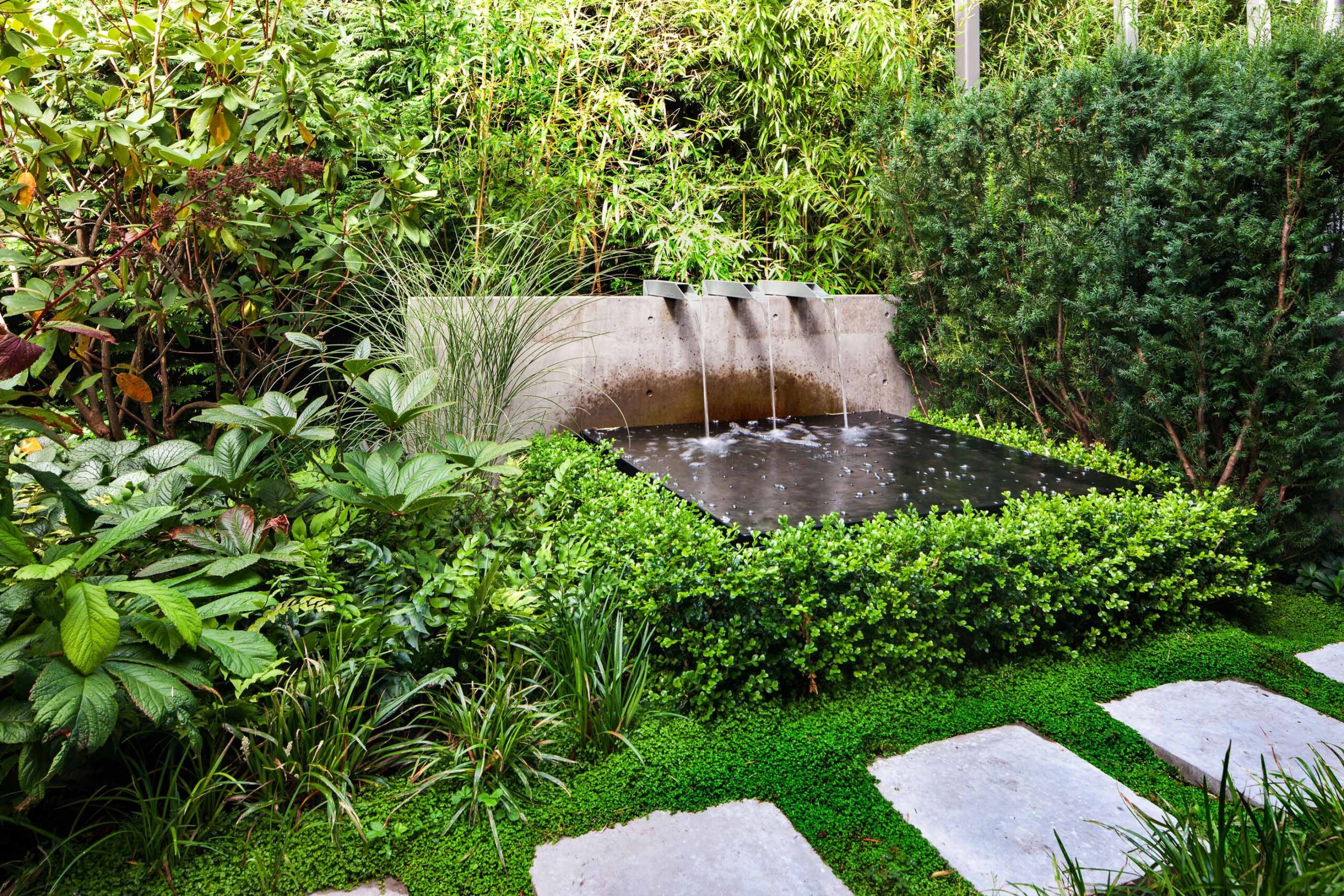
Connecting people to nature is central to wellbeing. We incorporate biophilic principles by designing generous views to gardens and natural landscapes, maximizing daylight, and using natural materials and finishes. Indoor plants, water features, and outdoor living spaces further enhance the sense of calm and connection to the environment.
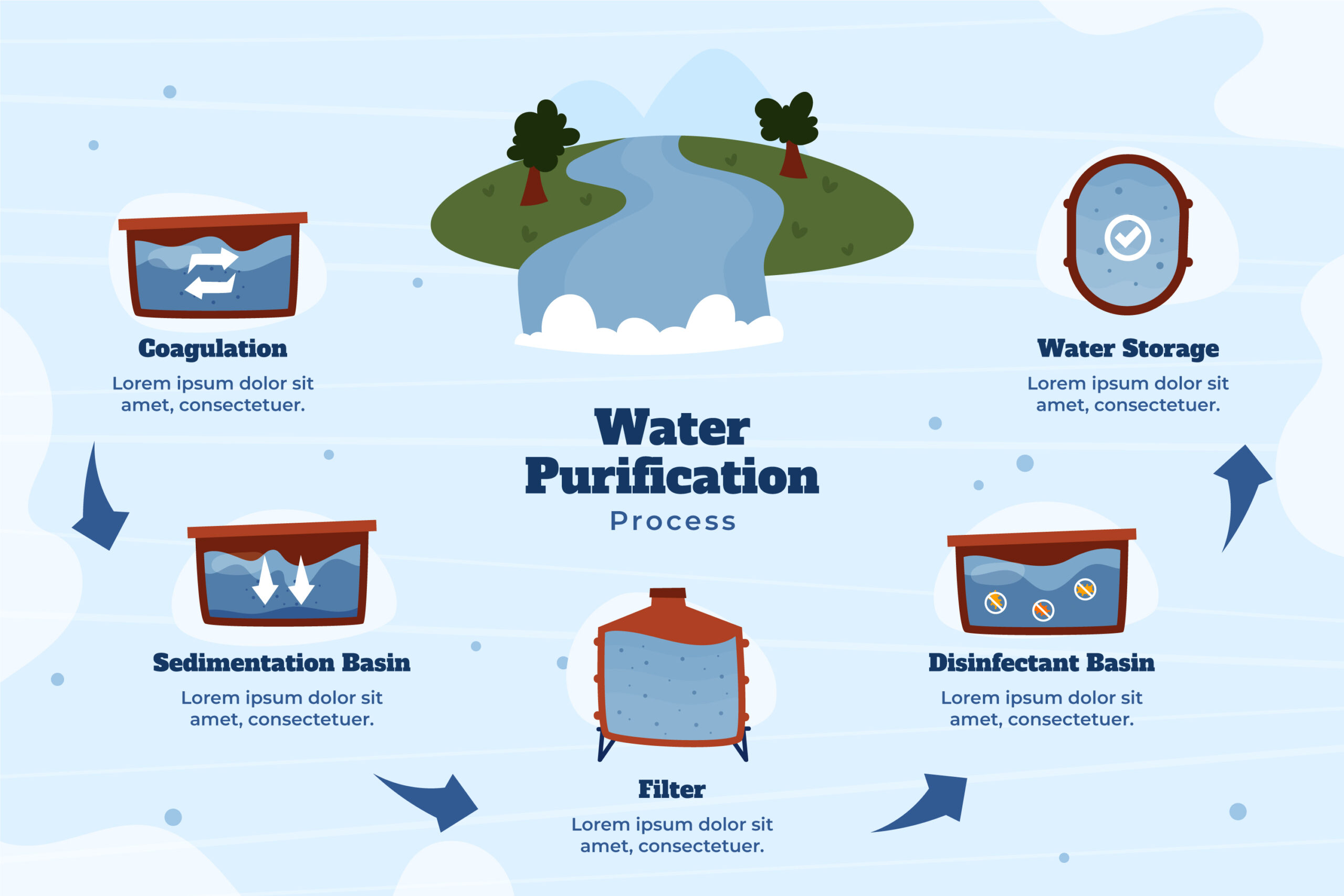
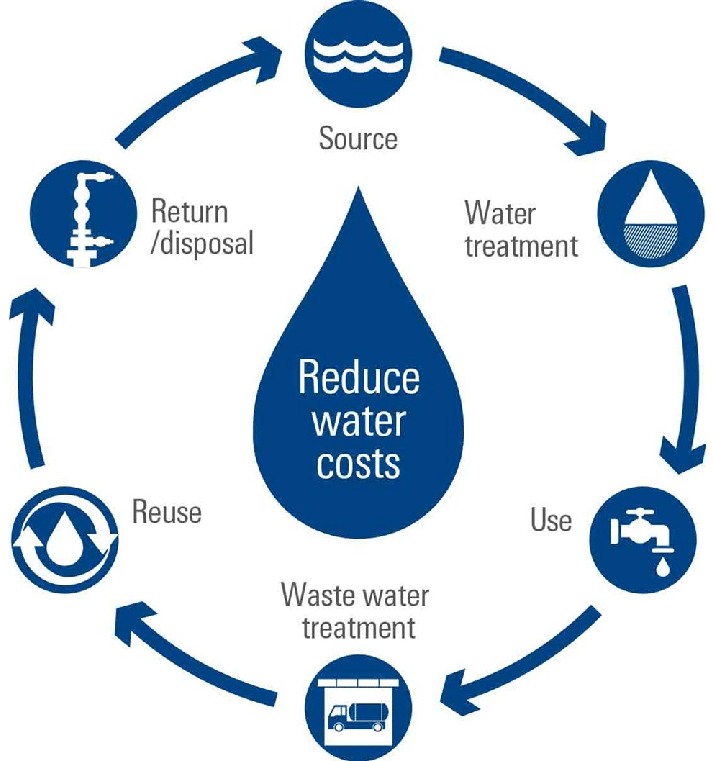

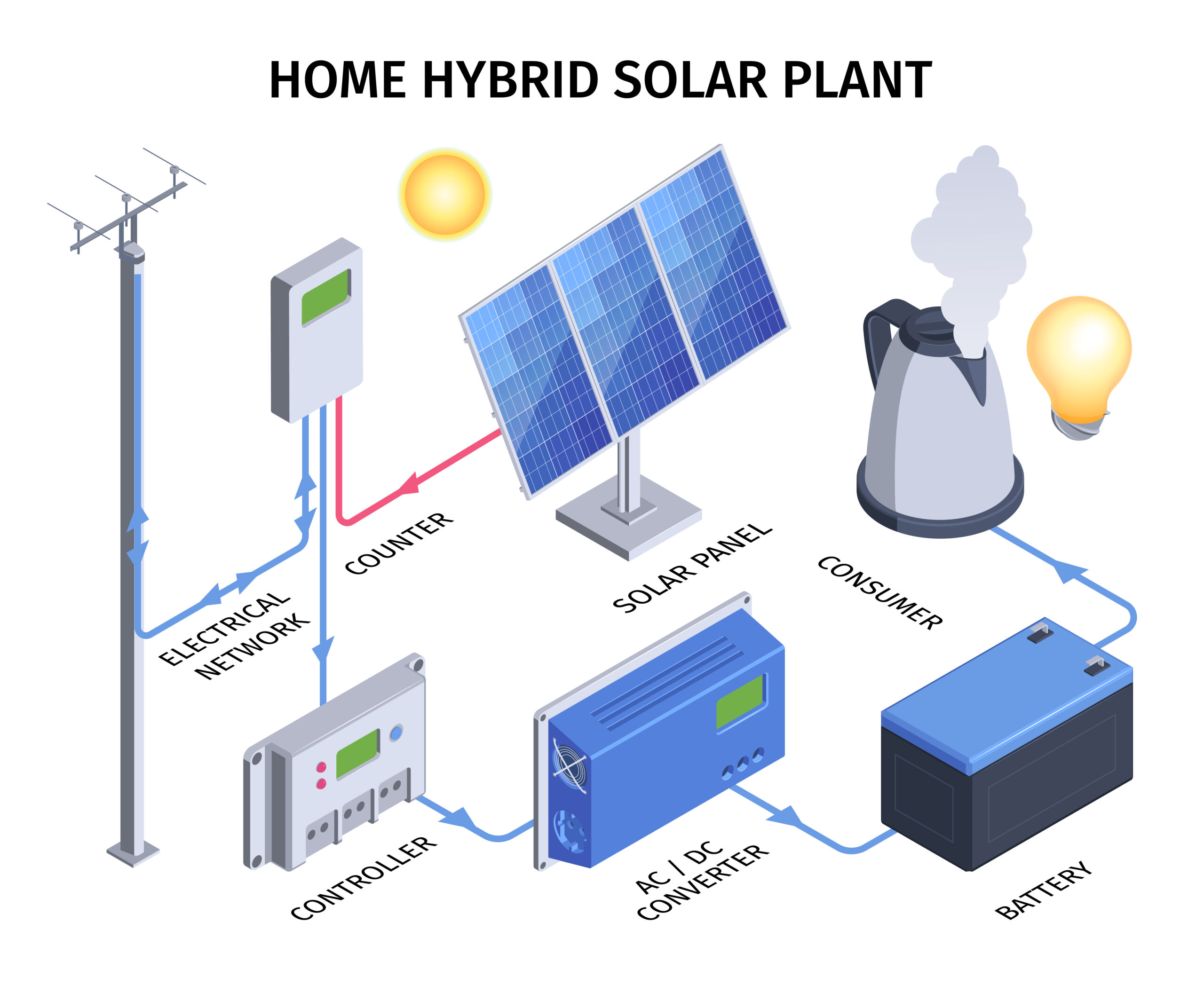
We specify water-conserving fixtures and energy-efficient lighting systems to reduce consumption without compromising performance. Integrated design planning ensures that homes operate efficiently while maintaining the refined comfort our clients expect.
Collecting rainwater for uses such as irrigation and toilet flushing can significantly reduce reliance on municipal water supplies. While irrigation systems are the most common application, rainwater can also be used for toilet flushing if properly filtered and connected to a dedicated non-potable plumbing system that meets local codes. These systems are often cost-effective, simple to maintain, and support broader water conservation efforts. Where regulations allow, we integrate rainwater harvesting into our designs to enhance resource efficiency and resilience.
Geothermal heat pumps provide an efficient way to heat and cool a home by exchanging heat with the stable temperatures below ground. This approach reduces energy use and greenhouse gas emissions while maintaining comfortable indoor temperatures year-round. Beyond environmental benefits, geothermal systems are durable, quiet, and can lower operating costs over time. While installation requires careful planning and an initial investment, they offer long-term value, particularly for homes with sufficient site area. Where appropriate, we integrate geothermal systems seamlessly into our designs to enhance performance and sustainability.


