 ×
×
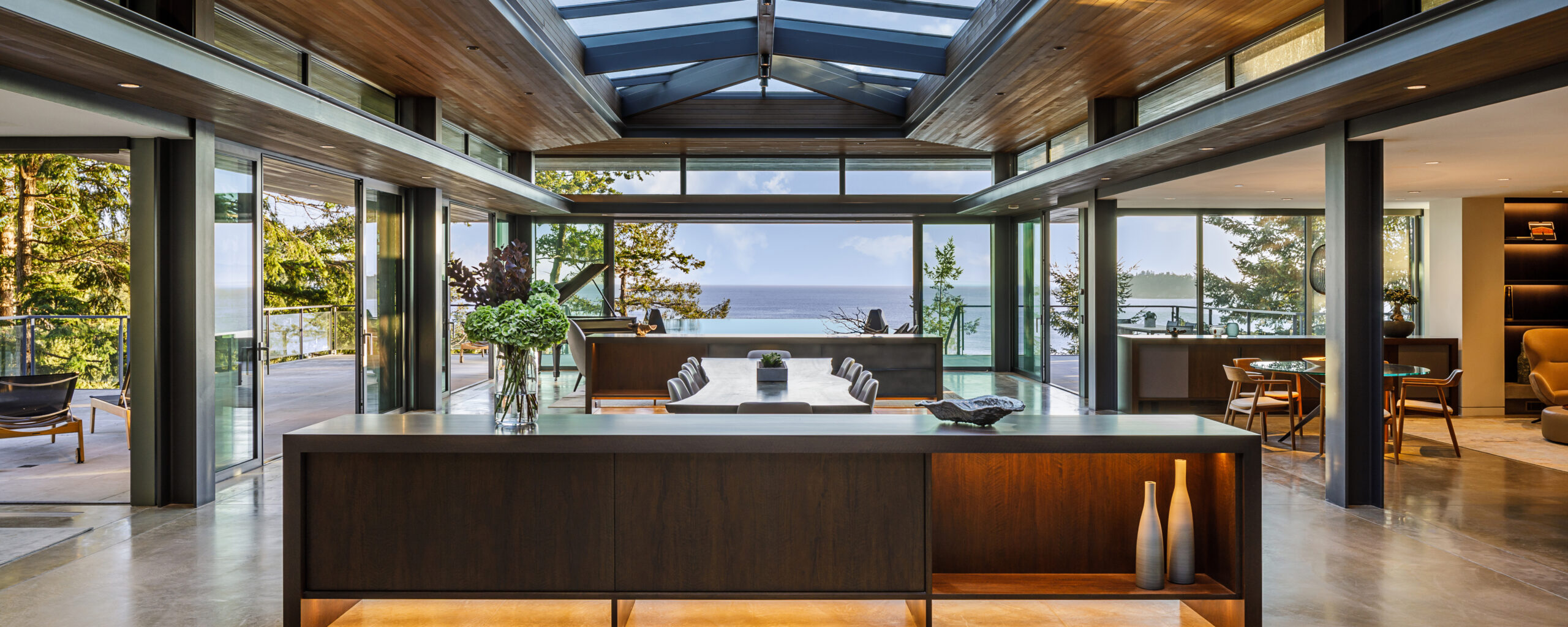
Interior design at its best is the architecture’s continuation rather than its decoration. Cabinetry, lighting, finishes, furnishings, and art carry the language of the building all the way into the smallest detail. Done well, it produces a home where every surface and object feels considered and the whole reads as one body of work.
Our process is built around that integration. Five phases move from research through delivery, mirroring the architectural design build process so the two disciplines can run in parallel rather than in sequence. The phases below describe how an interior design engagement unfolds in our studio.
Each phase has clear deliverables and decision points. Materials are tested against architecture and against each other before they are committed to. Custom pieces are developed alongside specified ones rather than after them. Procurement, fabrication, and installation are coordinated so the home reaches completion as a single composition rather than a sequence of separate decisions. The pace is deliberate because thoughtful selection takes time and because the alternative, fast decisions made under deadline pressure, rarely produces interiors that hold up over years of living.
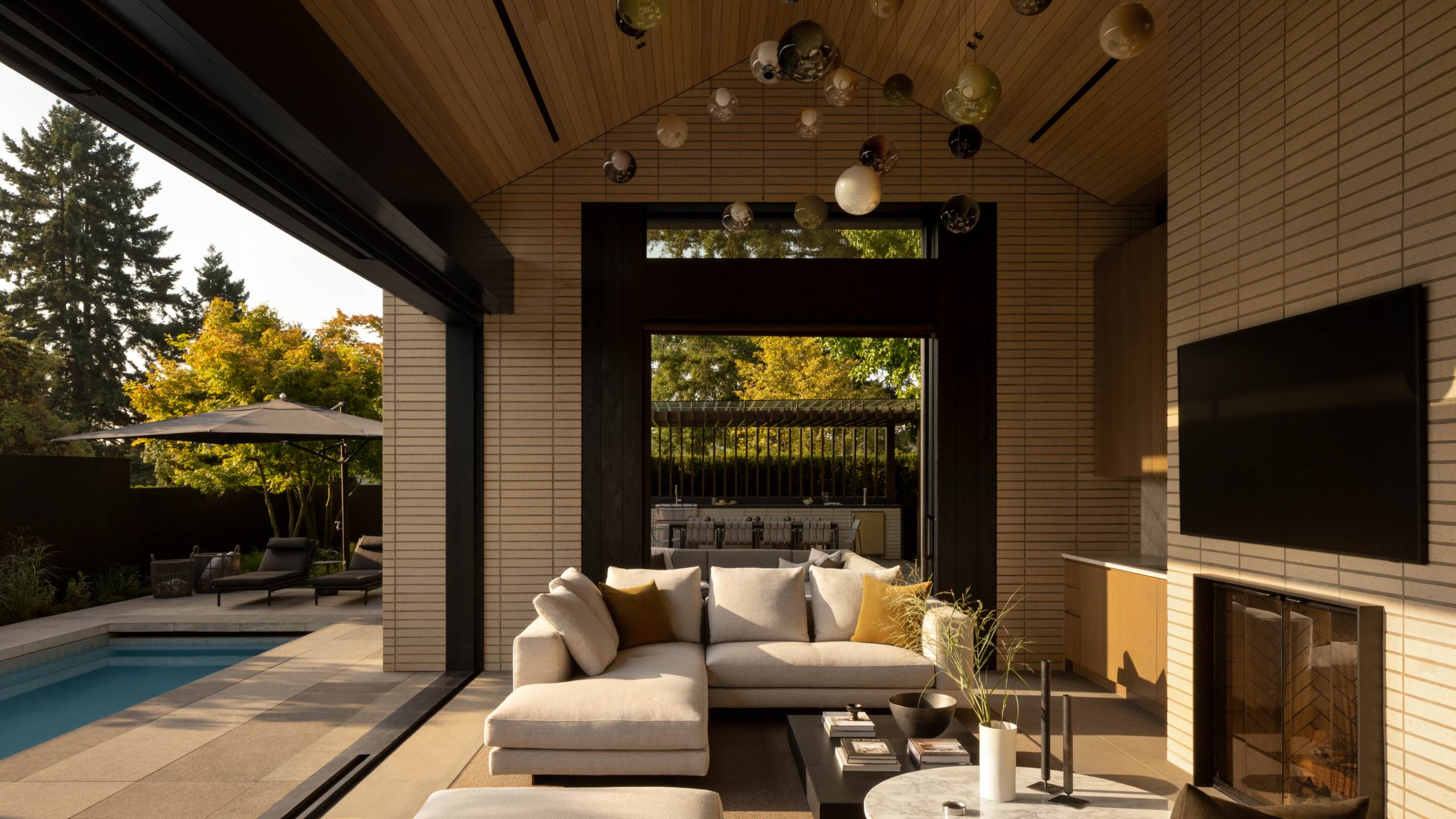
Every interior begins with a careful read of the client. Detailed conversations, site visits, and questionnaires open up how the household lives, what they have responded to in the past, and what the home should feel like before it looks like anything specific. From there, we develop visual research, atmospheric reference, and material direction into mood boards that become the guiding document for the design. The goal is not to lock in choices early. It is to align the studio and the client around a clear direction before any selection work begins.
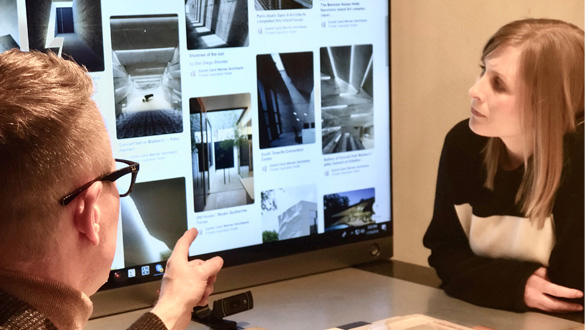
Once direction is set, the materials concept comes into focus. Stone, wood, textile, metal, and finish samples are curated into a palette that holds across the home rather than reading as room-by-room decisions. Color, texture, and pattern are studied together. Samples you can see and touch are presented alongside digital references so the conversation moves between abstract and tangible. By the end of this phase, the home has a unified material language.
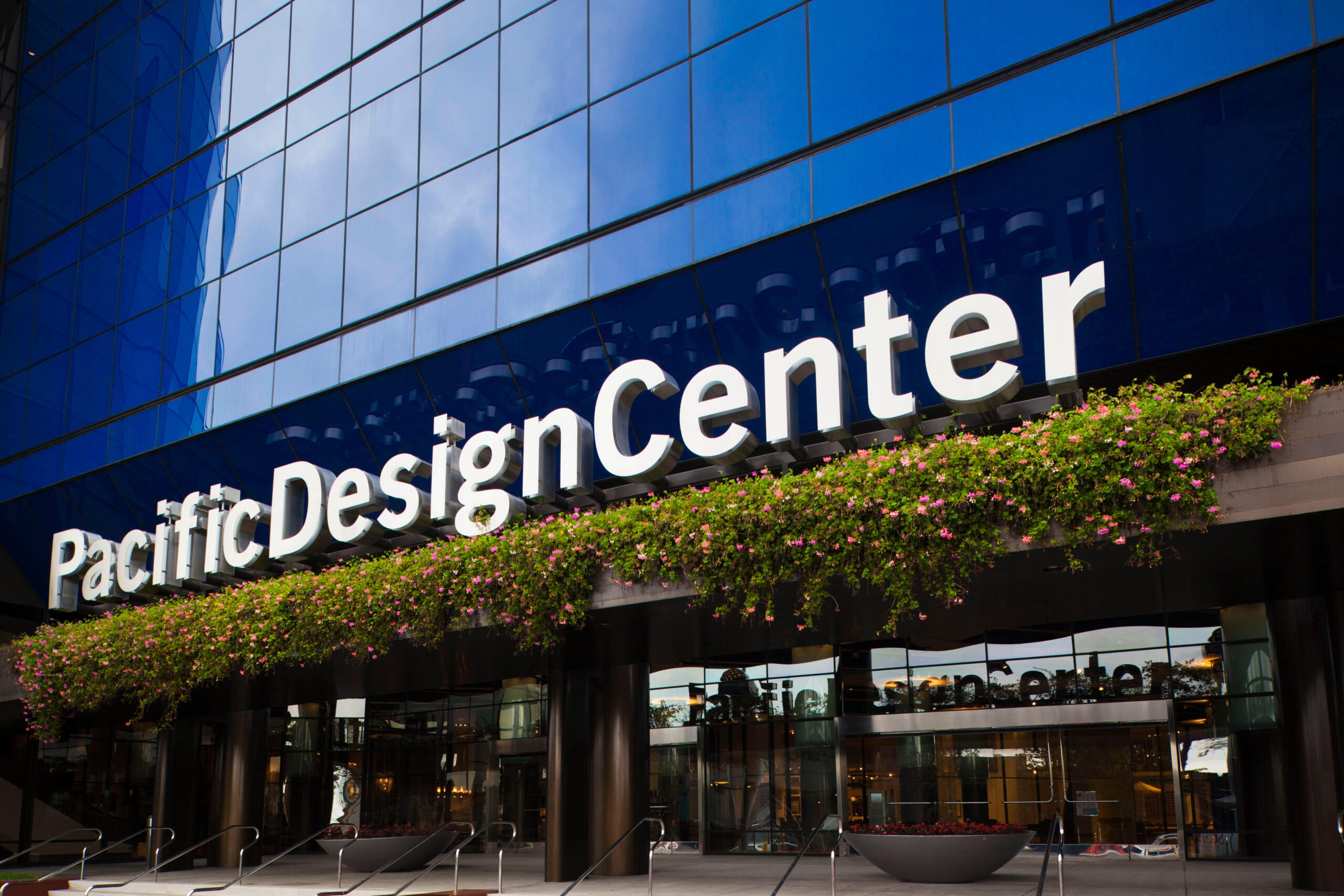
Where the project supports it, we bring clients into the studio and into showrooms to experience materials, fixtures, and furnishings in person. Photographs flatten color and proportion. Standing in front of a stone slab, sitting in a chair, holding a textile, all reveal qualities that screens cannot. The discovery tour is also a chance to refine the palette through reaction rather than abstraction.
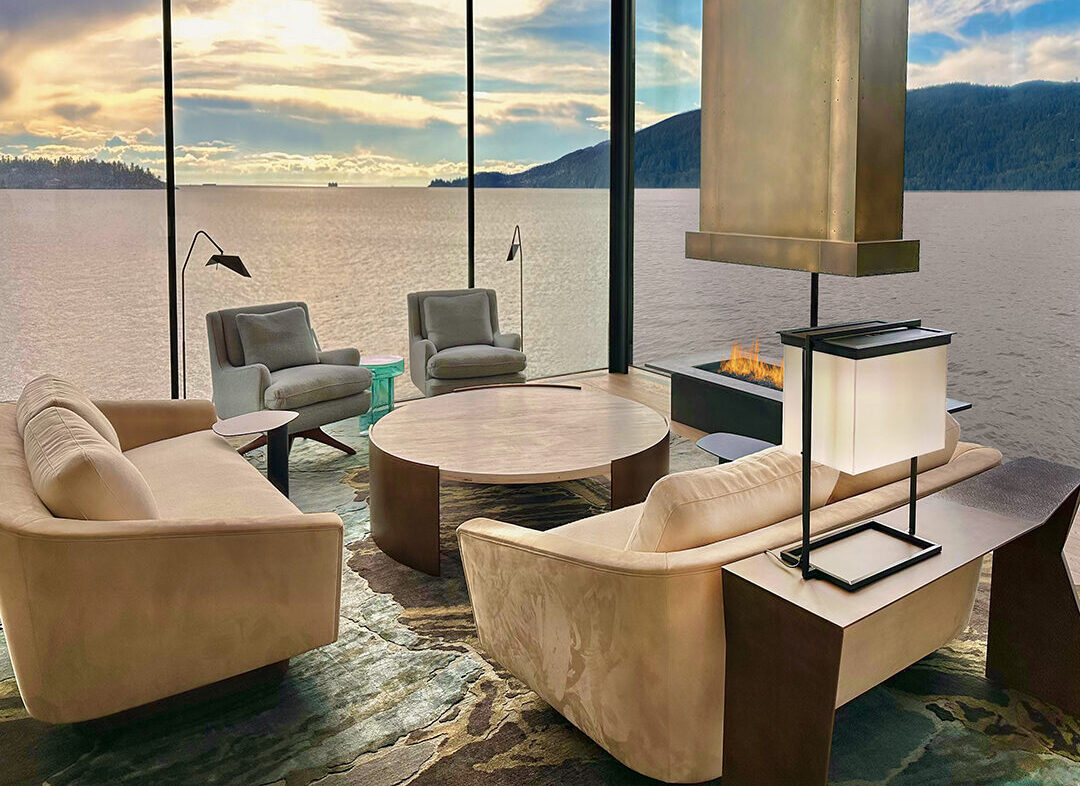
With the palette resolved, selection moves into specifics. Custom pieces designed by our studio are developed alongside curated specifications from manufacturers we have long working relationships with. Furniture, lighting, rugs, art, and accessory selections are all reviewed against scale, proportion, and the rhythm of each room. Selections are documented in detail so procurement and installation run cleanly.
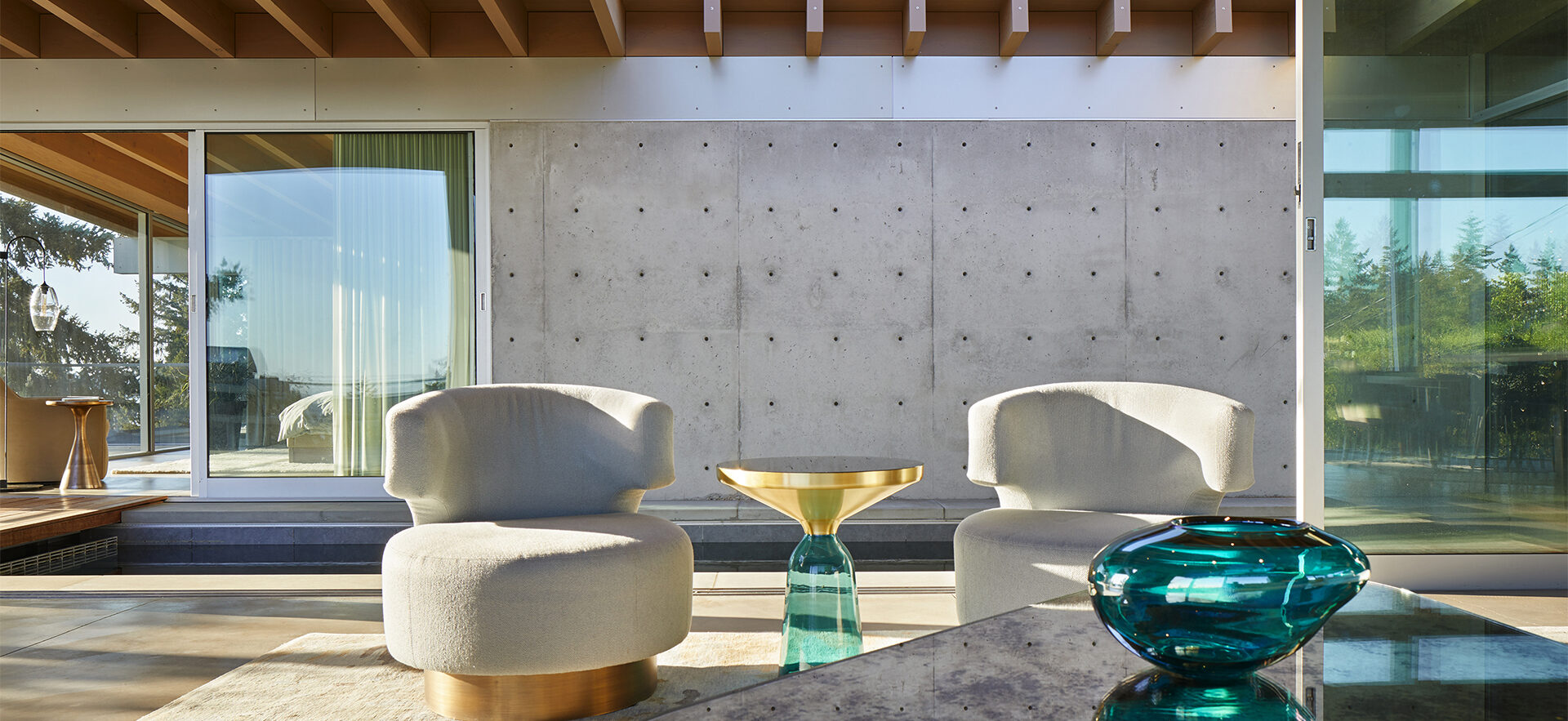
Procurement, fabrication, installation, and styling close the project. Custom pieces from our studio go into production, specified items are ordered and tracked, and our team coordinates delivery and installation on site. Final styling layers in the smaller decisions, the way books sit on a shelf, where art lands on a wall, how textiles fall on a sofa, that complete the room. A walkthrough at the end ensures everything is resolved and the home is ready for the household to live in.
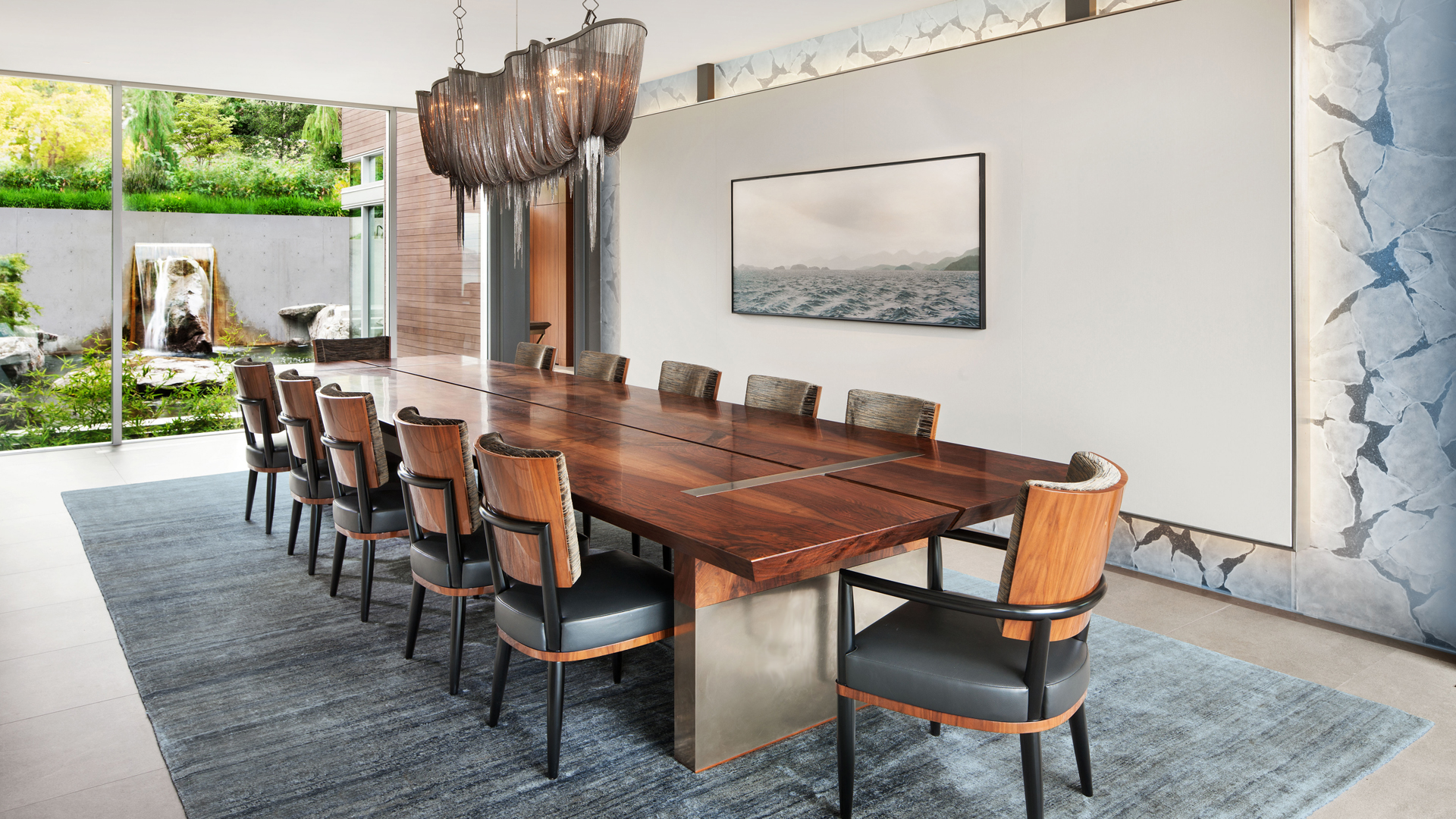
Yes, and it is the most coherent way to work. When architecture and interiors are developed in parallel, decisions inform each other in both directions. Cabinetry that reflects structural geometry, lighting integrated into the architecture, and material continuity from envelope to interior all become possible when the disciplines run together rather than in sequence.
Both. We specify when an existing piece is right for the project and we design custom when the project asks for something a catalog cannot provide. Custom furniture, lighting, and hand-woven rugs from our studio extend the material language of the home into the interior.
Schedules vary with scope. A full-home interior engagement runs across many months because materials and custom pieces have lead times, and because thoughtful selection takes time. We map a realistic schedule with you during early conversations so the pace reflects the work rather than fighting it.
Yes, in many cases. Interior design as a standalone engagement is most successful when the architecture is recently completed or designed with interiors in mind. For older homes or homes where the architecture is fighting the interiors, the conversation often broadens into the interior architecture itself.
Fees are typically structured around the scope of the engagement and the level of custom work involved. We discuss fee structure openly during early conversations so you understand the commitment before any work begins.
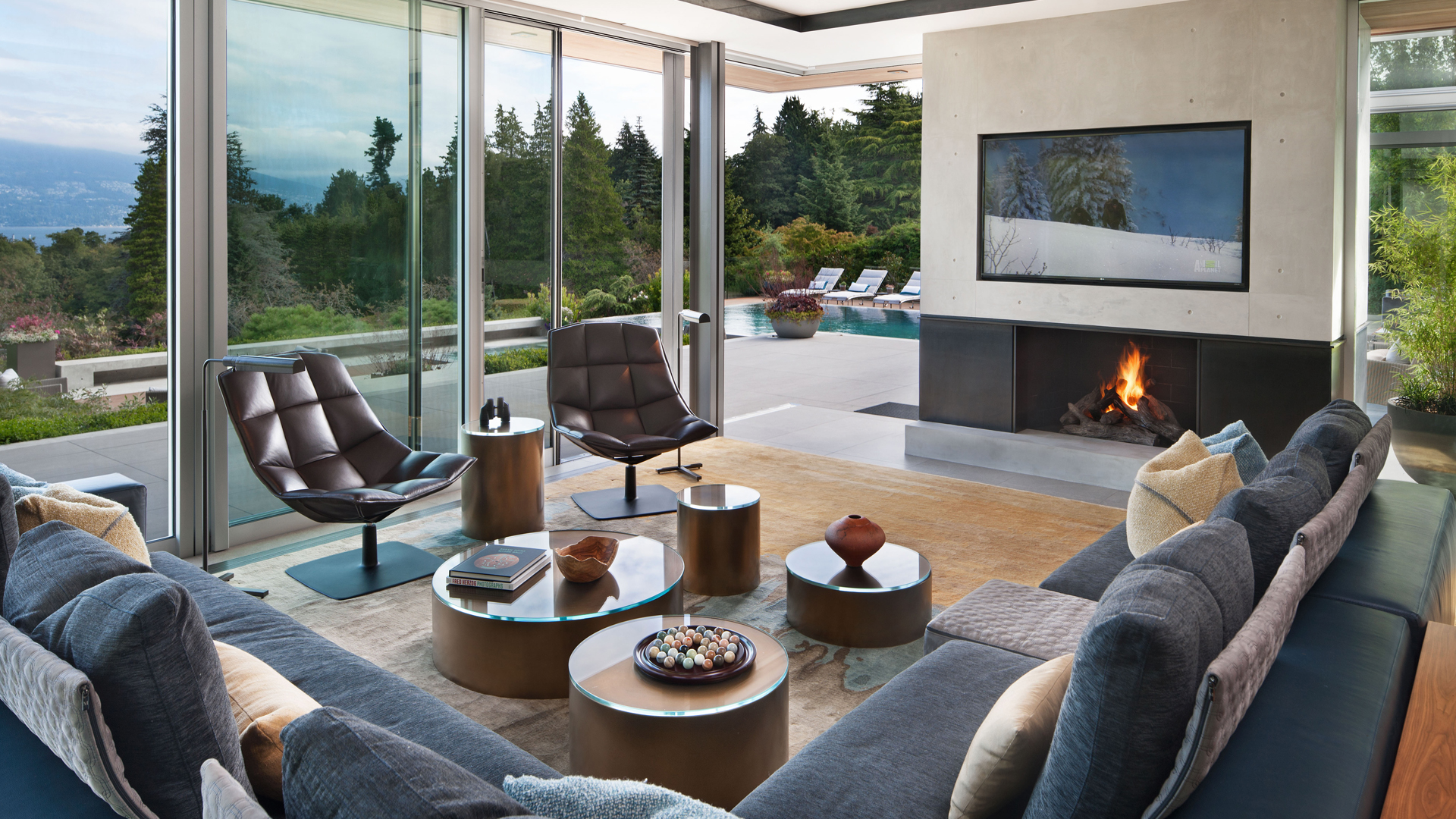
Garret Cord Werner is a full-service architecture and interior design firm founded in 1996, with deep roots in Pacific Northwest construction and a long history of integrating architecture, interiors, and landscape into a single vision. Our studio designs and produces custom furnishings, lighting, and hand-woven rugs to complete each home with continuity from envelope to interior.
If you are planning a new home, a remodel, or an interior project that asks for the kind of integration our studio is built around, we would welcome a conversation.


