 ×
×
June 15, 2026
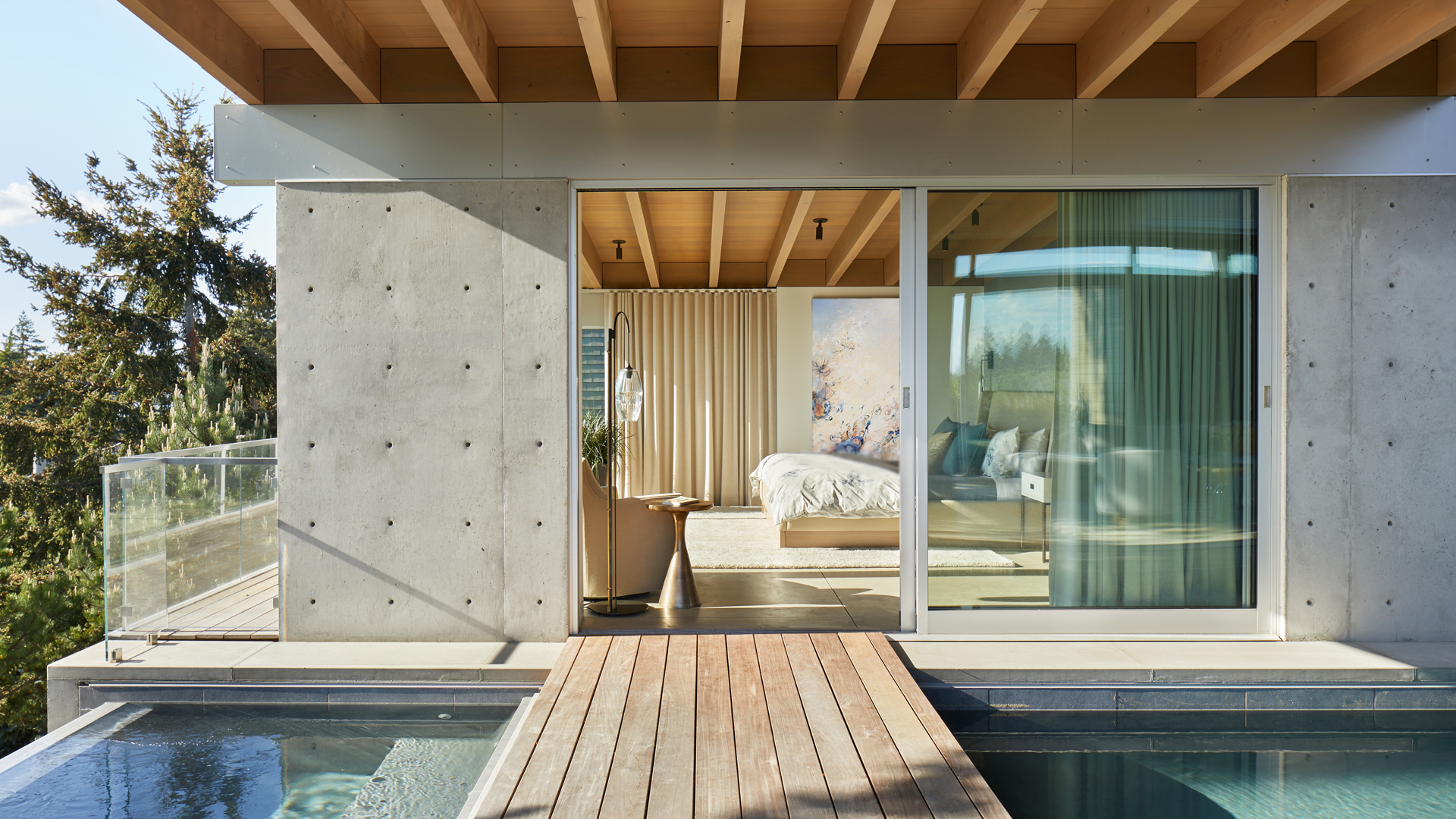
In a luxury residence, architecture and interior design should sing in unison. When these disciplines are thoughtfully integrated from the outset, the result is a home that feels harmonious, tailored, and effortlessly livable. This is the promise of integrated design: a holistic approach to residential architecture that weaves together every element – from the structure and site to the furnishings and finishes – into one unified vision.
High-end homeowners are increasingly drawn to this seamless design-build experience. Instead of piecemeal planning or disconnected style choices, integrated architecture and interior design deliver continuity. The architecture frames each space with intent, and the interiors respond in kind, creating an atmosphere of quiet luxury where nothing is arbitrary. Rooms flow logically from one to the next; sightlines capture curated views; materials and colors echo throughout the property. There are no jarring transitions or “afterthought” corners – only a cohesive narrative from exterior form to interior detail.
As a Seattle architect and interior design studio focused on bespoke homes, Garret Cord Werner has embraced this integrative philosophy for decades. Our multi-disciplinary team designs residences as total environments, ensuring the same creative vision carries through architecture, interiors, and even landscape features. The goal is simple yet ambitious: to craft homes that are beautiful inside and out, with design elements developed together as part of the same story.
Integrated design (also called an integrated architecture design approach) means planning a building and its interiors as an interdependent whole. Instead of treating architecture and interior design as separate, sequential tasks, an integrative architecture process involves both from day one. This integration concept in architecture brings multiple perspectives to the table early on – architects, interior designers, and other specialists collaborate as a unified team guided by one vision. In fact, an effective integrated design process requires a multidisciplinary, collaborative team making decisions based on a shared vision, rather than working in fragmented silos.
For a custom home, the practical meaning of this integral design philosophy is that nothing is designed in isolation. The floor plan, façade, interior layout, and even the landscape are conceived concurrently. Complete integration of a home’s architecture with its interiors, furniture, and surroundings is the goal from the start. In concrete terms, this might mean the same design principal who sketches the exterior form is simultaneously considering interior sightlines and natural light as the concept evolves. Interior designers weigh in on room dimensions and window placement early on, while architects think about where feature lighting or art will go long before walls are finalized. Every decision is made with the total experience in mind.
This approach demands a high level of coordination and vision, but the payoff is a house that feels wholly unified – architecture and décor meshing like pieces of a puzzle crafted together. By embracing an integrated design methodology, the team can achieve outcomes that are aesthetically coherent, functionally optimized, and uniquely reflective of the owners. In essence, it’s the very definition of integral design: all aspects of the home working in concert as one, rather than as disparate components.
Integrated design begins with setting a unified vision from the very first sketches. We believe interior design should never be an afterthought to the architecture, and especially in a private residence it must be planned simultaneously as an integrated extension of the whole. That’s why we start projects by bringing all design disciplines together in the concept phase. From the outset, our architects and interior designers (often alongside landscape designers) work as one team to establish the guiding vision for the home. Early ideas for form, space, and style are developed collaboratively, ensuring that architecture and interiors align in purpose and character.
This upfront unity has immense benefits. When both perspectives are present from day one, each informs the other. For example, an architect might imagine a dramatic double-height living area; with an interior designer in the room early, that volume can be refined to feel intimate and human-scaled when furnished, with lighting and acoustics planned accordingly. Conversely, the interior designer’s vision for an expansive kitchen island or a statement staircase can influence the architectural layout before it’s set in stone. From the beginning, both structure and furnishings are conceived to complement each other. Working as a team from the very start allows us to ensure that all design elements work harmoniously together, avoiding costly adjustments down the road.
Critically, this integrated approach prevents the design disconnects that often plague projects where architecture and interiors are handled separately. In a traditional process, a homeowner might hire an architect first and bring in an interior designer much later – but by then the building framework may be largely fixed. The late-arriving interior designer must retrofit cabinetry, furniture layouts, and finishes into a shell that wasn’t conceived with those details in mind. The result can be awkward compromises or expensive changes. We avoid those pitfalls by fusing architecture and interior design from day one. Nothing feels tacked on or “made to fit” after the fact. There are no unfortunate soffits added at the last minute to hide ductwork, no windows placed without regard for views and furniture, no clashes between the location of a beam and a desired ceiling feature. Every element is integrated into the original vision, so the design unfolds smoothly and logically.
An integrated design team continues to work in tandem through every phase of development, keeping the project in harmony as details emerge. As the design progresses from concept sketches into detailed plans, architects and interior designers remain in constant communication. They refine the design together, trading ideas and expertise. This collaborative design development means that as the architect finalizes the structure and spatial layout, the interior designer is simultaneously developing material palettes, custom millwork, lighting designs, and furniture plans. Both sides review each other’s work in real time, ensuring nothing important is overlooked or in conflict.
When architecture and interiors stay in sync like this, the technical coordination is much smoother. Potential clashes are caught on paper (or in the digital model) long before construction – for instance, structural beams won’t interfere with a dropped ceiling detail or a planned built-in, because those interior elements were coordinated with the engineering from the get-go. We often create shared drawings and 3D models that incorporate both architectural and interior components, so the design can be reviewed holistically. If any adjustments are needed, the team addresses them together, rather than in isolation. This saves considerable time and headache later on.
The unified team approach also has clear benefits in terms of project efficiency. When interior considerations are not postponed, you avoid misalignments that lead to rework. Without integration, it’s common to see last-minute scope changes that inflate budgets and delay projects – for example, having to tear out a section of wall because a late interior decision requires new wiring, or ordering custom furniture that doesn’t fit the room as built. By contrast, our integrated process minimizes such surprises. Design decisions are vetted by all disciplines upfront, greatly reducing costly change orders during construction. The overall schedule is more streamlined too: architecture and interior tasks progress in parallel rather than in sequence, which can shorten the timeline to completion.
For the client, engaging one firm that provides both architecture and interior design (and oversees coordination with builders) simplifies the entire journey. It’s a true combined-services model that offers peace of mind. Instead of juggling separate architect and designer contracts or mediating between different consultants, the homeowner can rely on a single, cohesive team. Communication flows through one channel, and there is a single point of accountability for delivering the final result. Our design-build process is structured around this integration: we guide clients through each phase, from initial planning and permitting to interior installations, with a consistent team and clear milestones. This unified approach not only makes the process more straightforward for the homeowner, it also ensures that the original design vision is carried through to every detail without dilution. The end-to-end continuity translates to a smoother construction phase and a home that faithfully reflects the intent set out at the project’s start.
A hallmark of integrated architecture and interior design is the seamless relationship it creates between indoor and outdoor spaces. When one creative vision shapes both the building and its interiors, the result is often a more fluid connection with the surrounding environment. Our projects frequently blur the lines between inside and out, aligning architecture, interior décor, and landscape into one immersive experience. In fact, many of our architect and interior design projects showcase this indoor–outdoor synergy as a defining feature.
For instance, in one coastal residence we designed, floor-to-ceiling glass walls retract completely, allowing the living room to merge with a broad terrace and panoramic ocean view. The same natural stone used on the exterior patio continues inside as a wall finish, and the interior wood ceiling extends past the glass to form a covered outdoor overhang. Furnishings on the terrace mirror the tones and textures of the interior décor. Because the architecture and interior design were conceived together, this seamless interior-exterior style feels effortless – the home’s open-plan living space and its landscape become one, unified domain. Similarly, in an urban retreat project, we integrated a tranquil courtyard and reflecting pond directly into the home’s layout, with a sliding glass door that opens a spa-like bathroom to a private garden. Features like a sunken Japanese soaking tub sit at the threshold of indoors and outdoors, literally blurring the boundary between house and landscape. These cohesive design outcomes arise only through careful forethought: architectural elements, interior layout, and landscape features were all planned hand-in-hand.
By treating the site and structure as parts of a single composition, an integrated approach ensures the house embraces its setting. Views and natural light are maximized as part of the design (rather than left to chance), and outdoor areas feel like extensions of the interior living space. Exterior materials, forms, and even landscaping are chosen to complement the interior ambiance, creating a dialogue between architecture and nature. The home feels grounded in its environment and composed from a consistent palette of forms and materials. For the homeowner, this means stronger indoor-outdoor living: you might find that the patio is as inviting and stylistically cohesive as the living room, or that a garden vista was deliberately framed by an interior axis for a picturesque effect. The entire property reads as one thoughtfully orchestrated environment, which is a key benefit of integrating design across disciplines.
Another major advantage of an integrated design approach is the ability to create a home that is deeply personal and richly livable. Residential architecture, after all, is not meant to be a museum of the architect’s ideas – it should feel like home for the people who live there. By involving interior design expertise from the beginning, we ensure the project reflects the client’s lifestyle and personality at every turn. The pragmatic needs and personal wishes of the homeowners inform the architecture just as much as aesthetic or structural considerations do.
In practical terms, this means that functional requirements and special features are baked into the design of the house, not slapped on later. For example, if a family loves to cook and gather in the kitchen, we’ll plan the architecture of that space around an oversized island, top-tier appliances, and cozy seating nooks, creating a layout that fosters togetherness. If a client has an extensive art collection, we’ll incorporate gallery-style walls or niches with proper lighting into the initial plans, so the architecture literally showcases their passion. The interior designers on our team contribute insights about how the clients will use each room day-to-day – where morning light should fall for a yoga alcove, how a mudroom needs to function for an active family, or what closet space is required for a couture wardrobe – and the architecture is tailored accordingly. The home is essentially custom-tailored to its owner’s needs, much like a fine suit is cut to fit its wearer.
This intensive personalization is only possible through integration. Often, homes designed in a disconnected way end up feeling impersonal or “staged,” because they lack those layers of materiality and practical personalization that truly reflect an individual. By contrast, an integrated design results in spaces with soul. Every detail, from window seat dimensions to the finish of a handrail, has been considered in terms of how it will be used and enjoyed by the occupants. Interior design elements (lighting, color, furniture, textiles) aren’t superficial decorations – they are part of the architectural concept and contribute to the character of the home from the start. The outcome is a residence that not only looks stunning, but also feels natural and comfortable to inhabit. It becomes more than a collection of rooms; it becomes your home.
This approach also elevates the quality and uniqueness of the final design. Integrated teams can more readily incorporate bespoke solutions and artisanal touches that set a home apart. Because we plan architecture and interiors together, we can design one-of-a-kind features like a sculptural staircase, a custom fireplace, or built-in furniture that is literally part of the architecture. Our firm often collaborates with craftspeople to create custom lighting, cabinetry, rugs, and furniture pieces specifically for a project – these elements are conceived as extensions of the architecture, not afterthoughts. The result is a level of detail and individuality that is difficult to achieve otherwise. In today’s high-end market, where “quiet luxury” and authenticity are prized over ostentation, this integrated, detail-driven approach aligns perfectly. The home feels quietly powerful in its cohesion and craftsmanship. Every material and fixture belongs; nothing is gratuitous or out of place. This subtle harmony is something people can sense immediately when they step inside.
Choosing an integrated architecture and interior design team offers several key advantages for discerning homeowners:
For clients seeking the very best in residential design, an integrated design approach provides a path to a truly cohesive and gratifying home-building experience. It ensures that the finished residence is not only architecturally striking, but also warm, inviting, and tailored to your life – the full package with no compromises. The integrated model streamlines the journey and delivers a result that simply feels right: a home where every element belongs.
At Garret Cord Werner, this philosophy of fusion guides everything we do. Our architects and interior designers work hand-in-hand from concept to completion, delivering homes that are quietly powerful, deeply livable, and meticulously crafted at every turn. The value of this approach is evident in the outcomes – many of our projects have been recognized with awards for architecture and interior design – but most importantly, it is reflected in the lasting satisfaction of our clients.
If you’re considering a custom home or major remodel, we invite you to discover how a unified design-build process can make the experience both efficient and rewarding. From initial site selection and architectural planning through interior design and final styling, our comprehensive team will guide you through each phase with clarity and care. Feel free to contact us to discuss your vision. We are here to ensure that your dream home is realized as one cohesive, timeless work of art – a sanctuary that beautifully integrates architecture and interior design for the way you want to live.


