 ×
×
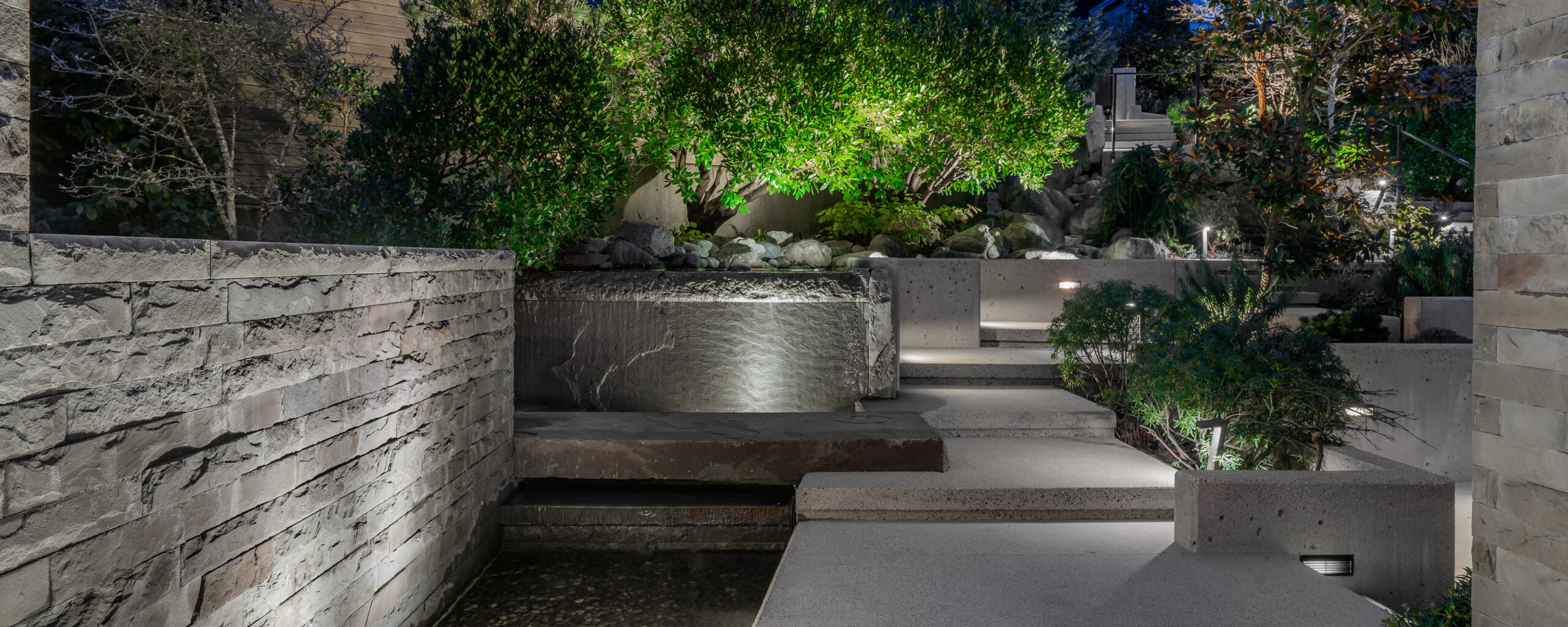
A garden in the Pacific Northwest works with one of the richest planting climates in the country. Mild winters, long springs, dry summers, and the soft light that defines the region all support a remarkable range of plants. The challenge is not whether things will grow. The challenge is composing a garden that holds up across all four seasons, fits the architecture it surrounds, and can be cared for at the level the household wants to commit to.
Garret Cord Werner approaches garden design as a discipline integrated with the architecture and the hard landscape rather than as a finishing layer added at the end. Planting plans, garden structure, and seasonal interest are developed during the same design process that shapes the home, with the same attention to proportion, light, and material that defines the building.
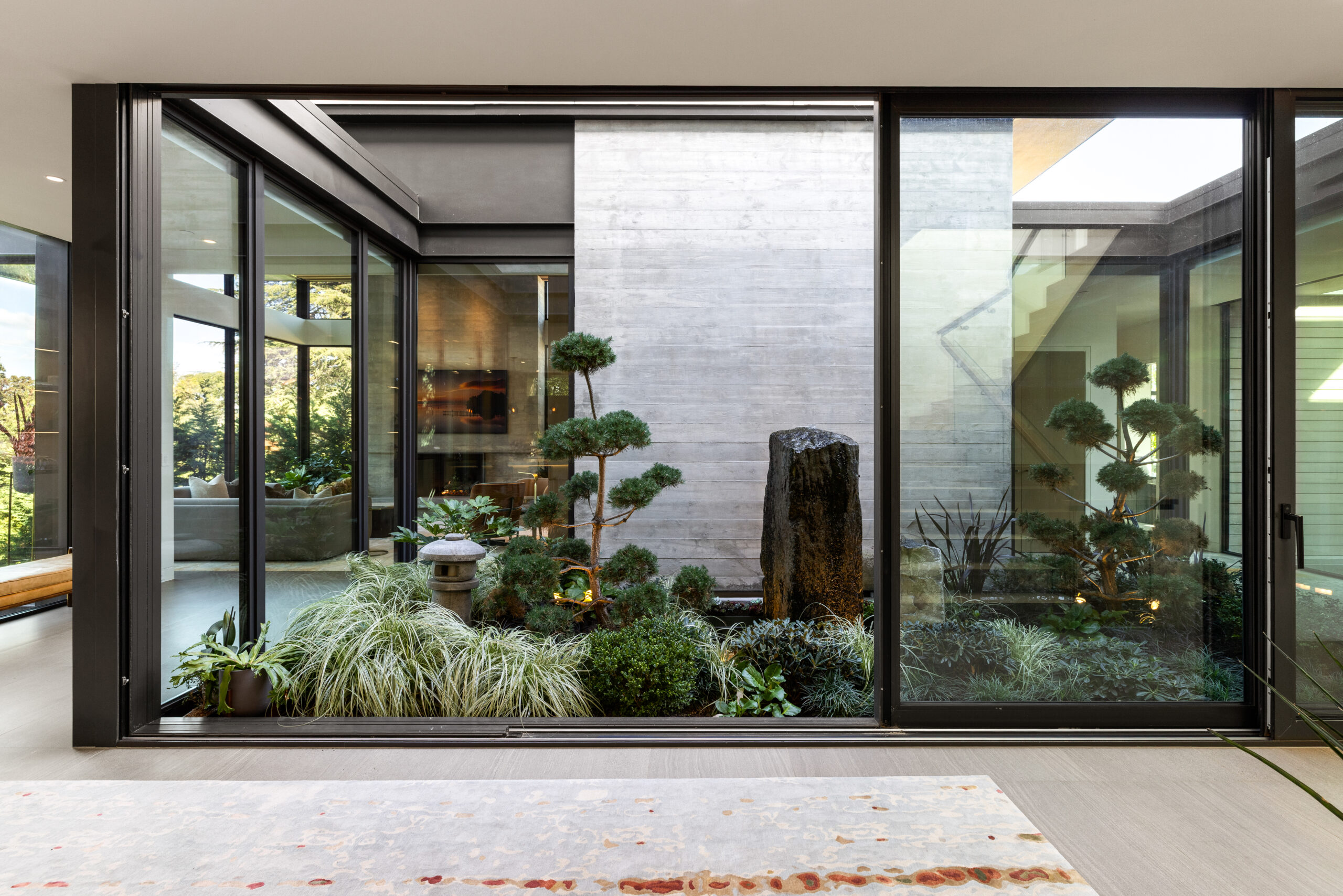
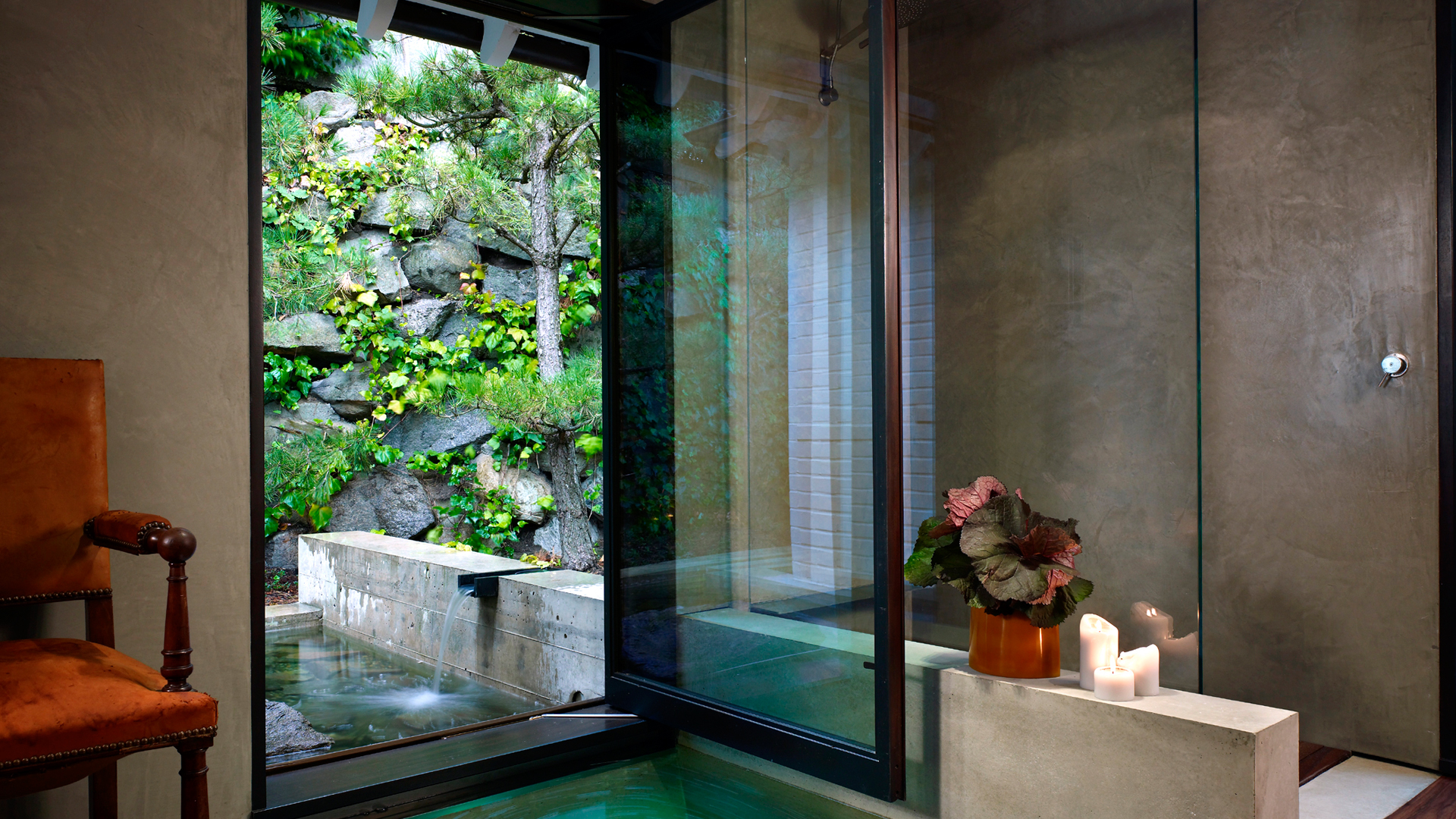
A garden designed in concert with the architecture reads as continuous with the home. Sightlines from interior rooms frame planted views the way the architecture intends. Thresholds soften because garden and hardscape were detailed together. Plant palettes echo the material palette of the building. The garden becomes part of how the house is lived in rather than something the house looks out onto.
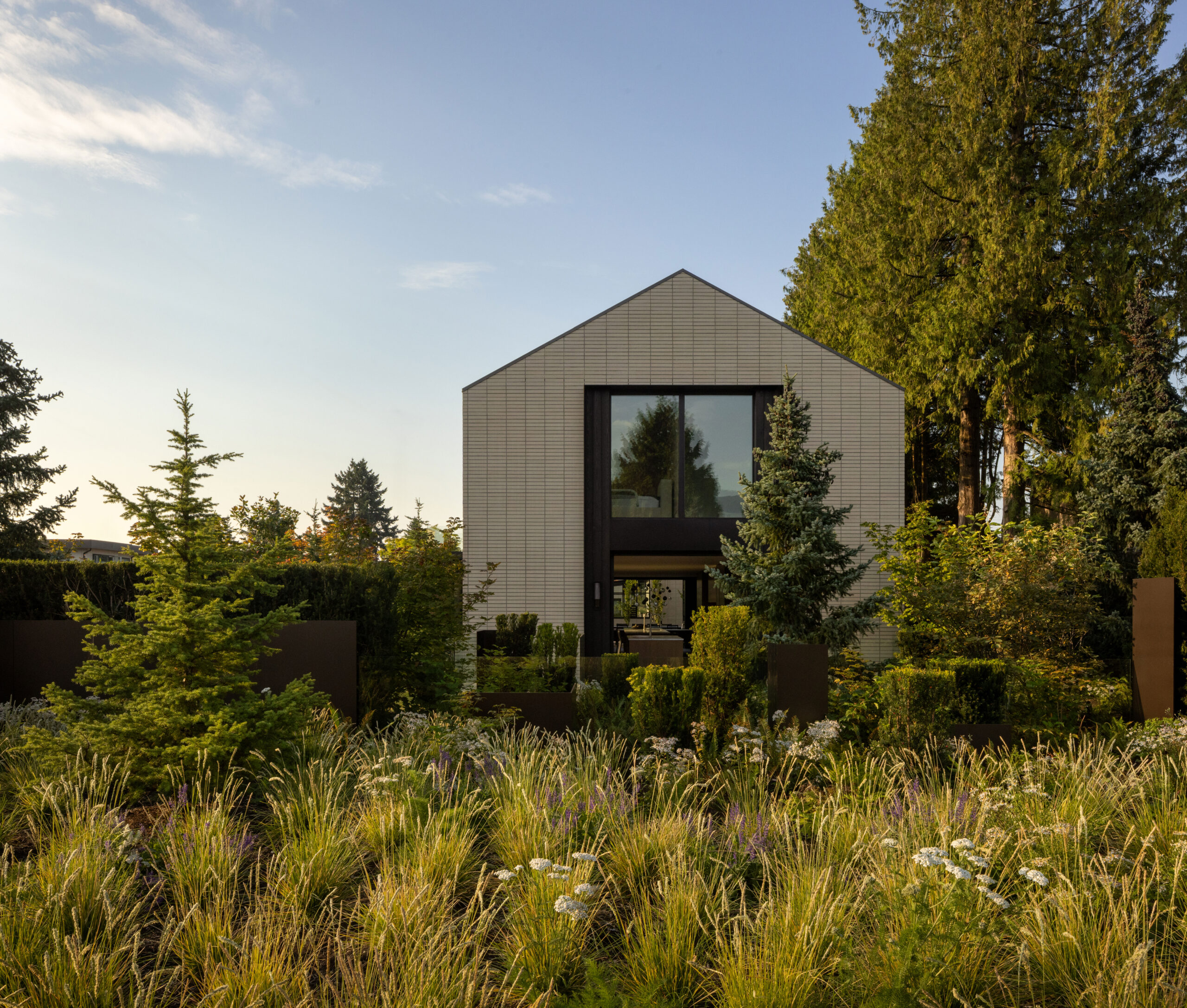
Our planting work is grounded in regional intelligence. Native and regionally appropriate plants form the backbone of most schemes because they are the most resilient choice for the climate, the most supportive of local birds and pollinators, and the most likely to age into the landscape rather than fight it. Where introduced plants belong, they are chosen with the same care: for how they perform across seasons, how they respond to Pacific Northwest soils and rainfall, and how they hold their shape over years.
Every garden begins with a careful site reading: sun and shade through the day, prevailing wind, soil type, drainage patterns, existing trees worth preserving, the views worth framing, and the views worth screening. This work directly shapes the planting plan rather than informing it from a distance. A garden designed without this reading will fight the site for years; a garden designed from it settles into the property within a few seasons.
Pacific Northwest natives, vine maple, sword fern, Pacific rhododendron, salal, mahonia, red-flowering currant, Oregon grape, douglas fir, western red cedar, form a language that belongs to the region. They support local wildlife, tolerate the climate, and root the garden in its place. We layer native plants with thoughtfully chosen ornamentals where the design benefits from broader range, evaluating each introduction against site conditions and long-term care.
Pacific Northwest gardens are seen year-round, often through interior glazing during the long winter. We design for four-season interest by composing across spring flowering, summer foliage, fall color, and winter structure. Evergreen layers carry the garden through the gray months. Deciduous accents bring movement and seasonal change. Bark, stem color, and seed heads matter as much as bloom.
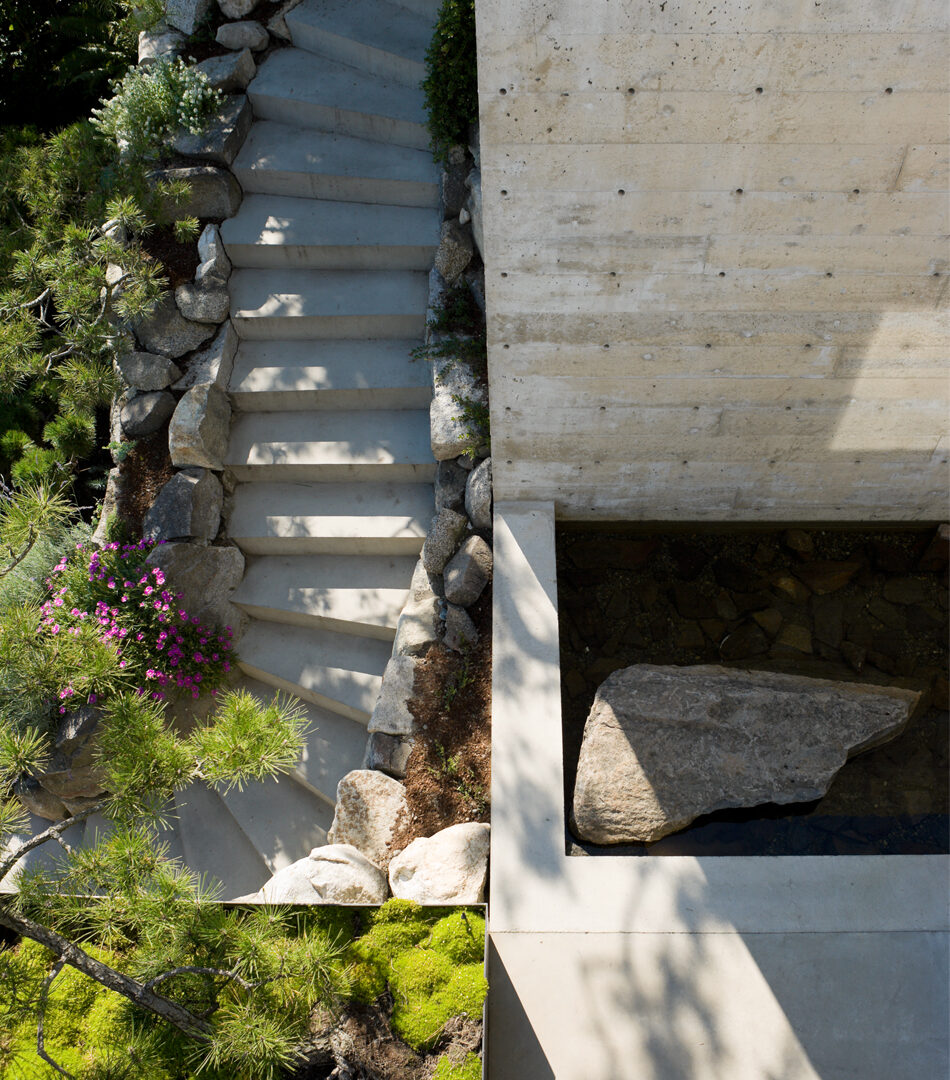
Many Pacific Northwest properties present specific conditions, hillside slopes, high water tables, deep shade beneath mature trees, exposed coastal sites, that ask for tailored solutions. Hillside planting controls erosion and frames terraced views. Rain garden detailing manages stormwater on flat or wet sites. Deep-shade plant palettes thrive where lawn never will. We design for these conditions rather than against them.
Planting and hardscape develop together. Stone, concrete, gravel, paths, and walls are detailed alongside the planting plan so transitions feel intentional rather than expedient. Where a low retaining wall meets a planting bed, the wall’s cap, the soil grade, and the plant scale are all decided as one move. Integration of soft and hard is what separates a garden from a planted yard.
As early as possible. The most coherent gardens are designed in parallel with the architecture and hardscape, which means starting during schematic design. Bringing garden design in late narrows the conversation considerably and often results in planting added around finished hardscape rather than integrated with it.
Most of our schemes are anchored in Pacific Northwest natives because they are the most resilient and ecologically supportive choice. Where the design benefits from carefully chosen ornamentals, we layer those in with attention to performance, longevity, and care requirements. The right balance depends on the site, the climate of the specific location, and the household’s interest in maintenance.
It depends on the design. A naturalistic native scheme settled into the right site can require relatively modest seasonal care. A more formal garden with clipped hedges, structured beds, or extensive ornamental plantings asks for more attention. We design with maintenance level as a real input rather than as an afterthought, and we discuss maintenance honestly during early planning.
Yes. Garden design as a standalone or paired with a remodel is meaningful work. Existing trees, established beds, and the architecture of the existing home all factor into the design rather than being cleared and started over. Honest assessment of what is worth keeping and what is worth changing is part of the early conversation.
Pacific Northwest gardens are seeing warmer summers and more intermittent dry periods. Native plants tend to handle these conditions well because they evolved with the regional climate. We also incorporate drought-tolerant selections, water-conscious irrigation, and resilient site planning to support gardens that will hold up as conditions continue to shift.
Garret Cord Werner is a full-service architecture and interior design firm founded in 1996, with deep roots in Pacific Northwest construction and a long history of integrating architecture, interiors, and landscape into a single vision. Our studio designs and produces custom furnishings, lighting, and hand-woven rugs to complete each home with continuity from envelope to interior.
If you are planning a new garden, a landscape integrated with a new home or remodel, or a renewal of an existing garden, we would welcome a conversation.


