 ×
×
March 6, 2026
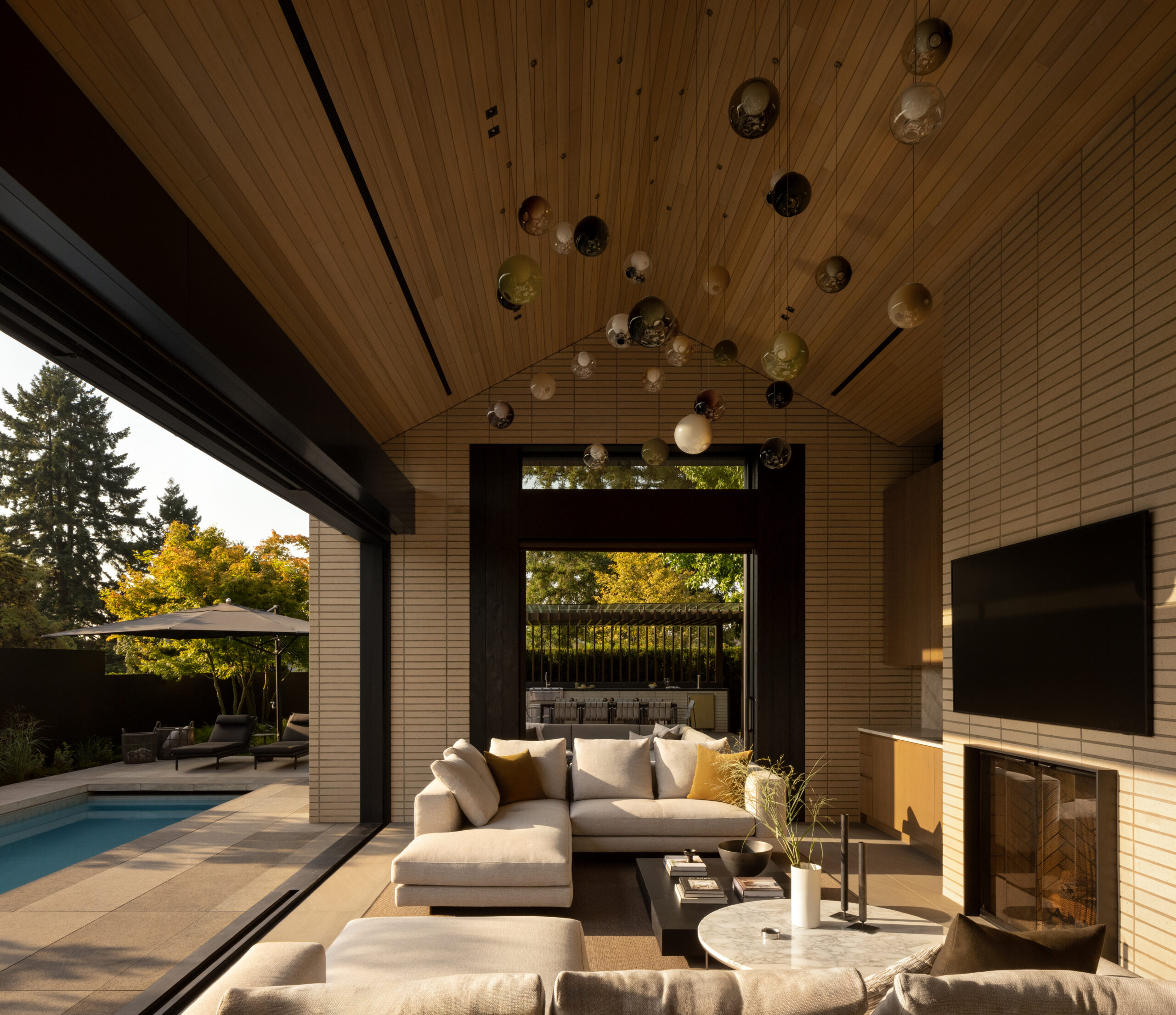
There is a certain quality of light in a well-considered room that makes you want to stay. The surfaces are calm. The proportions feel right. Nothing competes for attention, and yet the space is far from empty. It is full of warmth, texture, and quiet intention. This is the promise of warm minimalist home design, and when it is done well, the result is a home that feels both serene and deeply livable.
Warm minimalism has moved well beyond a passing aesthetic. It represents a fundamental shift in how people think about their homes. Rather than filling rooms with objects, homeowners are choosing fewer, richer elements and placing greater emphasis on how a space feels over how it photographs. The approach pairs a minimalist aesthetic with rich materials, natural light, and a tactile quality that traditional minimalism often lacked. For those building or renovating a residence, the distinction matters: true warmth in a minimal home is not achieved through styling alone. It begins with the architecture itself.
What Warm Minimalist Home Design Actually Means
At its core, warm minimalism is a design philosophy built on restraint and sensory richness. It takes the clarity and intentionality of minimalism and softens it with natural materials, layered textures, and a color palette drawn from the earth. The goal is simplicity with comfort, where every surface, material, and object earns its place.
The distinction from conventional minimalism is significant. Where traditional minimal interiors can feel austere, even clinical, warm minimalism invites inhabitation. Walls finished in limewash plaster shift with the light. Wide-plank oak floors develop patina over years. Linen, wool, and leather replace hard edges with a tactile depth that rewards the hand as much as the eye. This is a timeless approach to interior design rooted in how people actually live, not how spaces look in a single frame.
The philosophy also carries an inherent sustainability. Fewer possessions of higher quality. Materials chosen for durability and honest aging rather than disposability. Spaces designed around daily rituals rather than consumption. In this sense, warm minimalism is less a trend and more a return to something essential about the relationship between people and the environments they inhabit.
Why Warm Minimalism Starts with Architecture
Most conversations about warm minimalist home interior design focus on furnishings, paint colors, and accessories. These elements matter, but they are surface-level interventions. The warmth people respond to most powerfully in a minimal space comes from deeper architectural decisions, the ones made long before a sofa is selected or a rug is placed.
Consider how natural light enters a room. A south-facing clerestory window washes a plaster wall with a slow, warm glow that shifts from morning through evening. No lamp or bulb selection can replicate this quality. The ceiling height, the proportion of a room, the depth of a window reveal, the way a corridor compresses before opening into a generous living space: these spatial moves create emotional warmth through the body’s instinctive response to proportion and light.
This is why an integrated design-build process matters so much for warm minimalism. When architecture, interiors, and landscape are developed together from the earliest sketch, the result is a home where warmth is structural rather than decorative. The oak flooring that runs from hallway to kitchen to covered terrace is not an interior decision layered onto a finished shell. It is an architectural move planned from the outset, with species, grain, and finish specified as part of the whole.
1. Proportion and Volume
In warm minimalist homes, rooms tend toward generous proportions without excess. A living area with a nine-and-a-half-foot ceiling and carefully placed windows can feel expansive and intimate at the same time. The key is restraint in volume. Vaulted ceilings suit certain rooms, but warm minimalism often favors a measured scale that wraps around the occupant rather than dwarfing them. Lowered soffits over a reading nook, a slightly compressed entry that opens to a light-filled great room: these transitions create rhythm and emotional variety within a calm overall envelope.
2. Natural Light as the Foundation
Light is arguably the single most important material in warm minimalist home design. The orientation of a home on its site determines which rooms receive morning sun and which benefit from softer, diffused northern light. Skylights and light wells bring warmth into interior corridors that might otherwise rely entirely on artificial fixtures. Deep window reveals create a play of shadow and highlight along plastered walls, adding visual richness without any added object.
The quality of glass matters too. Low-iron glass transmits light with less of a green tint, allowing warmer tones to pass through unaltered. In spaces where floor-to-ceiling glazing meets honed stone flooring, the result is a room that seems to glow from within, particularly during the golden-hour light that gives warm minimalism its emotional signature.
A Minimalist Aesthetic with Rich Materials
Materials are the vocabulary of warm minimalism. The palette is deliberately restrained, typically three to five materials carried throughout the home, but each selection is made with care for texture, aging, origin, and how it interacts with light and touch.
1. Wood
Wood grounds a warm minimalist interior like almost nothing else. White oak is a perennial choice for its tonal warmth and durability, but the finish and cut matter as much as the species. Rift-sawn boards offer a linear, quiet grain that supports a minimal aesthetic. A matte, natural oil finish ages gracefully and allows the wood to breathe, developing a richer tone over decades. In contrast, a high-gloss polyurethane finish on the same species can feel cold and synthetic, undermining the very warmth it was meant to provide.
Beyond flooring, wood appears as ceiling cladding, built-in shelving, stair treads shaped for the foot, and custom furniture scaled precisely for the room. When these elements share a species and finish with the architecture, the interior reads as one continuous, cohesive experience.
2. Stone and Plaster
Honed limestone, travertine, and basalt bring a mineral weight to interiors. The honed finish is essential: polished stone reflects light sharply and reads as formal, while a honed or leathered surface absorbs and diffuses light, creating the quiet, matte quality warm minimalism depends on. Plaster, particularly limewash and clay-based finishes, adds a hand-applied texture that no painted drywall can match. These surfaces breathe, respond to humidity, and shift subtly with the angle of light. They reward close looking without demanding attention.
3. Textiles
In a space with fewer objects, each textile carries more weight. Linen in a natural flax tone. Bouclé upholstery with a soft, irregular surface. A hand-woven wool rug with a low pile and quiet tonal variation. Leather that softens and darkens with use. These materials provide comfort and acoustic warmth, absorbing sound in rooms where hard surfaces might otherwise create an echo that feels stark. The discipline of craftsmanship in modern architecture often extends to how textiles are selected and integrated, with custom pieces conceived alongside the architecture rather than sourced as afterthoughts.
Adding Warmth Through Texture and Tone
Color in warm minimalist interiors operates differently than in other design approaches. The palette is restrained but never monochromatic. Instead, warmth comes from layering closely related tones drawn from natural materials and the surrounding landscape.
A base of warm whites, creams, and soft taupes sets a calm foundation. These are not stark, blue-white tones but warmer hues with undertones of ochre, clay, or sand. From this base, mid-tones of warm gray, putty, soft brown, and muted sage add depth without contrast that disrupts the calm. Accents, used sparingly, draw from the deeper end of the natural spectrum: umber, charcoal, terracotta, or deep olive. The effect resembles the tonal range found in a landscape at dusk: varied, harmonious, and quietly complex.
Texture does most of the visual work that pattern handles in other styles. Where a maximalist room might rely on a bold wallpaper or printed fabric, a warm minimalist room creates visual interest through the interplay of rough and smooth, matte and soft-sheen, woven and cast. A fluted concrete fireplace surround next to a smooth plaster wall. A rift-sawn oak shelf against honed limestone. A hand-thrown ceramic vessel on a leather-topped console. These juxtapositions are subtle, but they give a room its character and prevent the space from feeling flat or monotonous.
Decluttering for Elegance: The Discipline of Less
Warm minimalism requires a different relationship with possessions. It is not about an empty room. It is about a room where everything present has been considered and nothing is filler. This is decluttering for elegance rather than austerity.
The architectural response to this philosophy is built-in millwork that absorbs the clutter of daily life. Floor-to-ceiling cabinetry with push-latch hardware keeps coats, shoes, and everyday objects behind a calm, flush surface. A kitchen with concealed appliance garages and paneled refrigeration reads as a serene composition of wood and stone rather than a gallery of branded equipment. A bathroom with recessed niches in tiled walls eliminates the need for freestanding shelving.
These are architectural decisions, not styling choices. They require planning during the design phase, precise dimensioning during documentation, and skilled execution during construction. The payoff is a home where tidiness is not a daily chore but a natural consequence of the design itself. For clients who value functional minimal interiors, this kind of integrated storage design often becomes one of the most appreciated elements of the finished home.
Indoor-Outdoor Connection in Warm Minimalist Homes
Warm minimalist home design achieves its fullest expression when the boundary between interior and landscape softens. A sliding glass wall that pockets into the structure erases the threshold between a living room and a covered terrace. Stone flooring that continues from inside to outside blurs the line further. The landscape becomes part of the room, and the room becomes part of the garden.
This kind of indoor-outdoor living design requires the architecture, interiors, and landscape to be developed together. The floor level, the paving material, the relationship between an interior ceiling plane and an exterior soffit, even the placement of a shade tree to filter western sun: these decisions connect disciplines that are often siloed. When they align, the result is a home where warmth extends far beyond the walls.
In the Pacific Northwest and along the western coast of North America, where mild climates and dramatic natural settings are common, this integration becomes especially powerful. A courtyard garden framed by glass walls brings nature into the daily experience of every room. Covered outdoor rooms extend living space without climate control. The landscape itself provides the texture and color that the interior maintains through its material palette.
Achieving Luxury with Less
There is a growing recognition among homeowners building or renovating at a high level that luxury is not measured by volume. The bespoke furniture market alone has grown to approximately thirty-five billion dollars globally, driven by clients who increasingly value one-of-a-kind craftsmanship over mass-produced abundance. Warm minimalism aligns naturally with this shift. It is achieving luxury with less: fewer rooms, each more considered. Fewer furnishings, each more finely made. Fewer finishes, each more honestly expressed.
A custom dining table in solid walnut, scaled to the room and shaped by a craftsperson who understands both the grain of the wood and the architecture it sits within, is more luxurious than any gilded alternative. A hand-woven rug with dyed wool matched to the plaster tone of the walls brings a completeness that no catalog purchase can replicate. A bespoke pendant light designed to cast a warm, diffused glow at exactly the right height above a kitchen island becomes part of the architecture rather than an accessory bolted to it.
This is the realm where interiors become an extension of architecture. Furnishings, lighting, rugs, and curated art are conceived with the makers who bring them to life, so the detail of each piece relates to the larger expression. The result is a home that feels inevitable rather than assembled.
Sustainability as a Natural Companion
Warm minimalism and sustainable design share a philosophical foundation. Both value longevity over disposability, natural materials over synthetic alternatives, and considered intention over excess. When a home is designed with fewer, better materials, oriented to maximize daylight and natural ventilation, and built with the kind of care that encourages decades of use rather than cycles of renovation, sustainability is embedded rather than added on.
Passive design strategies, including careful site orientation, high-performance building envelopes, and natural cross-ventilation, reduce a home’s energy demand while creating the kind of light-filled, thermally comfortable interior that warm minimalism depends on. Interior designers across the industry have noted that warm minimalism is among the most enduring style directions for residential design precisely because it prioritizes material integrity and longevity over seasonal novelty.
Materials like FSC-certified timber, regionally sourced stone, and low-VOC plaster finishes serve both the aesthetic and the environmental goals simultaneously. Healthy materials create healthy interiors. Durable materials reduce replacement cycles. Honest materials age well. In a warm minimalist home, these choices are not compromises; they are the design itself.
Warm Minimalism Room by Room
1. Living Spaces
The living room in a warm minimalist home is organized around light, proportion, and a few essential furnishings. A low-profile sofa in a textural neutral fabric anchors the room. A single coffee table in solid wood or stone provides a surface without visual clutter. Seating is arranged to support conversation and to orient toward the strongest natural light or a framed view. Built-in shelving, if present, holds a small number of objects with generous space between them. The fireplace, whether a linear gas insert or a masonry hearth, serves as a focal point without ornamentation.
2. Kitchens
Warm minimalist kitchens rely on material continuity and concealment. Flat-panel or slab-front cabinetry in a natural wood or matte lacquer finishes the room with calm surfaces. Countertops in honed stone or engineered quartz with a matte texture avoid the reflective quality that disrupts a minimal aesthetic. Open shelving, if used, holds a curated selection of everyday ceramics and glassware rather than a full collection. Integrated appliances behind panel-matched doors keep the visual field uninterrupted.
3. Bedrooms
Comfort is paramount. A low platform bed in solid wood, dressed in linen bedding with a natural weight and drape, centers the room. Bedside surfaces are simple: a floating shelf or a single table in a complementary material. Window treatments filter light gently rather than blocking it entirely, with sheer linen curtains or motorized shades concealed in a ceiling pocket. The palette is the softest in the home, leaning toward warm whites and the palest natural tones.
4. Bathrooms
Warm minimalist bathrooms feel like quiet retreats. A freestanding tub in a natural stone or matte composite material becomes a sculptural element. Vanities in solid wood with vessel sinks in honed stone or ceramic bring the material palette into a utilitarian space. Large-format wall tiles in a honed finish reduce grout lines and create expansive, calm surfaces. Recessed niches replace freestanding shelving. Heated stone flooring underfoot adds an invisible layer of comfort that reinforces the warm in warm minimalism.
The Process Behind the Result
A warm minimalist home that feels effortless is, almost without exception, the product of a disciplined process. Programming establishes the client’s daily patterns and spatial needs. Schematic design explores how rooms relate to each other, to the site, and to the movement of light. Material selection happens early, tested in physical samples against the actual light conditions of the site. Detailing addresses how surfaces meet, how transitions read, and where built-in elements support the calm that warm minimalism requires.
When architecture and interior design develop in parallel from the beginning, rooms feel cohesive rather than decorated. Thresholds blur. The grain of the wood, the tone of the plaster, and the view through the glass all belong to the same conversation. This integration is not a stylistic choice. It is a process decision that shapes the experience of the home long after the last craftsperson has left the site.
For those exploring what warm minimalist home design could look like in their own context, built work offers the clearest evidence of how these principles come together in practice. Each project tells a story about site, light, material, and the daily life it was designed to hold.
Finding the Right Approach for Your Home
Warm minimalism is not a formula. It adapts to the site, the climate, the client’s habits and preferences, and the specific qualities of the materials available. A warm minimalist home in the Pacific Northwest, surrounded by evergreen canopy and muted coastal light, will look and feel different from one in the desert Southwest or along a sun-drenched coastline. What remains consistent is the underlying discipline: start with the site and the light, develop every layer together, and let restraint and craft create a home that feels calm, precise, and deeply livable.
The most successful warm minimalist homes share a quality that is difficult to name but easy to feel. They do not shout. They do not demand admiration. They simply feel right, like a space that has always been there, waiting for you to arrive.
Designing Warm Minimalist Homes from the Ground Up
Garret Cord Werner is a full-service architecture and interior design studio that develops architecture, interiors, and landscape as a single, unified vision. Founded in 1996 and rooted in decades of hands-on building experience, the firm brings a rare depth of craft knowledge to every project, from site selection and spatial planning through custom furnishings, lighting, hand-woven rugs, and curated art.
For clients drawn to warm minimalism, this integrated approach means the material palette, the light, the proportions, and every finished detail are conceived together from the start. The result is a home where warmth is not layered on but built in. If you are planning a new home, a renovation, or a complete interior and this way of working resonates, we would welcome the opportunity to listen and explore what your project could become. Start a conversation with our team.


