 ×
×
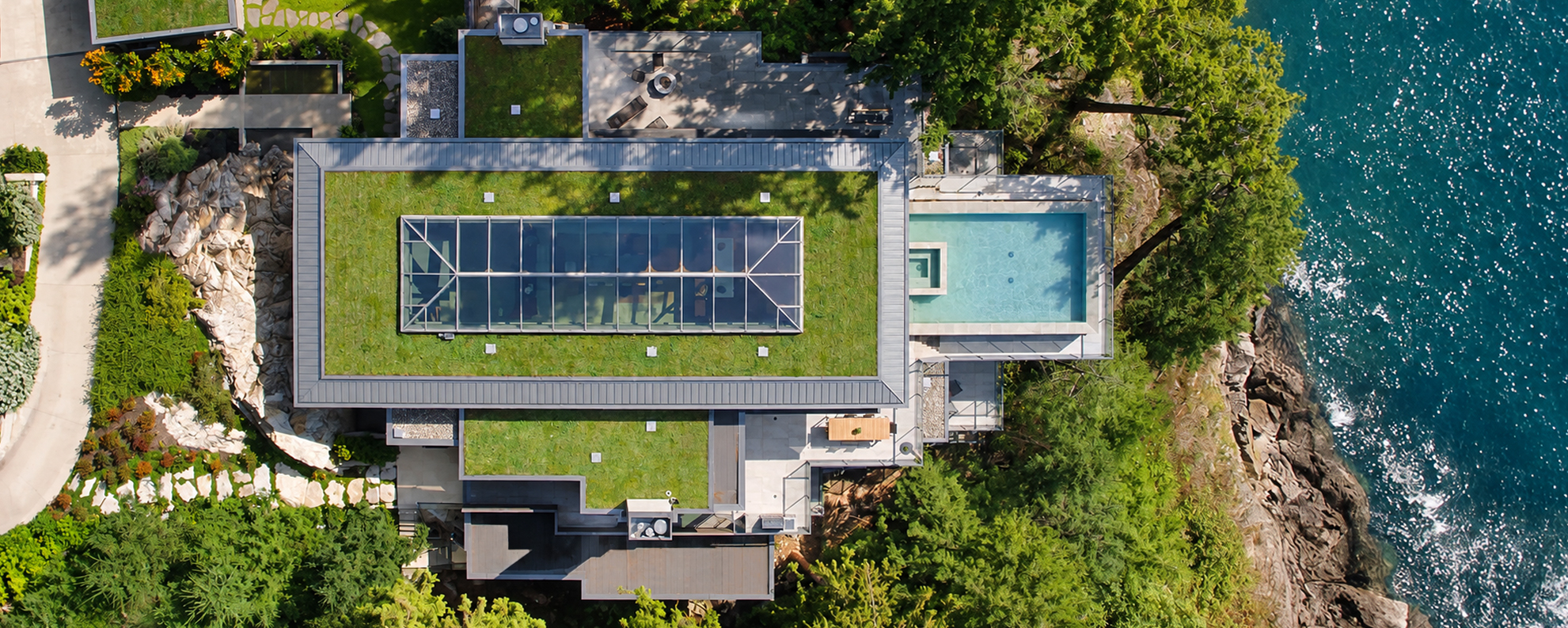
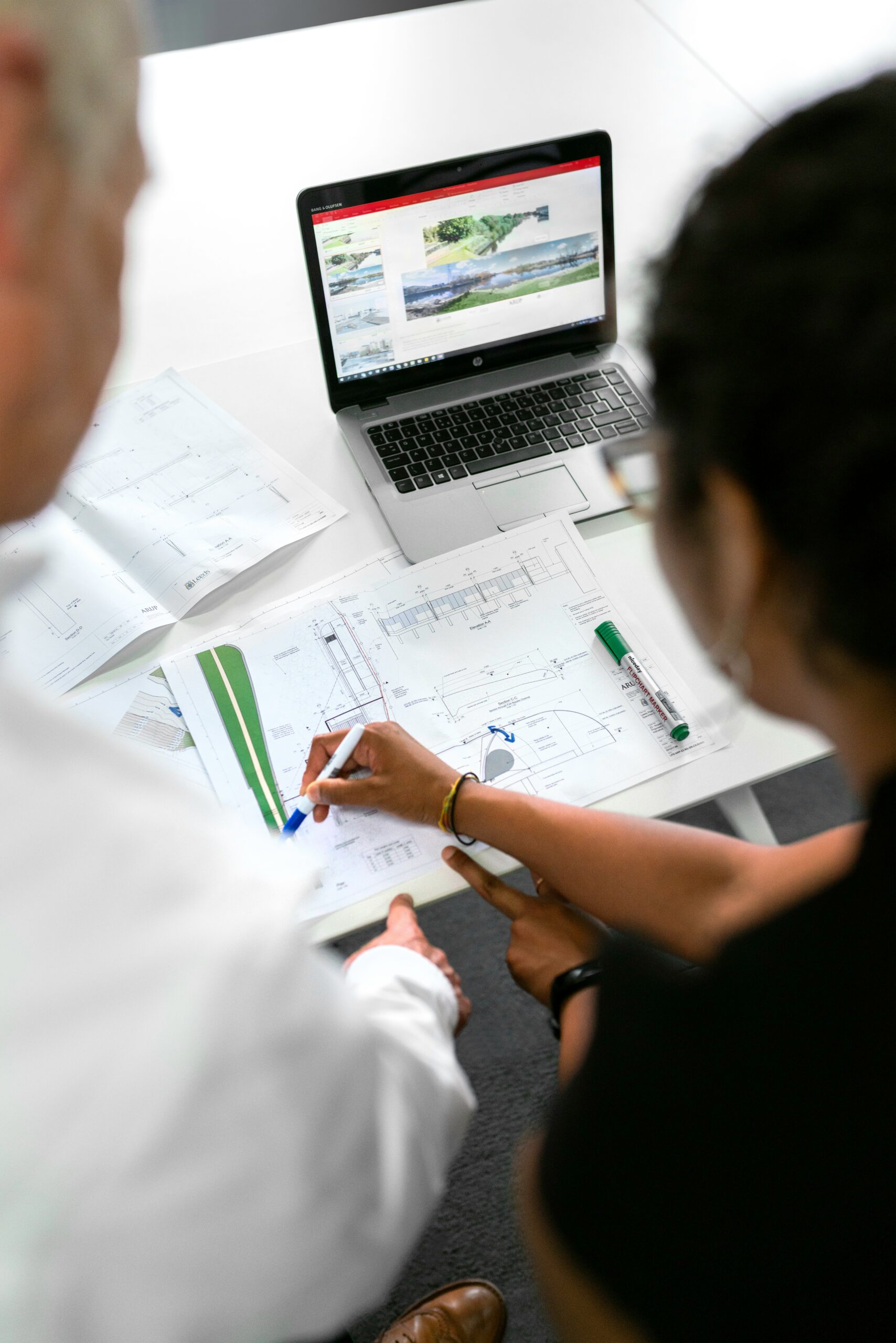
Sustainable outcomes require early and continuous collaboration. From the earliest stages of schematic design, we assemble a project team that may include energy modelers, MEP (mechanical, electrical, plumbing) engineers, landscape architects, civil engineers, sustainability consultants, and lighting designers. Each plays a critical role in shaping a home that performs as beautifully as it looks.
Working with energy consultants early allows us to conduct whole-building energy modeling, evaluate different HVAC strategies, assess window-to-wall ratios, and optimize insulation assemblies before the design is finalized. For clients pursuing electrification or net-zero targets, this analysis informs the integration of solar PV systems, battery storage, and heat pump technologies with precision.
Our MEP engineers ensure systems are scaled appropriately to the home’s envelope performance and occupancy patterns—preventing overdesign and energy waste. Landscape architects contribute to stormwater mitigation, biodiversity, and fire resilience strategies, particularly in sites with sensitive ecosystems or elevated risk.
With each of these collaborators, we adopt a systems-thinking approach: one where design decisions are evaluated not in isolation, but in terms of their impact on the broader environmental and functional performance of the home. Through shared models, regular coordination meetings, and aligned sustainability goals, we ensure the technical feasibility of each solution while maintaining the clarity and integrity of the architectural vision.
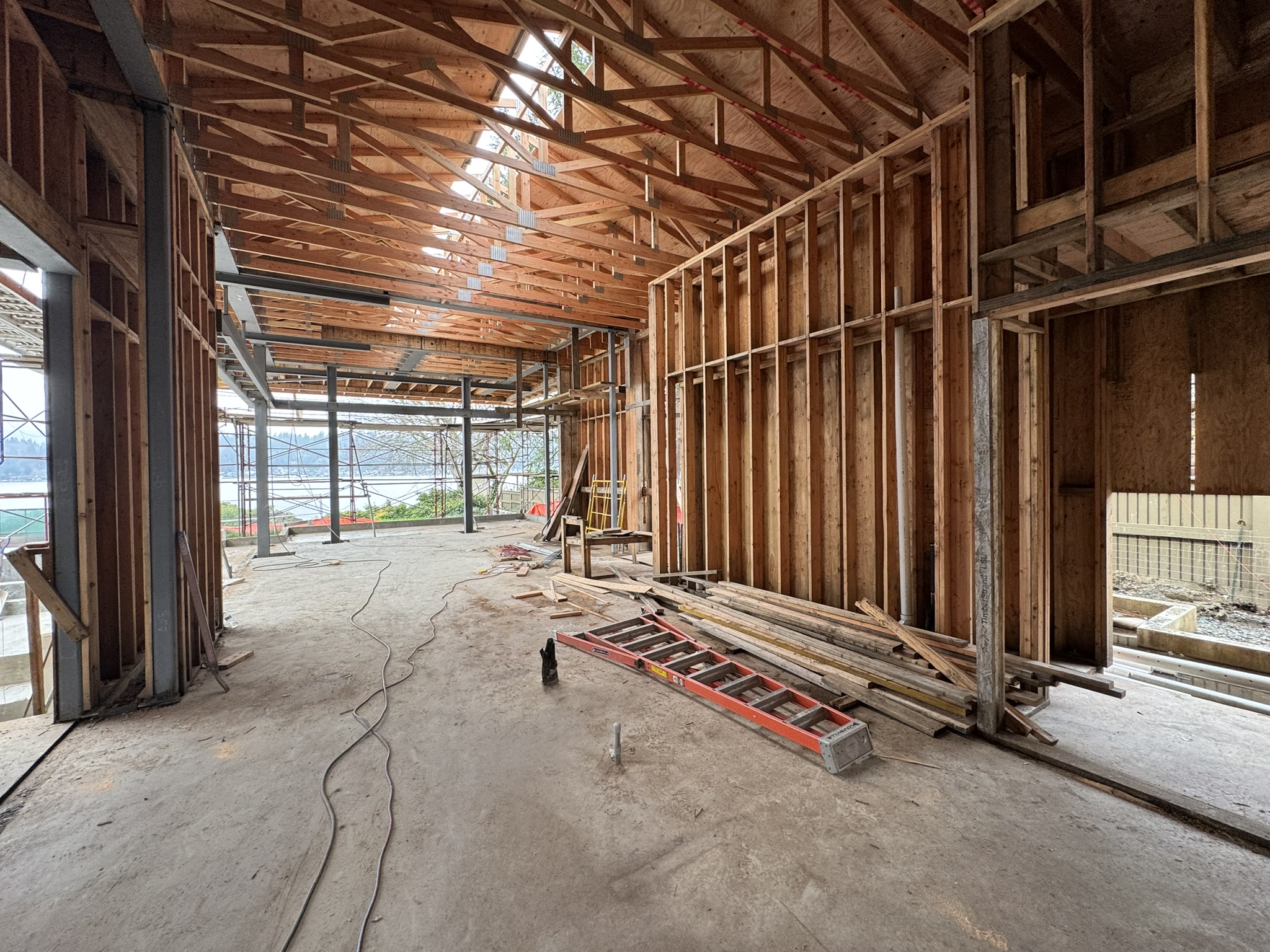
Even the most carefully considered design cannot deliver environmental performance without precision in execution. That’s why we work closely with builders throughout preconstruction and construction phases to ensure that sustainability goals are understood, respected, and implemented with fidelity.
We begin by producing detailed construction documents that clearly communicate insulation strategies, vapor barrier transitions, window installation detailing, and mechanical system layout. These documents are developed in collaboration with the design team, consultants, and contractors to ensure clarity and buildability.
During construction, we support contractors by reviewing key assemblies for thermal bridging, air barrier continuity, and moisture control. We often conduct site walkthroughs and coordinate third-party blower door tests to verify airtightness targets are being met—especially in high-performance or near–net-zero energy homes.
When green building checklists (such as LEED for Homes or Built Green) are in play, we provide documentation support, track material compliance, and coordinate with certifying bodies. We also support the contractor in sourcing low-VOC sealants and adhesives, managing construction waste diversion, and protecting installed systems from moisture or damage during the build.
By maintaining an open dialogue with builders, subcontractors, and consultants, we help ensure that every layer of the home—from foundation to finish—delivers on its sustainability promise. The result is a home that performs as beautifully as it looks: efficient, healthy, and built to last.
At Garret Cord Werner, we believe that sustainability is a continuous journey of learning, adaptation, and improvement. Looking ahead, we are committed to deepening our environmental impact by expanding the integration of embodied carbon analysis into early-phase design, allowing us to make more informed choices about materials and construction methods to reduce a project’s carbon footprint.
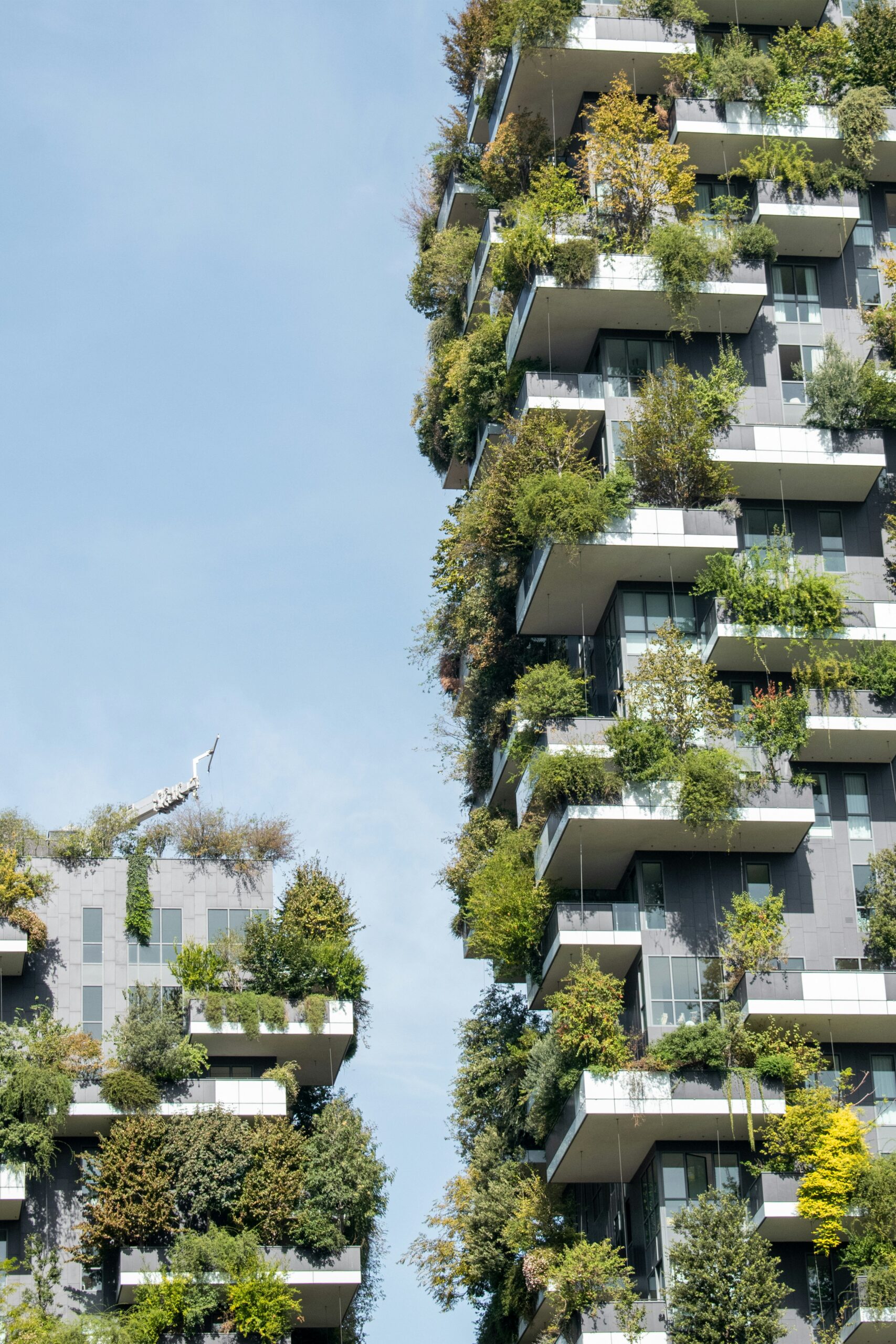
We also continue to explore regenerative design practices that go beyond reducing harm to actively restoring and enhancing natural systems. This includes integrating landscapes that support biodiversity, developing water strategies that replenish local ecosystems, and creating homes that operate at net-zero energy or better.
As building science evolves, we remain dedicated to collaborating with consultants, material innovators, and sustainability experts to ensure our work reflects the highest standards of performance, health, and environmental responsibility. Our goal is simple: to design homes that stand as enduring examples of beauty, stewardship, and design that serves both people and the planet.


