 ×
×
Hollywood Juniper trees line the pool house without a single synthetic material in sight
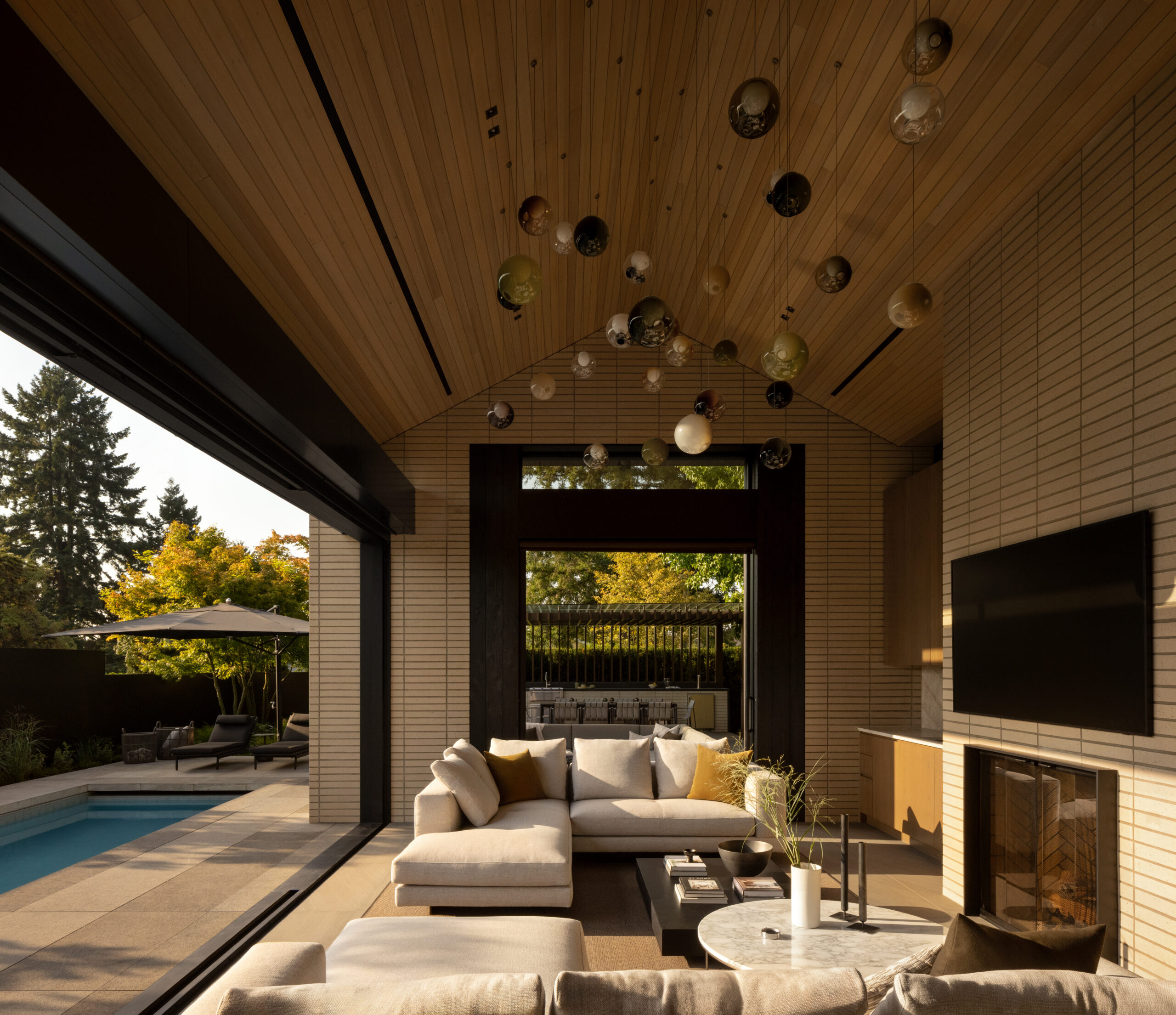
Homes as secluded as this Canadian farmhouse-style new build usually regard privacy as being of paramount importance, but here, it’s a question of balance. Created by combining two plots, this modern dwelling in Vancouver consists of a main residence, a separate pool house and a greenhouse, linked by lush contemporary landscaping. But while the garden is an idyllic retreat for the couple who owns the home, it is also a source of community connection, with corridor spaces designed to remain welcoming to the neighbours, and boulevard planting extending beyond the property lines to benefit passers-by.
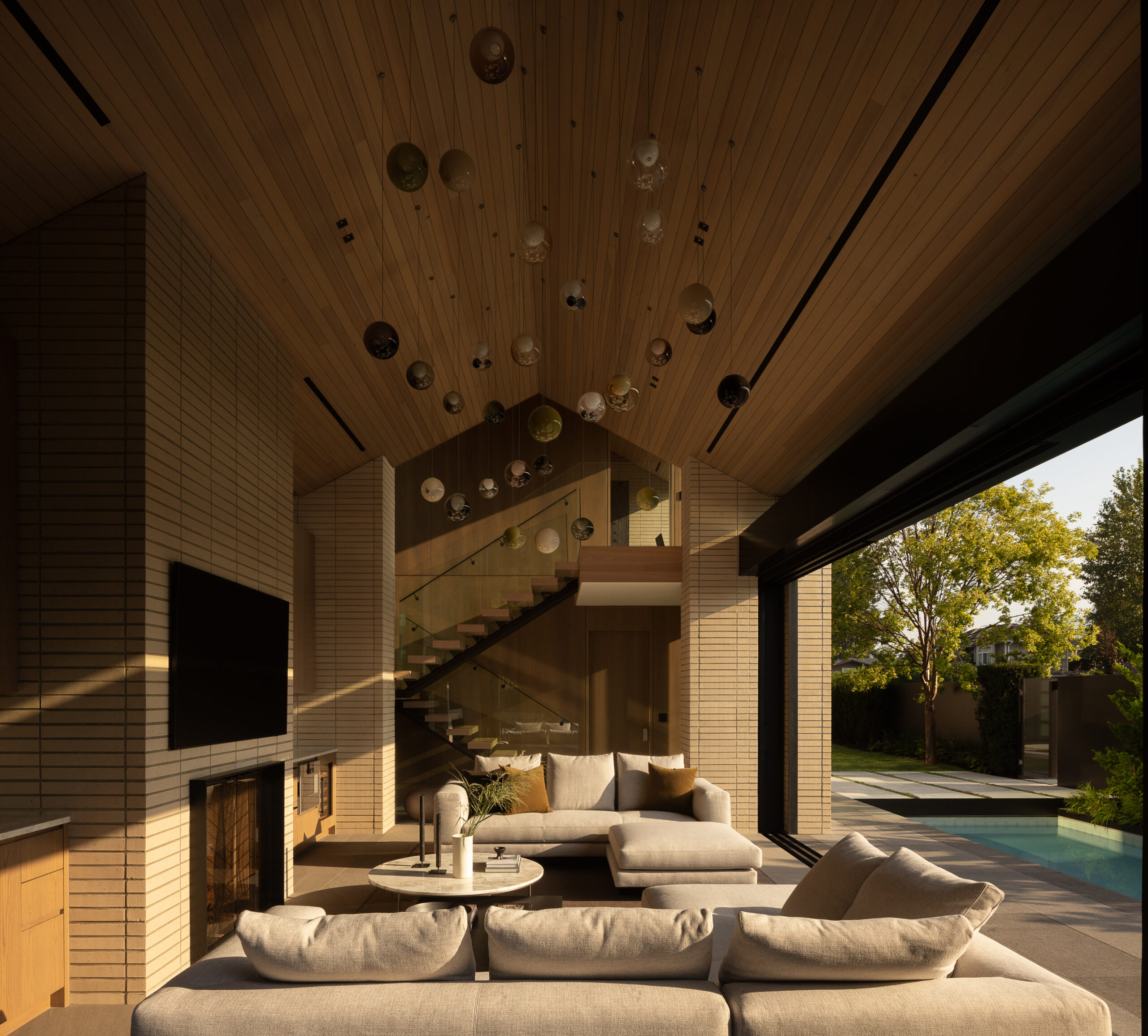
“I’m opposed to landscapes that completely block out the neighbours,” says Ryan Donohoe, founder of Donohoe Living Landscapes, who was part of the extended team behind the home’s design. “Perhaps this will inspire others who are looking to build their dream home to reconsider what can be done with two lots connected in one arrangement or another.” Donohoe’s garden design is crucial to the identity of the modern-rustic project, where outdoor spaces mirror the pared-down architecture. His design was crafted so that the landscape becomes the link between the main building and the pool house, serving both as a private sanctuary and a place to gather, and blurring the line between indoor and outdoor living.
Donohoe works with natural materials, and for the fences that border the property he chose red cedar and steel, the latter powder-coated in a metallic bronze paint to echo the home’s dark coated-steel cladding. From some angles it looks almost black, and from others light brown. “As with all of our projects, there are no synthetic materials – it’s all stone, concrete, gravel, soil, plants, wood and steel,” says Donohoe. “With the building’s beige, black and grey tones, we felt we should select an earthy colour that harmonises with them while accenting the greens of the landscape.”
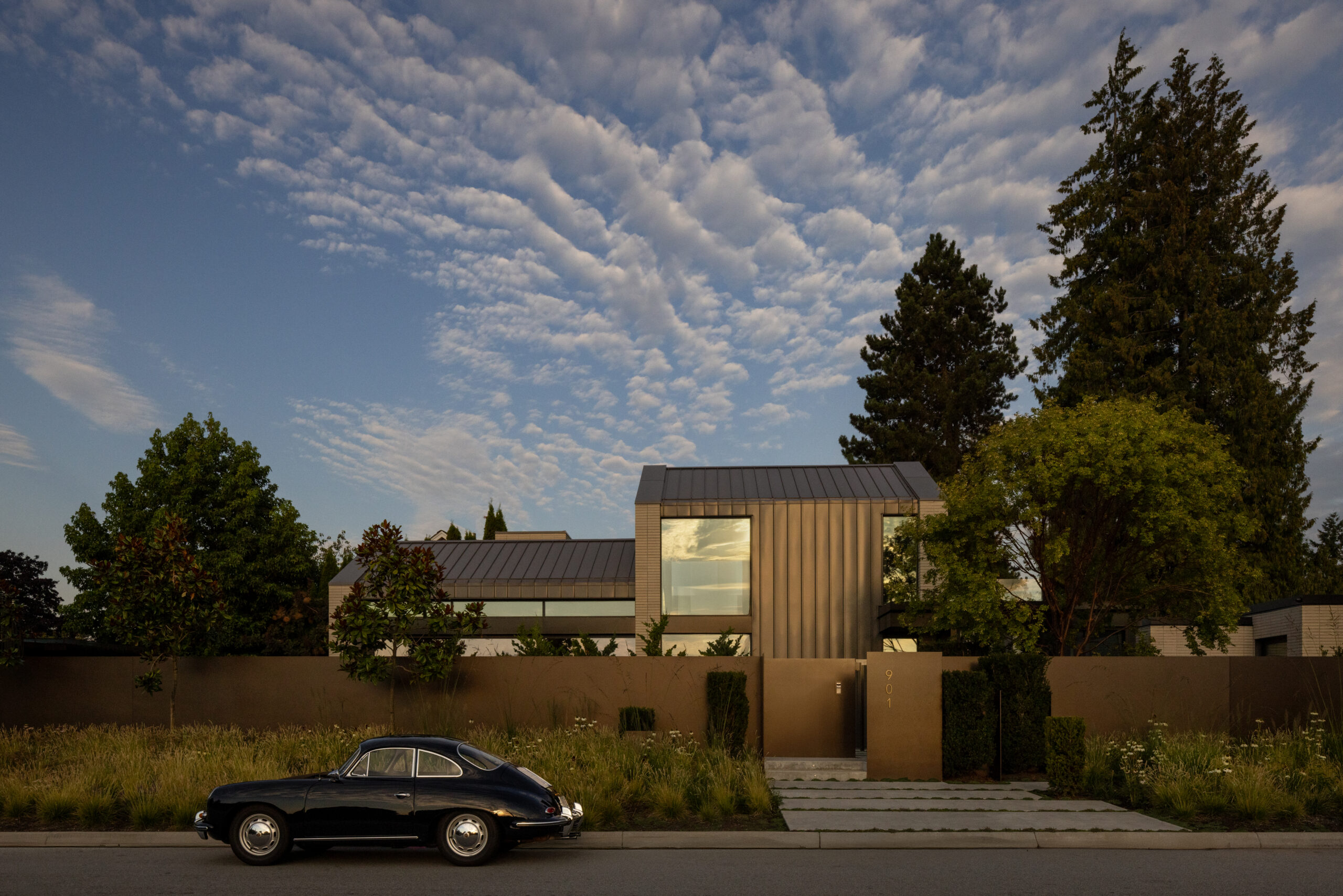
For Markus Gildemeister of Meister Construction, which built the home to a design by Seattle architects Garret Cord Werner, Donohoe’s work was the key to transforming two “fairly typical” city lots into a “sprawling West Coast-style oasis”. The home is split over three levels, with three bedrooms and two bathrooms on the top floor, a basement with a guest room and en-suite, and an open-plan living floor, arranged on a linear plan to follow the architecture. The building’s exterior, with its clean lines and pale brickwork, was inspirational for the interior designers, Jennifer Heffel and Shannon Bradner of Vancouver studio HB Design.
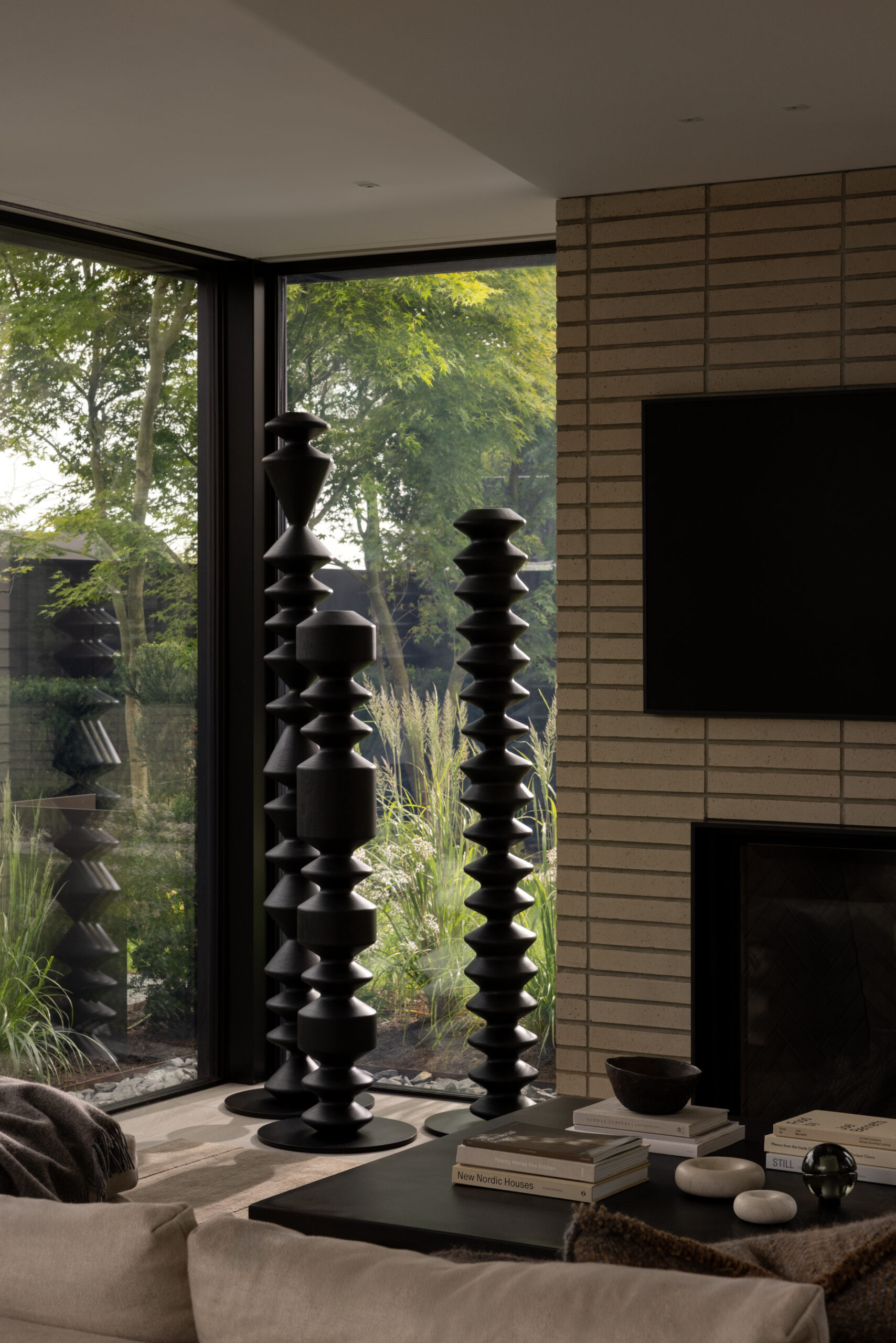
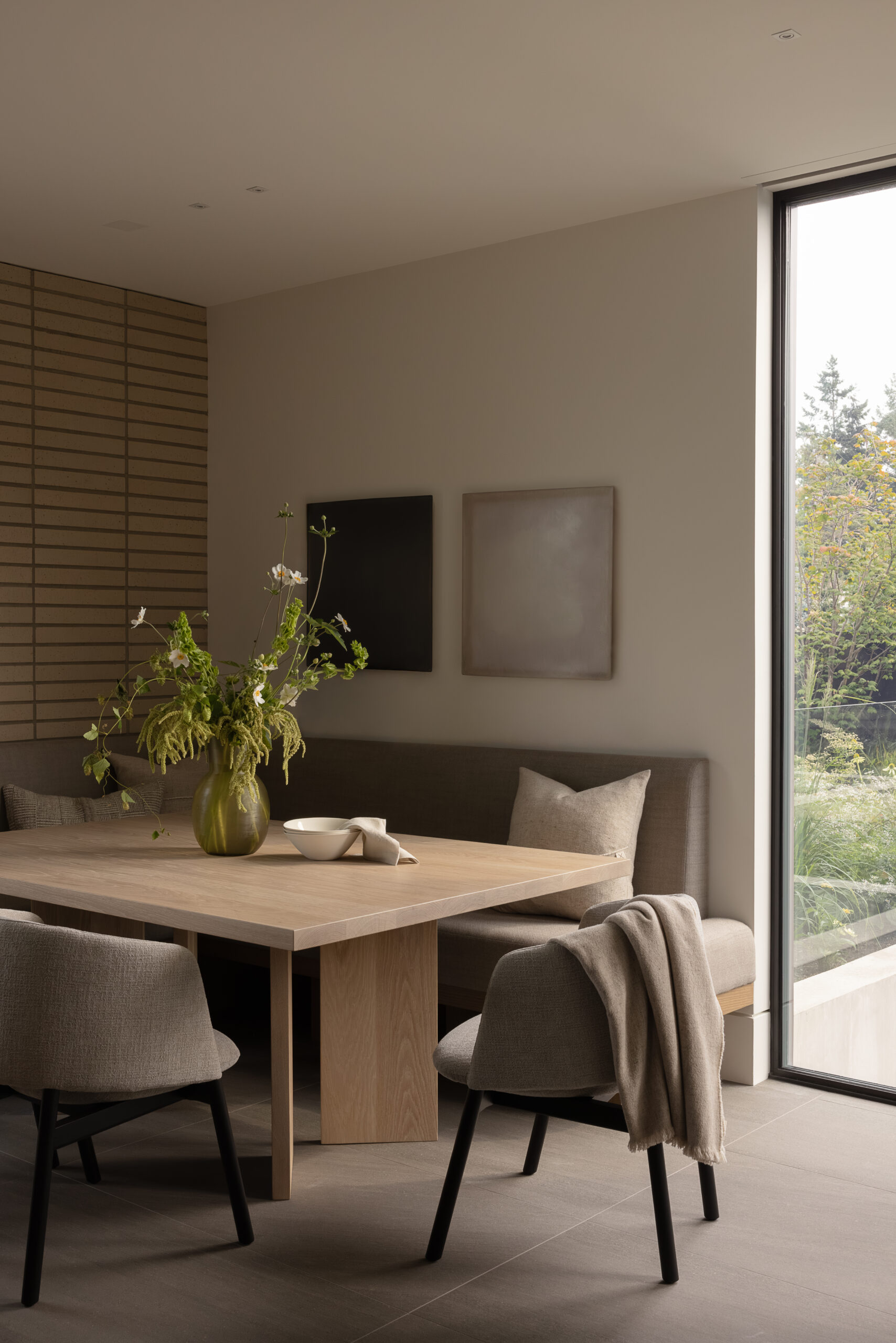
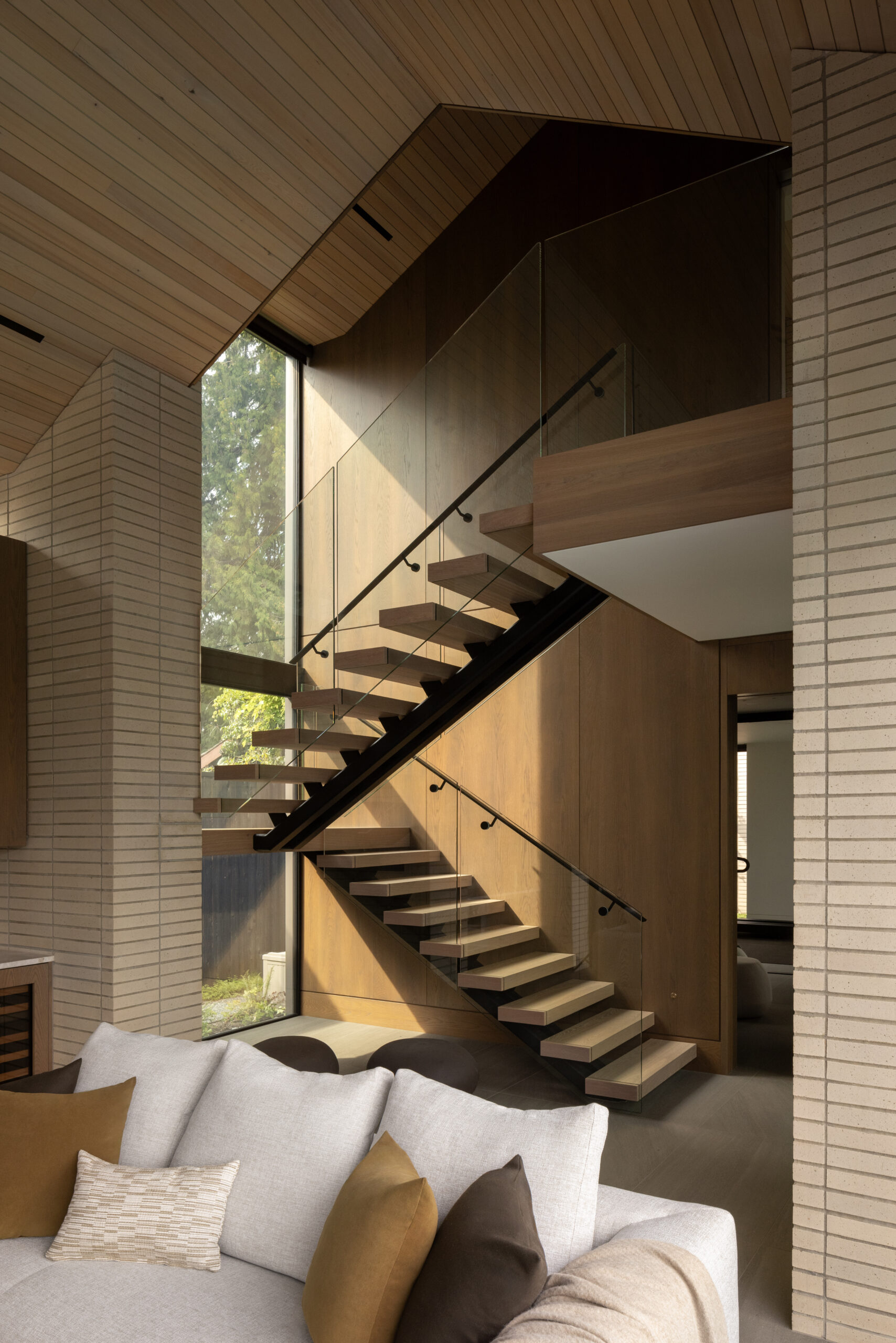
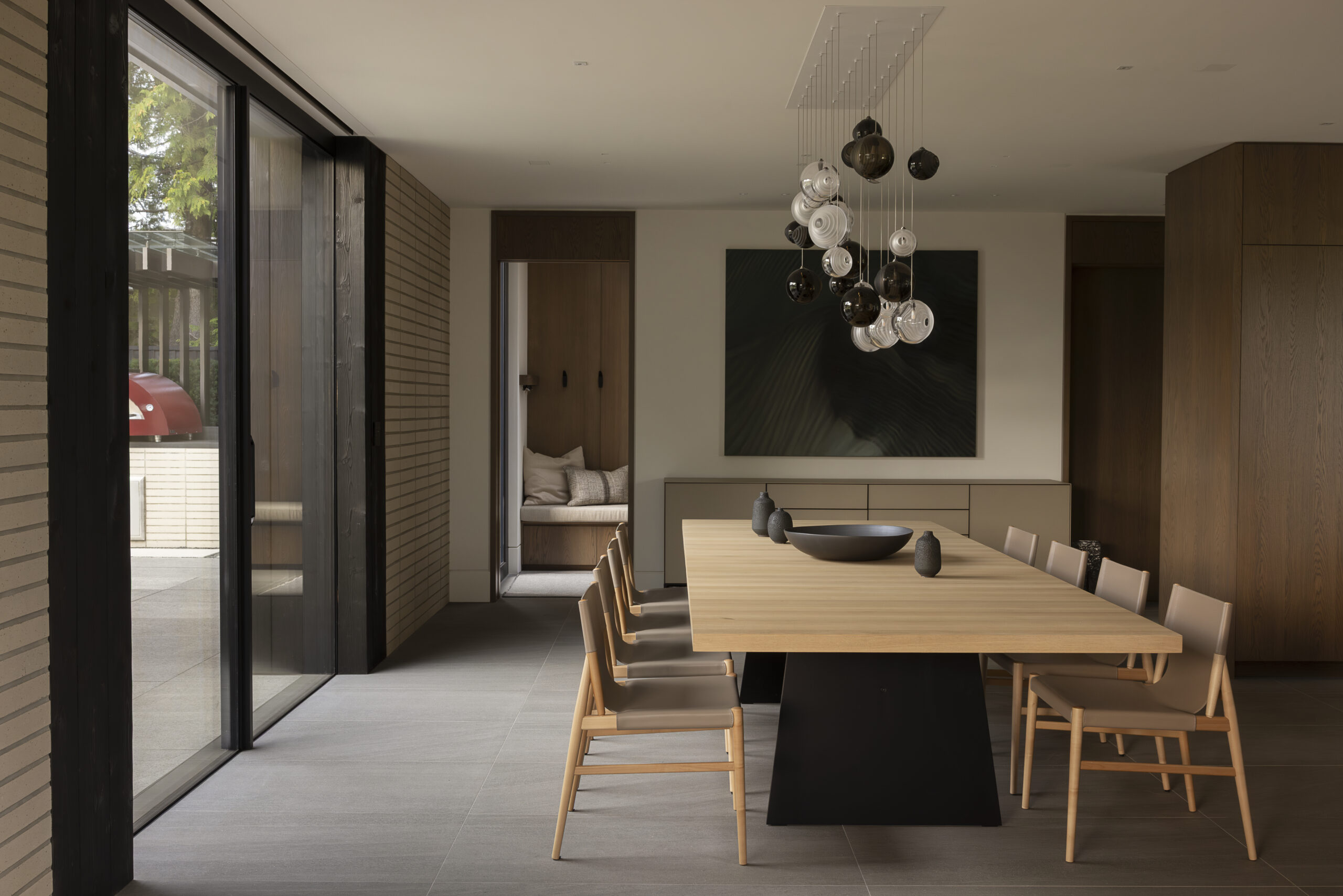
Heffel and Bradner used earthy, natural finishes such as grey porcelain floor tiles, hemlock cladding on ceilings, and white oak for the streamlined kitchen units. A thinner-cut variant of the brick on the façade was brought indoors to lend texture to walls (notably a modern fire surround), and a touch of refined luxury was introduced with quartzite, Arabescato marble and honey-toned onyx surfaces in the kitchen and bathrooms. The emphasis is on how light interacts with texture and shadow throughout the day. “What sets this house apart is the way traditional materials are reinterpreted in a contemporary manner,” says Bradner. “Brick, typically associated with weight and solidity, is balanced by expanses of glazing and slender wood slats, giving the home an airy, refined sensibility. Custom millwork integrates storage seamlessly, reducing clutter and highlighting the natural beauty of the materials.”
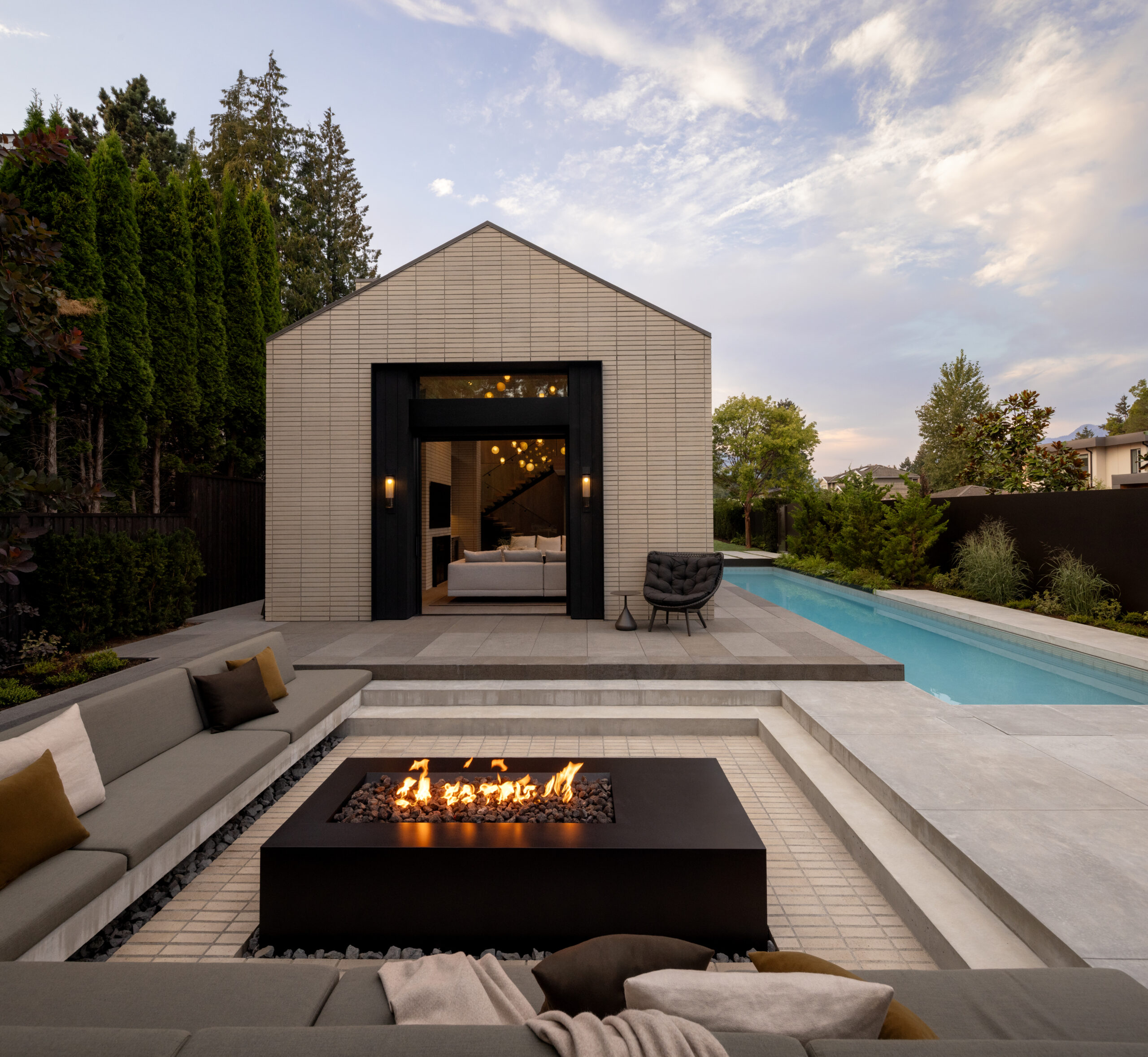
The pool house is an expansive space designed for entertaining, evoking memories of the homeowners’ former lifestyle in California. “The planting around the pool has summertime vibes, with smoke bush, Hollywood junipers, sedums, switch grasses and a canopy of Japanese maples,” explains Donohoe. “I’ve always believed that balancing hardscape and softscape is critical to achieving a connection to nature, and for ‘coming down’ from the busyness of modern living.” With views of the North Shore Mountains in the distance and passing walkers welcomed by a thriving greenhouse and vegetable planters, the Canadian farmhouse is completely at one with its surroundings.
Publication – ARCHITECTURAL DIGEST
Published – 2026


