 ×
×
February 7, 2026
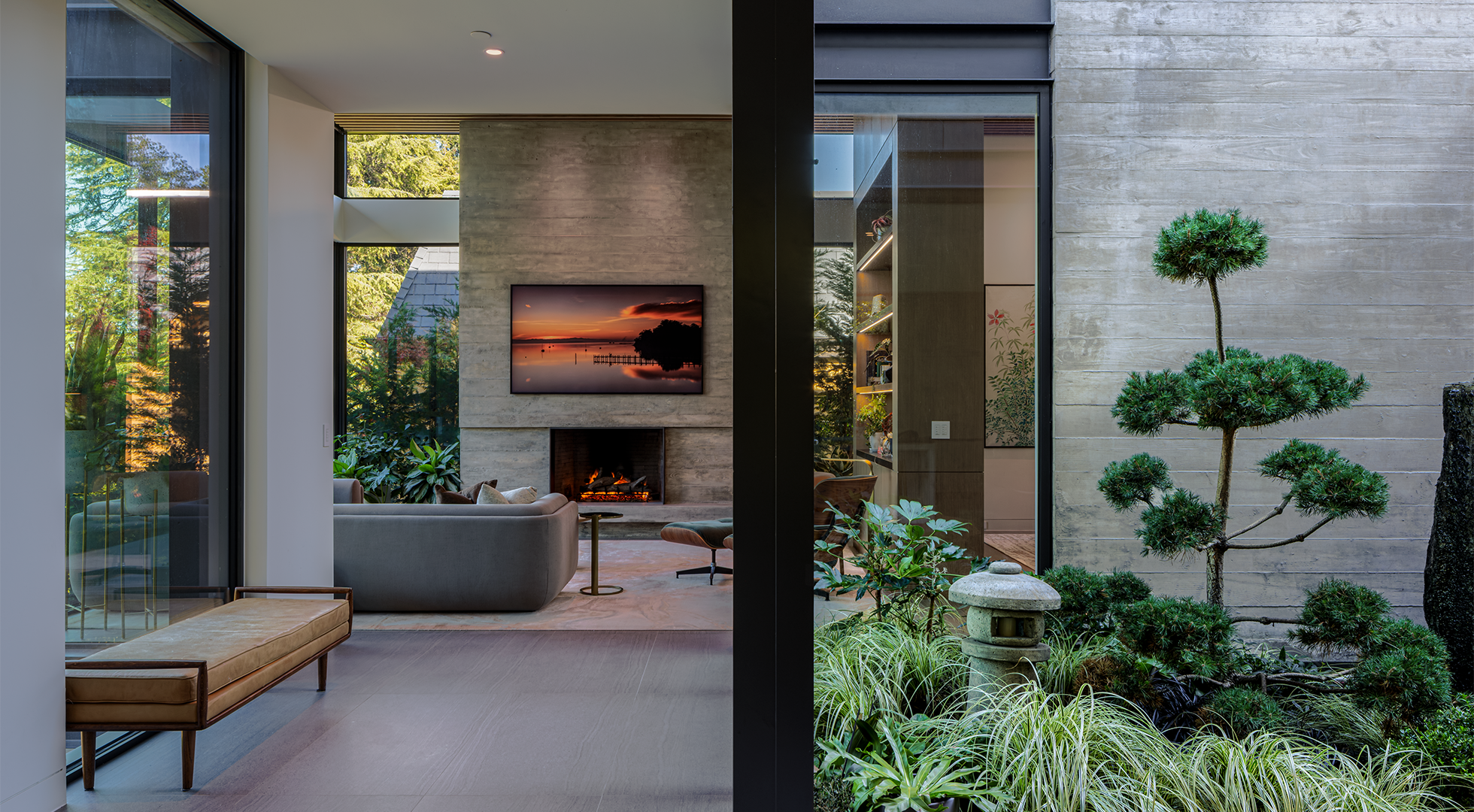
Imagine a home that not only looks beautiful but feels right in every way – multi-sensory home design is the art of achieving exactly that. It goes beyond visual aesthetics, designing for all five senses to shape spaces that are quietly comfortable, deeply livable, and emotionally resonant. In a multi-sensory home, sight, sound, touch, smell, and even taste all play a role: sunlight shifts the mood throughout the day, materials invite you to reach out and feel their texture, subtle sounds create calm, and fresh air carries inviting scents from the garden or kitchen. Designing for all five senses transforms a house into a rich sensory experience – a home that feels as good as it looks.
This holistic approach reflects our holistic design philosophy that architecture, interiors, and landscape should work as one in crafting atmosphere. Every design element – from lighting and layout to furniture and finishes – works in concert to create the magic and ambiance of a home. Homeowners today increasingly seek this kind of immersive, sensory-rich environment. In high-end residences especially, there’s a shift toward “quiet luxury” and personalized comfort over flashy displays. By engaging sight, sound, touch, and more, a well-designed home can subtly influence mood, promote relaxation, and even support well-being.
Below, we explore multisensory home design strategies for each sense and how to harmonize them. From visual design and daylighting to tactile materials, acoustics, and natural ventilation and scent, each aspect contributes to a unified sensory experience. The goal is a home that delights the eyes, soothes the ears, invites the touch, and rejuvenates the spirit – in essence, a multi-sensory sanctuary.
Visual Design: Sight, Lighting, and Spatial Flow
Our sense of sight sets the stage for all other experiences, so visual design is a natural starting point. This means thoughtful lighting, both natural and artificial, and a spatial flow that puts people at ease. Abundant natural light – or daylighting – is especially important. In luxury multi-sensory home design, daylighting is never an afterthought; it’s a primary design tool to uplift mood and highlight architectural details throughout the day. Large windows, skylights, and glass doors pull in sunshine and views of nature, blurring the boundary between indoors and outdoors. Studies have shown that ample natural light indoors can significantly improve mood and overall well-being, so designing a home to capture daylight is both aesthetic and health-conscious.
Equally important is the quality of light and how it changes from morning to evening. A layered lighting design (combining soft ambient illumination, focused task lighting, and subtle accent lights) allows the atmosphere to adapt after sundown. For instance, gentle cove lighting or dimmable lamps in the evenings can mimic the winding down of daylight, supporting our natural circadian rhythm. Spatial flow also comes into play: an open, uncluttered layout with clear sight lines makes a home feel more airy and connected. Strategic placement of mirrors or translucent materials can distribute light deeper into the interior, while aligning key living spaces with window views creates focal points that draw the eye. Visual design isn’t just about what you see – it’s about orchestrating light, color, and space so that the home’s look continuously contributes to comfort and harmony.
Touch & Texture: Materials That Encourage Tactile Interaction
A truly rich interior invites you to reach out and feel it. The sense of touch in a home comes from materials and textures – the cool smoothness of a marble countertop, the warm grain of oak flooring underfoot, the soft embrace of a cashmere throw. Thoughtful use of tactile materials and textures can make a space more inviting and human. For example, pairing contrasting textures adds depth: imagine a living room with a sleek glass coffee table atop a hand-knotted wool rug, or a bathroom that balances polished stone with natural rattan accents. The variety awakens our fingertips. We also consider temperature and patina: metal fixtures that feel solid and cool to the touch, or a leather armchair that gains a soft sheen over time, inviting you to settle in.
Using authentic, natural materials is one of the most effective strategies for tactile design. Natural wood, stone, ceramic, and textiles like linen or wool have nuanced textures that engage the senses in ways plastics or glossy laminates can’t match. A wall of hand-textured plaster or a countertop in honed granite introduces subtle irregularities that make a room feel “real” and crafted. Bespoke furnishings and finishes are invaluable here – craftsmanship brings not just visual beauty but also delightful touch. In our projects, we often incorporate custom woodwork, artisanal metalwork, or hand-woven rugs and fabrics that encourage tactile interaction and express the homeowner’s personal story. By layering soft fabrics, smooth surfaces, and raw textures, multi-sensory design ensures that a home isn’t a flat visual showroom but a rich tapestry of materials you can truly feel.
Acoustics: Quiet Zones, Sound Insulation & Background Ambiance
The best home is a place where the soundscape feels as soothing as the visuals. We shape the auditory experience through deliberate acoustic comfort strategies. First and foremost is controlling unwanted noise: a multi-sensory design considers how to keep harsh sounds out and pleasant sounds in. This might mean choosing double-glazed windows to hush street noise, using solid-core doors and thoughtful room layouts to isolate louder areas (like media rooms or laundry) from quiet zones, and integrating plenty of sound-absorbing materials. Soft textiles such as plush area rugs, heavy drapery, and upholstered furniture do double duty – they add tactile comfort and also dampen echoes and noise, creating a more peaceful background. Even architectural elements like acoustic paneling or wood slat ceilings can be designed to reduce reverberation without compromising aesthetics, yielding a calm, conversation-friendly environment.
Beyond reducing noise, a multi-sensory home design also adds layers of gentle sound where appropriate. Think of the tranquil burble of an indoor fountain in a foyer or courtyard, the crackle of a fireplace on a rainy evening, or a curated playlist of soft background music that greets you in the living room. These subtle sounds provide an auditory backdrop that can make a space feel alive and comfortable. We often design *quiet zones* in larger homes – alcoves or nooks (like a small library or window seat) purposely removed from high-traffic areas, where one can read or relax without disturbance. Likewise, outdoor living spaces can be tuned for acoustics: shielding a patio from busy streets with landscaping or a water feature helps mask urban noise with nature’s own soundtrack. By balancing insulation and invitation – quiet when you need it, life and melody when you want it – acoustic design completes the circle of a truly multi-sensory home.
Scent & Airflow: Natural Ventilation and Subtle Fragrance
Often unnoticed but deeply influential, the sense of smell is a powerful player in how we experience our homes. A breath of fresh air can literally change the atmosphere. That’s why natural ventilation and scent go hand-in-hand in multi-sensory home design. Good design maximizes fresh air flow: operable windows placed to catch cross-breezes, skylights or clerestories that vent hot air, and screened doors that let the outdoors in on a pleasant day. Inviting natural airflow not only improves indoor air quality but also carries the subtle fragrances of the environment through the home – the earthy smell of rain in the Pacific Northwest, or the floral notes from a garden just outside.
In addition to harnessing nature’s scent, we can deliberately introduce gentle fragrances to shape the home’s mood. This is always done with a light touch – the goal is a hint of aroma that feels welcoming, never overpowering. Options range from planting lavender, jasmine or rosemary near windows and entries (so their scent drifts inside) to incorporating features like a wood-burning fireplace or cedar-lined closets that lend a faint, pleasant woodsy aroma. Designers may also use natural oil diffusers or scented candles in key areas, but sparingly, to avoid chemical heavy scents. Because smell is uniquely tied to memory and emotion, these fragrance elements can make a home especially memorable – think of the cozy smell of baking bread in an open kitchen or a fresh citrus note in a sunny foyer. Above all, maintaining good airflow is essential: a multi-sensory home should never feel stuffy. By planning for ample ventilation and layering subtle scents, we ensure the air in the home “breathes” nicely – conveying freshness, comfort, and a sense of place every time you inhale.
Integrating All Senses: Harmony Through Holistic Design
Engaging sight, sound, touch, smell – and yes, even taste – in unison is the hallmark of a well-designed multi-sensory home. The true magic happens when these sensory elements complement one another seamlessly. A simple daily ritual illustrates this harmony: imagine enjoying morning coffee at a kitchen island flooded with soft daylight, your hand warmed by the ceramic mug, light music playing in the background, and the aroma of fresh brew mingling with a breeze from a cracked window. No single detail stands out, yet together they create an experience of comfort that feels inevitable. Achieving this level of harmony requires careful balance; each sense should be engaged, but none should overwhelm. Materials, lighting, acoustics, and furnishings are selected not in isolation, but as parts of a total sensory composition. For example, a quiet reading nook might combine soothing colors for the eyes, a plush chair for touch, a small fountain nearby for gentle sound, and a scented candle for a subtle aroma – all of it tailored to encourage relaxation.
Because every individual is unique, a multi-sensory home must also be personalized. Some people may value serenity above all (so neutral colors and maximum soundproofing take priority), while others love vibrancy (perhaps more dynamic lighting options and stronger tactile contrasts). Our collaborative design process takes these preferences into account from the very start. We work closely with clients to understand their lifestyles and routines – how they live in their space – so we can tune each sensory element to suit them. Importantly, integrating all senses is not about adding more, but about thoughtful curation. Often, restraint is key: a single natural material that appeals to touch and sight may be more meaningful than a dozen discordant textures; one window framing a beautiful view can have more impact than ten light fixtures. When a home engages the full spectrum of senses in a balanced way, it transcends being just a visual showpiece and becomes something deeper – an immersive haven that supports and delights its occupants daily. This harmony through holistic design is what turns good architecture into an exceptional living experience.
Pacific Northwest Inspirations and Applications
Living in the Pacific Northwest, we are fortunate to be surrounded by natural beauty – towering evergreens, coastal light, the sound of rain and river. Multi-sensory home design in this region often draws heavily from these local gifts. Visually, Pacific Northwest homes tend to feature expansive windows that capitalize on any sunshine (especially important during grey winters) and offer calming views of greenery or water. Daylighting and mood go hand in hand here: a well-placed skylight or a wall of glass facing a forest can transform a room with soft, filtered light that changes with the weather, providing a constant connection to nature. To counter the long stretches of overcast skies, designers also prioritize warm, adaptive indoor lighting and light-toned interiors that keep spaces feeling bright and open.
The palette of materials in this region further enhances the multi-sensory experience. Indigenous woods like cedar, fir, and walnut are common in high-end Northwest homes – they not only add visual warmth and beautiful grain to look at, but also a mild natural scent and a pleasing touch (often left with a slightly textured finish or natural edge). Stone and slate, frequently used for hearths or entryways, bring a grounding tactile coolness reminiscent of the rugged landscape. During rainy months, the sound of rainfall on a metal roof or the patter on large windows can become a comforting part of the home’s acoustics. We often embrace these natural soundscapes, designing roof overhangs or courtyards that make the rain a gentle auditory feature while keeping the interiors dry and cozy. Good insulation and double-paned glass are also crucial in the Northwest – they ensure that homes stay quiet and warm when storms roll through.
Perhaps most distinctive is the Pacific Northwest emphasis on indoor-outdoor living, even in a damp climate. Covered patios with outdoor heaters, fire pits, or extendable glass walls allow homeowners to enjoy fresh air, the scent of pine after a drizzle, and the feel of the cool breeze almost year-round. By extending living spaces into nature, a home engages all the senses more fully – one can listen to birdsong at dawn, feel the change of humidity when stepping onto a covered deck, or pluck herbs from a rain-kissed garden for dinner. Our Northwest projects often blur these boundaries, featuring design moves like continuous flooring from indoors to outdoors or frameless corner windows that dissolve visual barriers. The result is a home deeply rooted in its place. In the Pacific Northwest context, multi-sensory design isn’t a luxury add-on; it’s almost a necessity for creating dwellings that feel in tune with the rhythms of the environment – calm, organic, and restorative.
Bringing Multi-Sensory Design Home
A multi-sensory approach to home design ultimately enriches daily life – turning ordinary routines into pleasurable experiences and making your home truly feel like your sanctuary. It’s an approach that values the small moments: the hush of a peaceful bedroom, the dappled light across a favorite reading chair in the afternoon, the reassuring heft of a well-crafted door handle, or the aroma of cedar as you open a drawer. By designing for all five senses in harmony, we create homes that don’t just look magazine-worthy, but nurture and inspire those who live in them.
If you’re dreaming of a home that engages the senses at every turn, our team is here to help bring that vision to life. From initial concept to the finishing details, we approach design as a holistic, collaborative journey focused on your comfort and experience. Feel free to contact our team to discuss how we can integrate sight, sound, touch, scent – and all the details that matter to you – into your next home design project. We’d love to help you create a quietly luxurious, multi-sensory home that reflects who you are and enhances how you live, every day.


