 ×
×
March 10, 2026
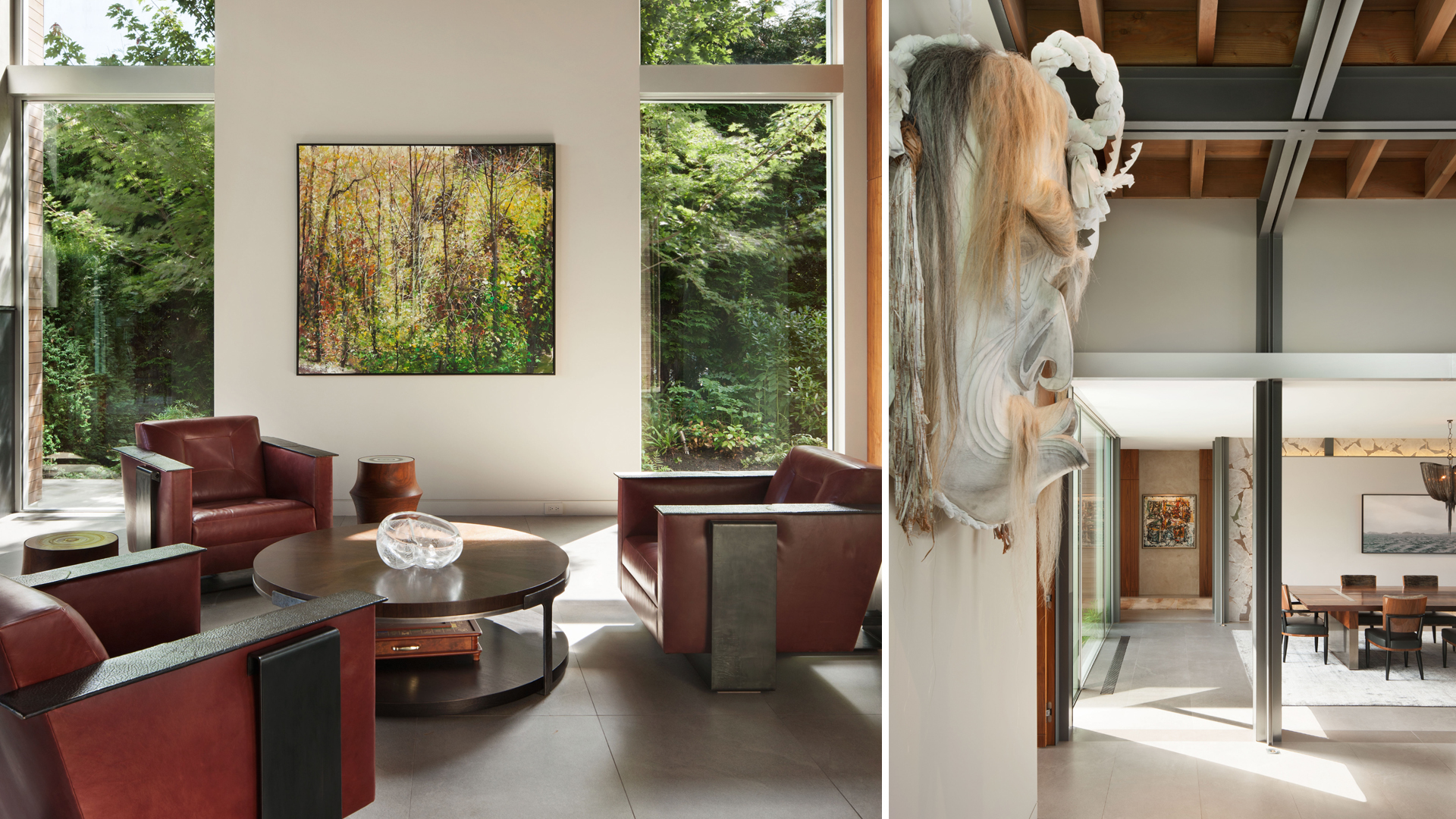
Why Artisan Collaboration Defines the Character of a Home
The elements that give a residence its lasting identity are rarely mass-produced. They are shaped by hand, refined through conversation, and calibrated to the specific conditions of light, material, and proportion that make one home different from every other. Collaborating with artisans in home design is how architecture moves from precise drawings to lived texture, how a wall becomes more than a plane and a fixture becomes more than a source of light.
In high-end residential work, artisan collaboration is not an optional layer of embellishment applied after the architecture is complete. It is woven into the design from the earliest phases, when the character of a home is still being discovered. The maker’s knowledge of material behavior, joinery tolerances, and finishing techniques shapes what the architect draws and the builder constructs. When that knowledge enters the process early, the result is a home where craft and structure speak the same language.
Finding Skilled Craftsmen for Residential Projects
Finding skilled craftsmen who can execute at the level a custom home demands is one of the most consequential steps in any project. The right artisan does not simply follow a specification. They interpret it, test it, and often improve it through prototyping and material experimentation. A metalworker who understands how a bronze threshold strip will oxidize in a coastal climate, or a glass artist who can predict how color shifts under changing daylight, brings a dimension of expertise that no catalog can replicate.
Long-standing relationships between a design firm and its network of craftspeople make this process more efficient and more precise. When an artisan already understands a firm’s design language, less time is spent explaining intent and more time is spent refining the work itself. These relationships develop over years of shared projects where craft and architecture intersect, building mutual trust and a shorthand that accelerates decision-making without sacrificing quality.
The global market for handmade and artisanal goods continues to expand as homeowners increasingly value authenticity and material integrity over mass-produced convenience. Artisanal trades are experiencing a notable renaissance in regions where small workshops produce custom millwork, art glass, and metalwork for luxury residences. Skilled custom furniture makers and stone carvers are in limited supply, which means the relationships a firm maintains with its craftspeople are as valuable as any other aspect of its practice.
Integrating Custom Pieces Into the Architecture
The distinction between a furnished home and a crafted one lies in integration. Custom pieces conceived alongside the architecture participate in the spatial composition rather than simply occupying it. A hand-forged steel railing whose profile echoes the home’s window mullions, a fused glass panel whose translucency responds to the quality of light on a particular wall, or a dining table whose dimensions and material are drawn from the same palette as the surrounding millwork all contribute to a sense of continuity that purchased furnishings, however beautiful, rarely achieve.
Integrating custom pieces requires coordination that begins during schematic design. Ceiling heights, niche dimensions, electrical rough-in locations, and structural supports all need to anticipate the artisan’s work. A custom chandelier cannot be an afterthought if its weight, mounting hardware, and light distribution need to be accounted for in the framing above. A stone basin cannot be specified in isolation if its plumbing connections, countertop reveal, and relationship to adjacent tile patterns must read as one resolved composition.
This is why a design process that develops architecture and interiors in tandem matters so much for artisan-driven work. When the architect, interior designer, and craftsperson are all engaged before construction documents are finalized, every bespoke element can be framed, supported, lit, and finished as though it was always part of the building, because it was.
Bespoke Lighting and Art as Extensions of Architecture
Among the most visible opportunities for collaborating with artisans in design are bespoke lighting and art. A custom light fixture does more than illuminate a room. It establishes scale, anchors a composition, and reveals the textures of the surfaces it touches. Hand-blown glass pendants, forged metal sconces, or sculptural fixtures designed in collaboration with a glass or metalwork artist can become the focal point of a space while remaining coherent with the architecture around them.
Bespoke lighting and art are most effective when they emerge from the same design conversation that shapes the room. A pendant whose glass color responds to the stone floor below, or a wall-mounted sculpture whose proportions relate to the window framing behind it, carries more presence than even the most impressive retail piece placed after the fact. The relationship between object and setting is what transforms a beautiful thing into a meaningful one.
Art curation follows a similar logic. When art selection is part of the interiors process, from mood boards through discovery tours and procurement, the work can be commissioned or selected with full knowledge of the wall dimensions, lighting angles, and color context it will inhabit. This level of intentionality is what distinguishes a home where art feels like an afterthought from one where it feels as though the room was built around it.
Ensuring Quality and Authenticity in Every Detail
Quality in artisan work is not merely about precision, though precision matters. It is about material integrity, appropriate technique, and a finish that will age with grace over decades of daily use. Ensuring quality and authenticity requires close involvement during fabrication, not just at final installation. Reviewing prototypes, approving material samples, and visiting workshops when possible are all part of a rigorous interiors process.
Authenticity in craft means that the piece carries the evidence of its making. A hand-woven rug shows subtle variations in tension that no machine replicates. A hand-troweled plaster wall catches light differently than a sprayed finish. A forged door handle carries the weight and warmth of solid metal shaped under heat. These qualities are not imperfections. They are signatures of a process that values the maker’s hand and the material’s nature, and they contribute to the sensory richness that makes a home feel alive rather than assembled.
For a design firm, maintaining quality also means maintaining accountability. Clear drawings, detailed specifications, and a defined approval sequence between designer, artisan, and client protect everyone involved and ensure the finished piece matches the design intent. This discipline is especially important when architects, builders, and craftspeople are coordinating across multiple trades during construction.
Client Stories Told Through Craft
The most deeply personal homes are those where craft carries narrative. A family’s connection to a particular wood species, a cultural reference expressed in tile pattern, or a textile tradition honored through a custom hand-woven carpet can anchor a home in identity and memory in ways that no off-the-shelf selection can.
Client stories through craft emerge when the design team listens carefully during the earliest conversations and translates what they hear into material decisions. A client who values music might find that the listening room features acoustic panels crafted by a woodworker who understands both resonance and grain. A client who has traveled extensively might see elements of their journeys reflected in a commissioned metalwork screen inspired by a motif encountered abroad. These are not decorating gestures. They are architectural decisions that give the home its soul.
In nearly every project, opportunities exist to weave the client’s story into the fabric of the home through craft. The design team’s role is to identify those opportunities, connect them to the right artisan, and ensure the result feels integrated rather than applied. When this is done well, the home becomes a place that only its owners could have conceived, and every room carries a quiet sense of belonging that visitors feel even if they cannot name its source.
Celebrating Craftsmanship as a Design Philosophy
Collaborating with artisans in design is not simply a procurement strategy. It is a philosophy that shapes how a firm works, what it values, and what it delivers. Celebrating craftsmanship means treating the artisan as a creative partner, not a vendor. It means designing elements that reward skilled hands rather than defaulting to what machines do fastest. And it means building a practice around long-term relationships with makers whose expertise elevates the finished work. The growing influence of artisan collaborations in contemporary design reflects a broader cultural recognition that the human dimension of making carries value no factory can replicate.
Founded in 1996, Garret Cord Werner began as a firm specializing in highly detailed architectural interiors, and the role of the artisan has been central to its work from the start. The firm manufactures its own specialty lighting, furnishings, and hand-woven rugs that can be customized for any project. Over the years, this direct involvement in craft production has deepened the firm’s understanding of what is possible when design direction and fabrication expertise converge.
The global handmade and artisanal products market reflects a broader cultural shift toward valuing authenticity, originality, and the human dimension of making. For homeowners who care about how their home was made, not just how it looks, artisan collaboration is the path to a residence that carries meaning in every surface, joint, and edge. It is the difference between a house that was purchased and a home that was shaped through an integrated vision of architecture, interiors, and craft.
Begin with a conversation about craft and vision
Every home starts with listening. If you are planning a residence where architecture, interiors, and landscape are developed as one, and where artisan craft gives the home its character, share a few details about your project and we can outline the first steps together.


