 ×
×
December 9, 2025
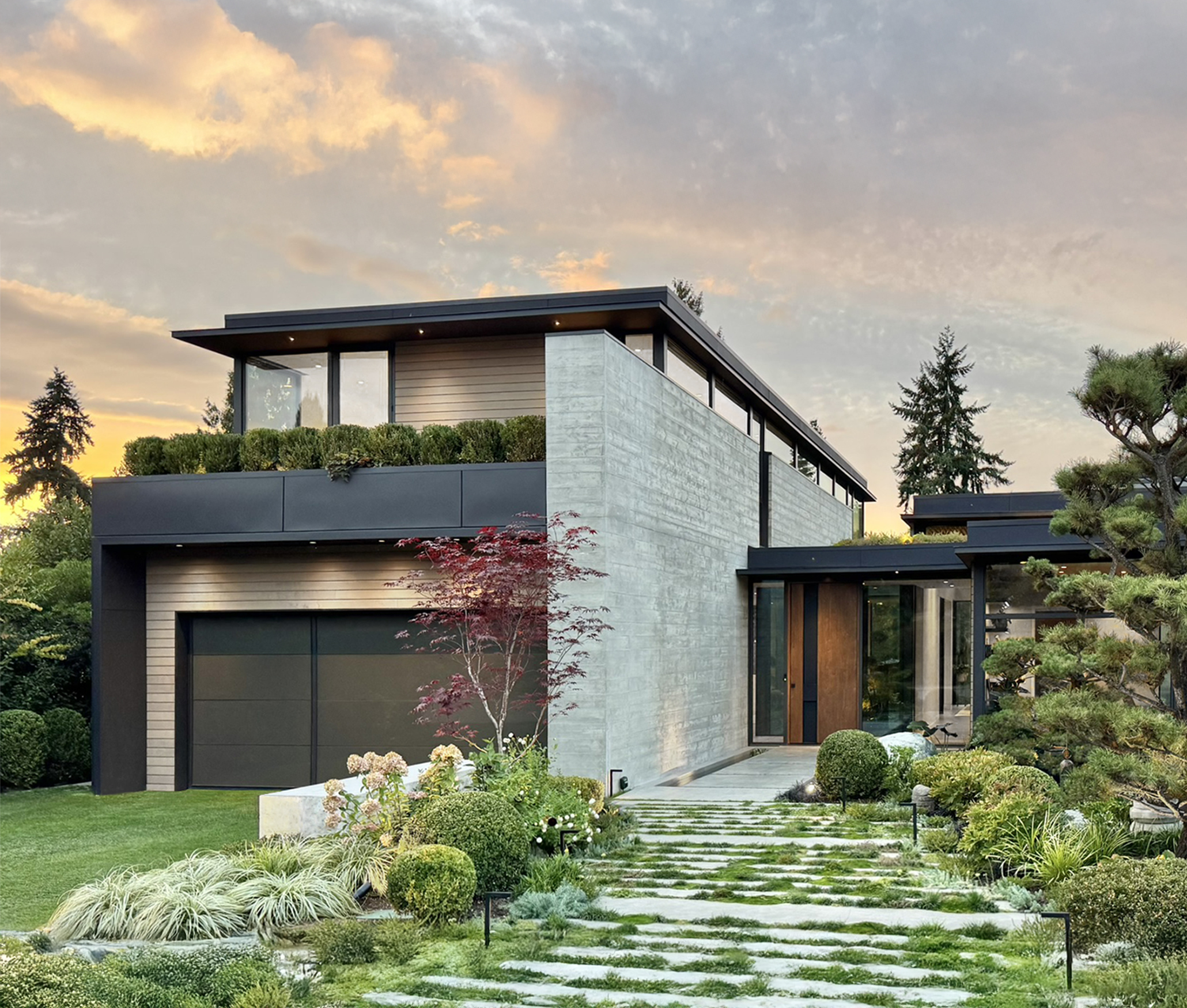
The realities of climate change have made resilient design a new cornerstone of luxury home architecture. From hurricane-force winds and wildfire threats to prolonged heatwaves and flooding, today’s high-end residences are being crafted to gracefully withstand extreme weather. Forward-thinking homeowners and architects now prioritize climate adaptability as much as aesthetics – a shift reflected in market trends. In fact, energy-efficient and climate-resilient home features are quickly gaining popularity, as they help protect both residents and investments. The result is an emerging paradigm of Seattle Architect-designed homes that balance beauty, comfort, and performance in the face of a changing climate.
Designing for Extreme Weather
Floods, Storms, and Rising Seas: Luxury coastal and lakeside homes now quietly incorporate engineering to weather intense storms. Architects are elevating structures above floodplains and fortifying foundations to resist storm surges. For waterfront properties, using flood-resistant materials (like sealed concrete, composite siding, and marine-grade steel) ensures that salt spray and high winds do not erode the home’s integrity. Generous overhangs and hidden flood barriers can deflect heavy rain away from the structure. In one of our architect and interior design projects on Puget Sound, the residence is perched on a high bank and anchored into bedrock, an approach that protects against shoreline erosion and king tides while offering unobstructed ocean views. Hurricane-rated windows and doors with robust seals further allow expansive glass walls to withstand gale-force winds without sacrificing the panoramas – exemplifying how safety meets style on the water’s edge.
Fire-Resistant Home Design: In forested and hillside locales, climate-resilient architecture must contend with seasonal wildfire risks. Design strategies include creating defensible space through thoughtful landscape design (keeping highly flammable vegetation away from structures) and using fire-resistant exterior materials. For example, roofing finished in metal or clay tile and façades clad in fiber-cement, stucco, or natural stone are far less prone to ignition than traditional wood siding. Architects also specify dual-pane tempered glass windows that can endure intense heat without shattering. Indigenous fire-resistant plantings and smart irrigation systems help keep the immediate surroundings moist and less flammable. One recent wooded retreat by our firm features non-combustible, insulated exterior walls and a perimeter of stone terraces, allowing the home to nestle in the forest while being prepared for wind-driven embers. As with all resilient design, the goal is a house that feels at home in its environment yet has a quiet strength to withstand nature’s extremes.
Durable Materials and Construction
High-end residences are increasingly built with an underlying ethos of durability and strength. Selecting structural systems and finishes that can endure harsh conditions ensures these homes stand for generations. Thick, insulated concrete walls, hurricane-grade engineered wood framing, and steel support beams form resilient bones that resist warping, rot, and mechanical stresses. These sturdy elements are often artfully integrated rather than hidden – for instance, exposed structural steel can double as a modern design accent, and concrete walls can be board-formed or textured to add craft and character. In one lakefront remodel we completed, we unified the interior and exterior with blackened steel posts and western red cedar accents, materials chosen not only for their visual warmth but their longevity in damp Northwest weather. Using quality, craft-led construction pays off: high-grade windows with laminated glass, solid bronze or stainless hardware, and premium roofing like standing-seam metal or slate might entail higher upfront cost, but they offer superior performance in extreme wind, rain, and sun. Industry experts note that incorporating durable, low-carbon materials and passive cooling or water management techniques can future-proof a home’s envelope. In essence, climate resilience in luxury design often starts with enduring materials assembled with precision.
Passive Design Strategies and Sustainable Features
Not all resilience comes from thick walls and steel; some of the most powerful strategies are passive and invisible, woven into the home’s design. Architects are reviving time-tested principles – thick masonry walls, deep roof eaves, and internal courtyards – that keep homes naturally cooler and safer during heatwaves or drought. This approach is evident in the growing demand for features like shaded courtyards and dense walls, which provide thermal mass to even out temperature swings. By orienting a home to capture prevailing breezes and avoid direct summer sun, designers can drastically reduce cooling needs. High-performance insulation and air-sealing, paired with operable windows placed for cross-ventilation, allow a house to maintain livable conditions even during power outages. Such passive survivability features proved their worth during recent heat events in the Pacific Northwest, where well-insulated homes with strategic shading stayed significantly cooler through multi-day heat domes. It’s no surprise that “sustainable eco-luxury” is now a centerpiece of modern high-end design – many luxury owners are installing solar panels, battery backups, and rainwater harvesting systems as standard amenities. In fact, features like drought-tolerant landscaping, cisterns for water catchment, and green roofs are becoming expected in upscale builds. These elements offer self-sufficiency (storing water, generating power) while also reducing strain on municipal infrastructure. The beauty of passive and sustainable strategies is how seamlessly they can be integrated: a solar array can be artfully incorporated into the roof design, or a rainwater feature can double as an elegant reflecting pool. By designing with nature’s systems in mind, architects create homes that adapt gracefully – keeping interiors comfortable, utility costs low, and environmental impact minimal.
Future Climate Adaptability
True resilience means looking beyond present conditions to anticipate future challenges. Today’s high-end homes are being engineered with tomorrow’s climate in mind. This forward-looking approach might involve using climate data projections to inform design decisions – for instance, sizing roof drainage and sump systems to handle the heavier downpours expected in coming decades, or selecting exterior finishes with extra UV resistance for intensifying sunlight. In practice, adaptability can also be built into the home’s layout and systems. Architects are leaving room for future installation of back-up power generators or batteries, and designing mechanical systems with flexibility so they can be upgraded as technologies evolve (such as piping layouts that can accommodate future greywater recycling or geothermal loops). The American Institute of Architects now promotes resilient design toolkits that encourage architects to design for changing conditions and hazards over a building’s lifespan – a philosophy of anticipatory design. In luxury residences, this might translate to slightly over-engineering structural connectors and waterproofing details to account for more frequent storms, or using modular construction methods that allow sections of a home to be moved or raised if needed. Importantly, these forward-thinking measures remain invisible to the end user; what owners experience is a home that feels secure and performs reliably no matter what the future brings. As one global architecture firm put it, designing for climate resilience means accounting for both current and future conditions by integrating durable materials, passive techniques, and nature-based solutions from the start. By embracing this mindset, luxury architects ensure that a home built today will serve its owners just as well in 2050, providing peace of mind that is truly priceless.
Site-Specific Resilience and Integration
No two sites share the same climate challenges, so resilient design must be tailored to place. A craft-led, site-specific approach turns local constraints into inspiration. Before a single line is drawn, our team studies the project site’s topography, solar exposure, prevailing winds, and ecology to inform a holistic design strategy. This often leads to ingenious solutions that make the home safer and more beautiful. For example, on a steep oceanfront lot initially deemed “unbuildable,” our Waterfront Pavilion project transformed the challenge into a dramatic design opportunity: we utilized controlled rock excavation to embed the foundation into the cliff, literally anchoring the home into solid bedrock. This not only created a stable, storm-proof base, but also allowed the dwelling to hug the land’s contours and avoid disrupting the fragile slope. We incorporated a green roof blanketed in native plants, so when viewed from above the home blends into the forest canopy – an aesthetic choice that also insulates the roof and absorbs rainwater naturally. In desert environments, site-specific resilience might mean aligning the building to capture cool night winds or integrating courtyards with water features that passively humidify and cool the air. In wetter climates, it could entail designing the landscape with swales and rain gardens to channel heavy runoff safely away from the house. By working through an integrated design-build process that involves architects, engineers, and landscape designers from the outset, each home becomes deeply rooted in its environment. The residence and site function as one ecosystem – from foundation to foliage – resulting in a home that not only withstands the forces of nature, but appears gracefully born of its setting.
Safety Meets Style: The New Standard
The ultimate luxury is a home that shelters you from harm while still delighting the senses. In modern climate-resilient architecture, safety and style are not opposites but equal partners. Every beam, window, and finish in a well-designed resilient home serves both a functional purpose and an aesthetic one. Hurricane shutters can be decorative screens that add architectural interest. Fire-resistant walls of rammed earth or textured concrete create a serene, natural ambiance. Even a sheltered “safe room” or backup power supply can be discreetly integrated into the house layout without disrupting luxury amenities. This balance of comfort, beauty, and high performance is quickly becoming the expectation in luxury markets – climate resilience is seen not as an optional add-on, but as a hallmark of quality. A global report on upscale real estate noted that the changing climate is now a significant driver for luxury buyers who factor sustainability and resilience into their purchasing decisions. Upscale clients want the peace of mind that their homes are future-proof, and they appreciate design features that make this resilience feel effortless. Our own award-winning projects demonstrate that a home can be at once a refined sanctuary and a fortress against the elements. For instance, a recent cliffside residence of ours earned accolades not just for its striking design but for how it harmoniously blends robust construction with the surrounding nature – proving that resilient features can enhance, rather than detract from, the luxury experience. As architects, we see it as our responsibility to deliver dwellings that honor both craft and climate. In doing so, we create living spaces that inspire awe and tranquility, all while standing strong through the storms of life.
Investing in climate-resilient architecture is ultimately about longevity and legacy. A well-built home that adapts to environmental changes will remain a safe haven for generations, withstanding the tests of time and weather. This union of timeless design and future-ready engineering is the new gold standard for luxury residences. Awards for architecture and interior design now frequently celebrate projects that achieve this harmony, reinforcing that resilience and elegance are entirely complementary goals. By designing homes that marry intelligent planning with exquisite detailing, we ensure our clients enjoy not only exquisite living today, but security and sustainability for decades to come. To explore how a climate-resilient high-end home can be crafted for your unique site and vision, please contact us – our team is ready to design a luxury residence that stands beautiful and strong, no matter what the future ho


