 ×
×
June 15, 2026
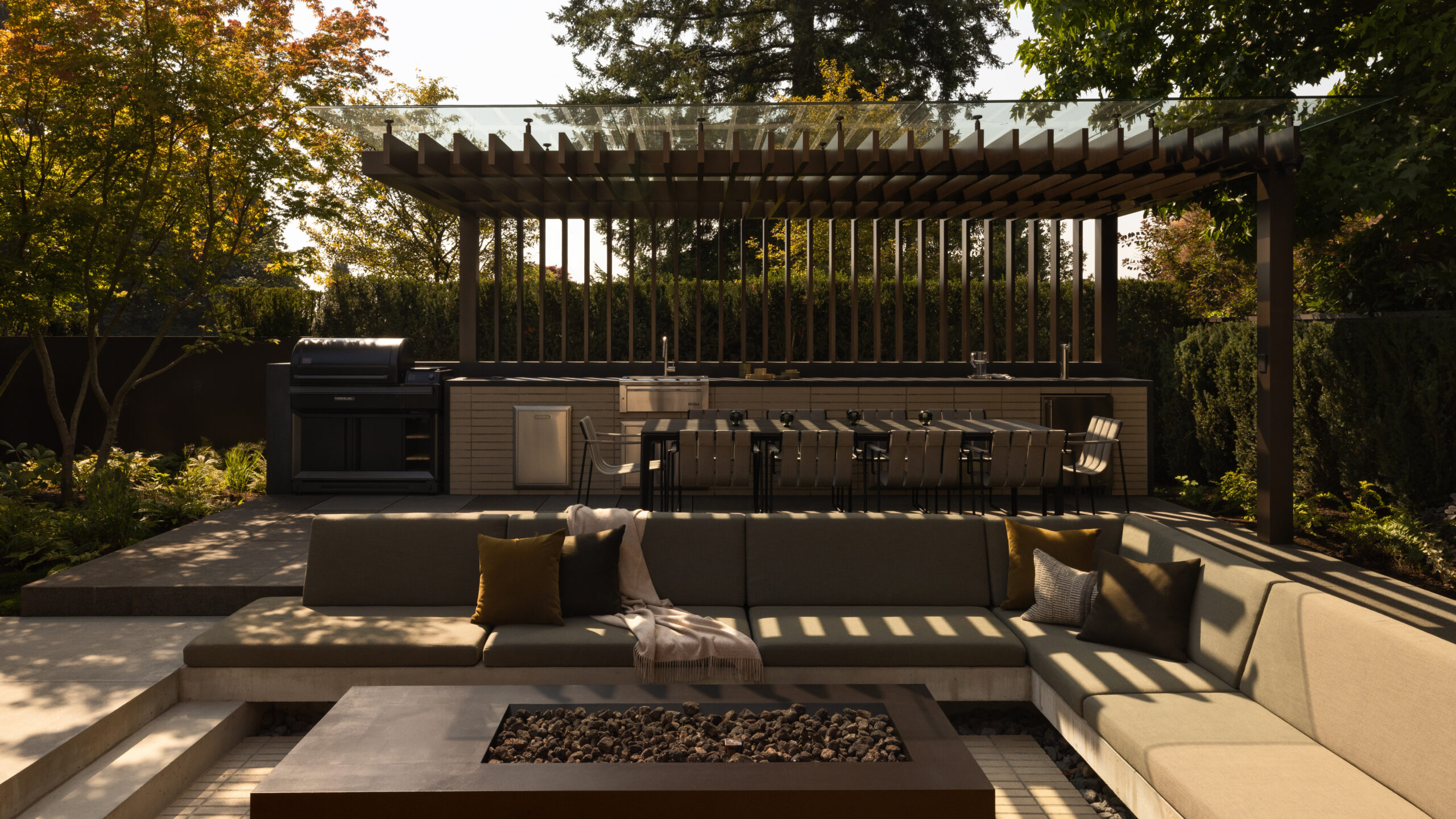
Every dream home begins with a vision, but even in luxury design there are pitfalls that can derail that vision. Avoiding common luxury home design mistakes requires a strategic and integrated approach—one that balances aesthetics with function, and personal style with timeless design. Rather than inducing alarm, it’s empowering to recognize these typical missteps and address them through thoughtful planning. The result is a residence that feels quietly confident, deeply livable, and seamlessly tailored to its setting.
In the sections below, we explore six frequent design mistakes seen in high-end homes and how to avoid them. From the importance of honoring your building site to the value of investing in quality materials, each topic underscores a holistic philosophy of design. By understanding these issues and their solutions, homeowners can make informed choices that lead to a more harmonious and enduring living space.
A luxury home should never exist in isolation from its surroundings. One common mistake is designing a home without considering the site’s context—its landscape, views, climate, and topography. A house placed without regard to their environment can feel out of place and may even suffer practical issues like poor drainage or inadequate natural light. On the other hand, a design that responds to its site appears “inevitable,” as if the home truly belongs where it stands. Embracing the unique qualities of the land not only enhances beauty but also supports comfort and sustainability (for example, positioning a home for optimal sunlight and wind can reduce energy needs).
Key site considerations include:
By leading with the land in the design process, you ensure the architecture and interiors are in harmony with nature. Garret Cord Werner’s projects often exemplify this principle: for instance, a coastal home was nestled into a rocky hillside, using the slope to inspire a dramatic entry and uninterrupted ocean views. The structure was essentially carved into the landscape, allowing indoor and outdoor spaces to flow as one. This site-responsive approach not only avoids the mistake of ignoring context, it elevates the luxury experience—your home feels like a natural extension of its environment.
Luxury design is by nature highly personal and meant to endure, yet homeowners sometimes make the mistake of following short-lived trends too closely. It’s easy to be enamored with the latest magazine spread or social media fad—from a “color of the year” to an ultra-modern fixture that’s in vogue. The risk is that what’s fashionable today may feel dated tomorrow, leaving you with a home that no longer resonates. More importantly, a design driven solely by trends can lack the personal character that makes a home truly yours.
The antidote is to prioritize timeless appeal and authenticity over the fleeting “wow” factor. Before committing to a trendy feature, ask yourself if it aligns with your enduring tastes. As one design editor advises, anything that genuinely matches your personal aesthetic over the long term will be essentially trend-proof for you. In practice, this means using a trend in small, easily changeable doses—such as decor accents or paint—while keeping core elements (floors, cabinetry, architectural details) classic and well-crafted. For example, if bold brass finishes are trending and you love them, incorporate them in light fixtures or hardware that can be updated down the line. But maintain fundamental materials and forms that you won’t tire of.
Avoiding the “designing for trends” trap doesn’t mean your home must be bland or conservative. It’s about creating a timeless canvas and layering in the colors, textures, and features that reflect your identity. Many of our projects blend contemporary and classic influences in exactly this way. By balancing innovation with continuity, you ensure your luxury home feels current and fresh, yet never beholden to a bygone trend.
Even the most luxurious materials and décor will fall flat if the underlying space planning is flawed. Poor space planning is a mistake that manifests in awkward layouts, wasted areas, and rooms that don’t suit their purpose or your lifestyle. Signs of this pitfall include hallways that feel tight, furniture blocking natural pathways, insufficient storage causing chronic clutter, or a lack of functional flow from one area to the next. In a luxury home, where square footage is often ample, there’s no excuse for a layout that doesn’t feel graceful and intuitive.
The key to avoiding poor space planning is to think function-first and anticipate how you will live in each space on a daily basis. Start by mapping out critical adjacencies (for instance, the kitchen should connect smoothly to dining and outdoor areas for entertaining, bedrooms should be placed for privacy, etc.). Circulation paths must be generous and logical—imagine carrying groceries from the garage, or guests moving from the entry to the great room, and design for easy, unobstructed routes. It’s also wise to consider focal points and sightlines. In a well-planned space, your eyes are drawn to a beautiful view or a fireplace, not to the back of a couch or a tangle of doorways.
An integrated architectural and interior design process helps get these details right. Garret Cord Werner’s team, for example, approaches floor plans and furnishings hand-in-hand, so each room’s layout already accounts for real furniture dimensions, art placement, and circulation needs from the earliest drafts. This prevents the common scenario of discovering too late that a dining table doesn’t fit or that a door swings into a cabinet. A real-world example: in one remodel, simply repositioning a large sectional sofa that had been floating in a walkway instantly made the living room feel more open and intentional. Such adjustments underscore that luxury is as much about comfort and usability as it is about appearance. A well-planned space invites you in, guiding you through the home with ease and purpose.
A luxury home is a long-term investment, and ideally it’s a place you’ll enjoy for decades. One mistake is focusing only on present-day desires and ignoring future needs. Families grow and change; young children become teens, older parents might move in, or you might eventually face mobility challenges as you age. Design choices that work for today could pose difficulties down the road if you haven’t planned ahead. For instance, a trendy open staircase with no railing might appeal now, but could become a safety concern later; or that secluded third-floor primary suite might prove inconvenient if single-level living ever becomes necessary.
Thoughtful design anticipates how your needs may evolve so the home can adapt gracefully over time. Consider flexibility and “future-proofing” in features large and small. Will that home office need to convert to a nursery or guest room someday? If you love your home and plan to stay into retirement, would an elevator or a ground-floor bedroom make aging in place easier? It’s also wise to incorporate infrastructure for emerging technologies (like electric car charging or smart home systems) during the build, even if you don’t use them immediately. By making these provisions early, you save the hassle and cost of retrofits later on.
Plan ahead with features that accommodate the future:
By embracing a forward-looking mindset, you ensure your luxury home remains as functional as it is beautiful through all of life’s stages. True luxury is having a home that continues to serve you well, no matter what the future brings.
In high-end home design, quality is not a superficial extra—it is the very substance of luxury. A common error is trying to cut costs by using inferior materials or finishes in the hope that no one will notice. In reality, the feel of a space is greatly affected by material integrity: solid hardwood flooring underfoot versus laminate, or custom wood cabinetry versus cheap composites, can completely change the atmosphere and longevity of a room. Skimping on quality may save money in the short term, but it often leads to regrets when those lower-grade materials wear out, age poorly, or simply fail to give that tactile richness one expects in a luxury home.
Industry experts frequently emphasize the value of investing in key elements that will get heavy use. The goal is to choose materials and furnishings that will stand the test of time both stylistically and physically. In fact, one interior designer notes that the number one mistake she sees is homeowners cutting corners on quality for major pieces like sofas, dining tables, or cabinetry. Instead, spending more up front on well-crafted, durable pieces means you won’t be forced to replace them a few years down the line. Quality materials also tend to age gracefully, developing character (like the patina of natural stone or solid brass) rather than just deteriorating.
None of this is to suggest that every single item in your home must be the most expensive option. A balanced approach is best: save on things that can be easily swapped out (throw pillows or paint color, for example), but never compromise on the construction essentials or foundational furnishings. Garret Cord Werner’s philosophy is to seek out authentic materials and artisan craftsmanship—whether it’s a perfectly executed corner joint on custom millwork or hand-finished plaster walls that subtly catch the light. These details may be quiet, but they are deeply felt. The payoff is a home that not only looks luxurious but also feels solid, refined, and built to last for generations.
Designing a luxury home is a complex endeavor, involving countless decisions from structural layout to the fine points of interior styling. It’s a mistake to defer bringing in professional guidance, or to assume you can figure it all out as you go. Waiting too long to consult an architect or interior designer can result in costly design revisions, construction delays, or a finished home that doesn’t quite meet your needs. By contrast, engaging experienced professionals at the very start of a project sets the stage for success. You benefit from expert space planning, coherent style development, and technical know-how before any concrete is poured or walls are framed.
In the words of one renovation consultant, when you’re undertaking a custom home project, “you are about to spend more than you ever thought possible—it might as well be for a correctly designed thing.” In other words, if you’re investing in a dream home, it pays to do it right. Seasoned architects and designers can envision the big picture and the minute details simultaneously, ensuring that everything from the window placements to the furniture layouts work together in harmony. They also help navigate permits, engineering concerns, and builder coordination. As a homeowner, bringing professionals on board early means you have a trusted team to translate your goals into a feasible plan and to steer you clear of pitfalls. It’s no surprise that experts say professionals are invaluable guides – their perspective can save you from “winging it” and potentially making expensive mistakes.
At Garret Cord Werner, our integrated practice is built on early collaboration. We often begin with clients at the site selection or pre-design stage, bringing architecture, interiors, and landscape design together from day one. This full-service, phased approach means every decision is made with the next step in mind, and the entire home develops as a cohesive vision. By consulting professionals early and continuously, you ensure that your project stays true to your goals, budget, and timeline—resulting in a residence that fulfills your expectations on every level.
If there’s a common thread in avoiding all these mistakes, it is the value of a holistic design approach. Rather than tackling architecture, interior design, and landscape as separate afterthoughts, a luxury home benefits from weaving all these elements together from the start. This is precisely the philosophy that guides our work. We treat the home as one integrated experience: the architecture sets the stage for interior layouts and views, interior design choices inform architectural details, and the landscape design extends the home’s living spaces outward. Every phase—conceptual design, detailed drawings, material selection, and construction—flows into the next with continuity.
This disciplined, end-to-end process helps preempt mistakes before they happen. For example, because our team develops the design process in clear phases, there is ample opportunity to review and refine plans with the client’s input. We create early sketches and mood boards to establish the vision, technical drawings to work out precise dimensions, and even full-scale mock-ups or prototypes for key custom elements. By the time construction begins, potential issues (whether it’s a sightline conflict or a tricky materials transition) have been identified and resolved on paper. It’s a collaborative journey that emphasizes communication and clarity at every step.
The holistic method also reinforces the core qualities we strive for in every project: calm, cohesion, and timeless elegance. When all aspects are in sync, the finished home feels effortless and inevitable, as if every feature is exactly where it belongs. Clients often describe a sense of peace walking through a Garret Cord Werner home—spaces flow logically, natural light and views unfold beautifully, and there is a consistent level of craftsmanship throughout. These outcomes are no accident; they stem from a design process that leaves no detail unconsidered and no decision isolated. In essence, avoiding the “common mistakes” comes naturally when one is always looking at the bigger picture of how a home will live, breathe, and endure over time. It’s a level of thoughtfulness that distinguishes true luxury design.
To see how these principles come together in reality, one can look at some of our completed projects. Each home in our portfolio tells a story of challenges overcome and opportunities realized—often turning potential mistakes into triumphs. For instance, the “Desert Springs Retreat” project was conceived on an expansive but harsh desert site. Rather than impose a generic mansion on the terrain, we drew inspiration from the environment’s light and flora. The design features indoor-outdoor living spaces and sunken courtyards that temper the desert heat, exemplifying how respecting site context results in comfortable luxury. This home also resisted fleeting trends; instead of the ubiquitous all-white modern look, it incorporates a refined interpretation of mid-century and Japanese modernism, giving it a timeless yet distinctive character.
Another example is our “Grand Pavilion” waterfront residence. Initially, the steep, rocky plot was deemed unbuildable by some, but we saw an opportunity for innovation. By carefully carving into the hillside, we integrated the structure with the land’s natural contours. The home’s entry sequence tunnels through the rock, then opens up to panoramic Pacific Northwest views—a dramatic payoff that wouldn’t have been possible if we’d ignored the site’s demands. Inside, the space planning takes full advantage of those vistas: every primary room is oriented toward the water, and circulation areas are placed against the cliffside. The result is a clear illustration that thorough planning and a bold vision (executed with the right professional guidance) can turn a challenging site into a breathtaking asset.
Across our projects, you’ll also notice an unwavering commitment to quality. In the Pacific Spirit Art Estate, for example, we collaborated with artisans to create custom furniture and lighting tailored to the architecture. Each piece was crafted with longevity in mind, ensuring that the home’s elegance will not fade with time. These case studies show that when site, space, materials, and expertise converge, the outcome transcends the ordinary. They stand as proof that the pitfalls discussed earlier are entirely avoidable with the right approach and team.
We invite you to explore more of these stories and get a sense of the possibilities. Browse our full project gallery, read about our design philosophy, or see the recognition in our award-winning portfolio over the years. Each page underscores the same lesson: true luxury home design is about thoughtfulness at every turn, ensuring nothing is overlooked or undervalued.
Ready to discuss your own project? Designing a bespoke home is a collaborative journey, and the earlier you start the conversation, the better. We encourage you to reach out and share your vision, no matter what stage you’re in. Contact us to begin a dialogue about crafting a home that is holistically designed, meticulously executed, and free of the common missteps that can compromise luxury. Your dream home deserves nothing less.


