 ×
×
March 27, 2026
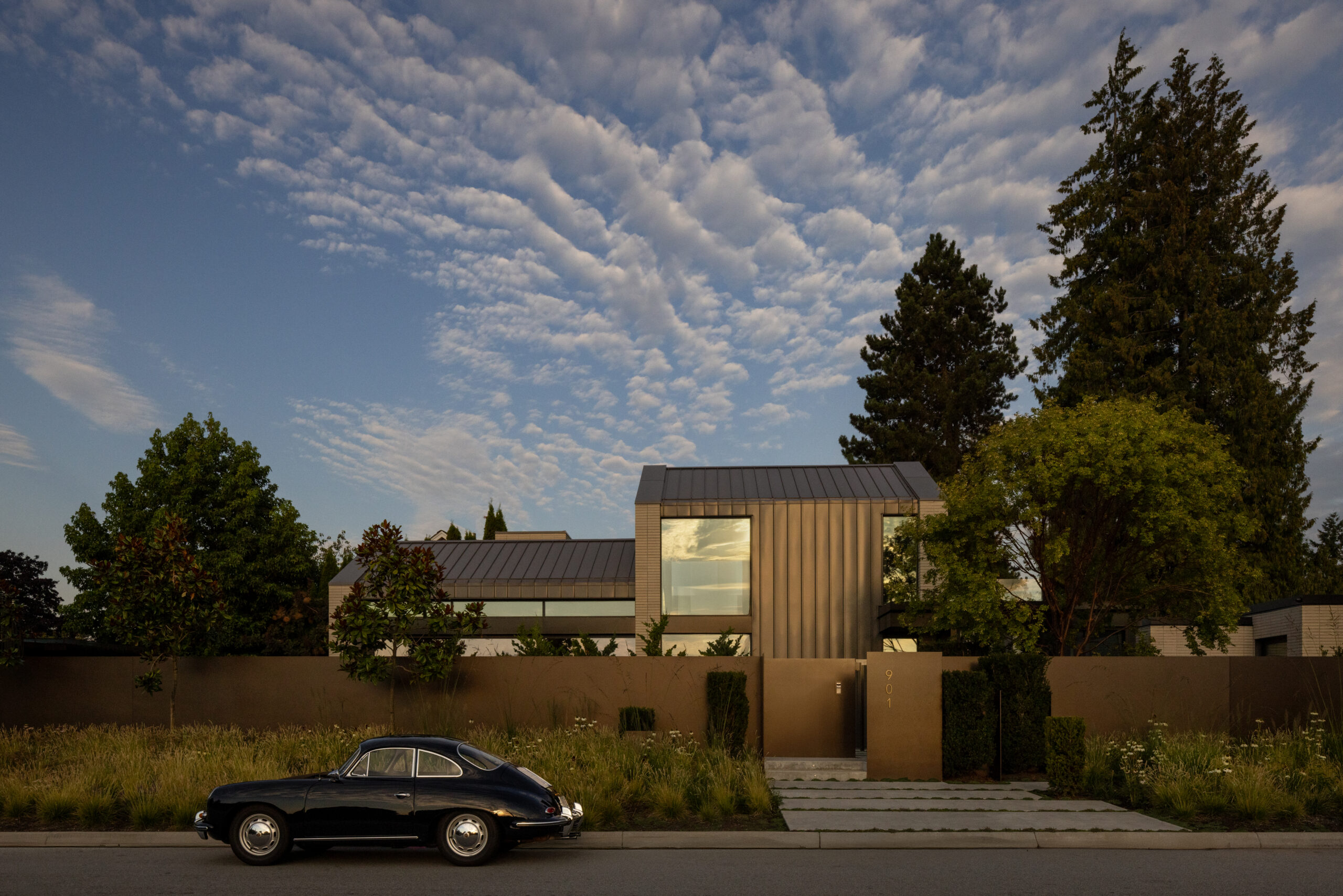
Every home begins with the land. The angle of morning light across a hillside, the path of prevailing winds through a stand of mature trees, the thermal weight of stone beneath the foundation. Passive design strategies for homes work with these natural forces rather than against them, shaping architecture that stays comfortable through the seasons with far less reliance on mechanical heating and cooling. For custom residential projects, where every wall, window, and material is selected with intention, passive design is not an added layer of complexity. It is the starting point for architecture that performs quietly and endures.
The principles behind passive design have roots in building traditions that predate modern HVAC systems by centuries. Thick adobe walls in desert climates, deep eaves on tropical structures, south-facing courtyards in northern regions. What has changed is the precision with which architects can now apply these strategies, using energy modeling, advanced glazing, and high-performance assemblies to calibrate comfort at a level that was not previously achievable. Over one-third of U.S. home builders now report that more than half of their projects incorporate green or energy-conscious design, and 84 percent of homeowners say that living in a home with environmental integrity matters to them. In custom residential work, where the design team controls every variable from site orientation to interior finishes, passive strategies can be integrated seamlessly from the earliest sketch.
Orientation and Sun Shading: The Foundation of Every Passive Home
Orientation is the single most consequential decision in passive design, and it costs nothing. Positioning the long axis of a home along the east-west direction maximizes southern exposure in the Northern Hemisphere, allowing low winter sun to enter principal living spaces while keeping the high summer sun at bay with properly sized overhangs. This approach to site-responsive design is the difference between a home that works with its climate and one that fights it year-round.
South-facing glazing collects solar energy during the heating season, reducing the need for mechanical warmth. The geometry is straightforward: windows oriented within 30 degrees of true south receive the most beneficial winter sun. Paired with roof overhangs calibrated to the site’s latitude, those same windows remain shaded during summer months when the sun tracks higher overhead. This seasonal rhythm of gain and shade is one of the oldest and most effective passive design strategies for homes, and it requires nothing more than careful attention during the schematic design phase.
Sun shading extends beyond fixed overhangs. Exterior louvers, retractable awnings, and deep recessed openings all contribute to solar control. In the Pacific Northwest, where summer sun angles can produce extended late-afternoon heat through west-facing glass, shading on the western elevation becomes particularly important. Deciduous trees planted along the south and west provide canopy shade in summer and allow filtered light through bare branches in winter, merging the landscape directly into the home’s thermal strategy.
Natural Ventilation Design: Cooling Without Compressors
Before mechanical air conditioning became standard, every building relied on cross-ventilation to stay comfortable. Passive design returns to that principle with greater sophistication, using the stack effect and prevailing breezes to move air through a home naturally. The approach begins with understanding local wind patterns and then positioning operable windows, clerestory vents, and interior openings to create reliable airflow paths.
Cross-ventilation works when openings on opposite sides of a room or floor allow air to enter from the windward side and exit from the leeward side. The effectiveness of this strategy depends on the size, placement, and height differential of the openings. Higher outlets draw warm air upward and out, pulling cooler air in through lower windows. This stack-driven ventilation is especially useful during shoulder seasons when outdoor temperatures are mild but interior spaces can still accumulate heat from cooking, occupants, and solar gain through glass.
In projects like the Evergreen Point Sanctuary, a courtyard plan allows winds to cross-ventilate during warmer months while the enclosed form retains heat through winter. Operable sliding glass walls, pocket doors, and strategically placed clerestory windows give occupants direct control over airflow, reducing dependence on air conditioning and deepening the connection between interior spaces and the surrounding landscape. Natural ventilation design is not only an energy strategy. It shapes how a home feels, sounds, and breathes.
Thermal Mass for Heating and Cooling
Thermal mass is the material memory of a building. Dense materials like concrete, stone, brick, and tile absorb heat slowly during the day and release it gradually as temperatures drop. In a well-designed passive home, thermal mass acts as a stabilizer, moderating temperature swings and reducing the peaks and valleys that make conventional homes uncomfortable without constant mechanical intervention.
During the heating season, sunlight streaming through south-facing windows strikes interior surfaces with high thermal mass, such as polished concrete floors or stone feature walls. Those surfaces absorb solar energy throughout the day and radiate warmth back into the room through the evening hours. During the cooling season, thermal mass works in reverse. Nighttime ventilation flushes cooler air across exposed mass, which then absorbs excess daytime heat before it can raise interior temperatures.
The ratio of thermal mass to glazing matters. Too much glass without sufficient mass leads to overheating. Too much mass without solar access creates cold, sluggish spaces. An experienced architect balances these variables using energy modeling, calibrating the proportion of south-facing glazing, mass volume, and insulation to the specific climate zone and site conditions. In the Pacific Northwest, where cloudy winters limit solar gain and summer days can be warm, a moderate amount of thermal mass paired with well-insulated assemblies typically produces the most comfortable result. The key is integration: thermal mass should serve double duty as both a structural or finish material, such as a honed stone floor that anchors the interior palette while quietly regulating temperature throughout the day.
Insulation and High-Performance Glazing
If thermal mass is the battery of a passive home, insulation is the container that keeps energy from leaking away. Continuous insulation throughout the building envelope, including walls, roof, and foundation, reduces conductive heat loss in winter and heat gain in summer. The goal is a tight, well-insulated shell that minimizes the building’s energy demand before any mechanical system is sized.
In passive design, insulation levels typically exceed standard code requirements by a significant margin. Wall assemblies might incorporate double-stud framing or exterior rigid insulation to achieve thermal resistance values two to three times higher than conventional construction. Equally important is eliminating thermal bridges, the points where structural elements like studs, headers, or floor connections create pathways for heat to bypass the insulation layer. Thermal-bridge-free detailing at corners, window rough openings, and roof-to-wall transitions is one of the hallmarks of a rigorously designed passive home.
Glazing deserves particular attention because windows are typically the weakest thermal link in any envelope. A high-performance glazing system for passive homes brings together several critical components:
1. Double or triple panes with low-emissivity coatings that reflect radiant heat back into the room during winter and away from the interior during summer
2. Inert gas fills, such as argon or krypton, between panes to slow conductive heat transfer through the glazing unit
3. Thermally broken or non-conductive frames that prevent the window surround from becoming a cold bridge in the wall assembly
4. Solar heat gain coefficients tuned to each orientation, with higher values on south-facing glass and lower values on east and west elevations to balance winter gain against summer overheating
When insulation and glazing are coordinated as a single system, the result is a home that holds its temperature with remarkable stability, reducing both the size and the runtime of any supplemental heating or cooling equipment.
Landscaping for Climate Control
The landscape around a home is not separate from its thermal performance. Thoughtful planting, grading, and hardscape placement directly influence how much solar radiation reaches the building, how wind moves around and through it, and how effectively the ground contributes to heating and cooling. Landscaping for climate control is one of the most overlooked passive design strategies, yet it can meaningfully reduce a home’s energy needs while enriching the experience of living on the site.
Deciduous trees positioned along the south and west elevations provide the most effective seasonal shading. In summer, a mature canopy can reduce solar heat gain on walls and windows by a substantial margin. In winter, the same trees shed their leaves and allow low-angle sunlight to warm the home. Evergreen plantings on the north and northwest sides serve as windbreaks, reducing convective heat loss during cold months. Even ground cover matters. Planted surfaces around the home stay cooler than paved areas, lowering the ambient temperature of air entering through open windows.
In an integrated design approach, landscape is developed alongside the architecture and interiors from the earliest stages. Exterior walls, planters, walkways, and water features extend the architectural language into the garden, creating a continuous environment where the boundary between built and natural elements dissolves. Green roofs add insulation and reduce stormwater runoff. Native plantings require less irrigation and support local ecology. Retaining walls and earth berming shelter lower levels from temperature extremes. Each of these landscape decisions contributes to a home’s passive performance while deepening the sensory richness of the site.
Reducing Energy Needs Naturally: The Holistic View
Passive design strategies for custom homes work best when they are considered as a system rather than a checklist of individual features. Orientation informs window placement, which determines thermal mass requirements, which shapes insulation strategy, which influences landscape design. Each decision amplifies or constrains the effectiveness of the others. This is why passive design is most successful when it is embedded in the architectural process from the beginning, not applied as a retrofit or an afterthought.
A home designed around these principles brings together several layers of performance that compound one another:
1. Site orientation and building form capture beneficial solar energy in winter and shed excess heat in summer, setting the baseline for how much energy the home will need
2. Continuous insulation and airtight construction preserve interior conditions by minimizing unwanted heat loss and gain through the envelope
3. Thermal mass stores and redistributes energy passively, smoothing temperature fluctuations between day and night without mechanical input
4. Natural ventilation and shading provide cooling during warm months, reducing or eliminating the need for air conditioning in many climates
5. Landscape integration extends the thermal strategy beyond the building footprint, using trees, ground cover, and topography to temper the microclimate around the home
Buildings certified to rigorous passive standards like Phius or Passive House Institute guidelines can reduce heating and cooling energy use by up to 90 percent compared to conventional construction. Even without pursuing formal certification, the underlying principles of orientation, insulation, airtightness, thermal mass, ventilation, and shading can dramatically lower a home’s operational energy demand. For homeowners concerned about rising energy costs, climate resilience, and long-term value, these strategies represent a sound investment. Research consistently shows that 88 percent of homeowners are willing to pay a premium for homes with resilient, high-performance features, and eco-conscious residences tend to hold their value more effectively over time.
In custom residential work, passive design also shapes the intangible qualities that make a home feel right. Rooms that stay warm without forced air blowing. Surfaces that hold the warmth of afternoon sun into the evening. A cross-breeze that draws the scent of the garden through an open living space. These are not just energy metrics. They are the sensory details that define how deeply a home connects its inhabitants to place, season, and the rhythms of the natural world.
Passive Design in Practice: Lessons From the Pacific Northwest
The Pacific Northwest presents a nuanced climate for passive design. Mild but cloudy winters limit solar gain, while increasingly warm summers create demand for passive cooling strategies. Rain and moisture require careful attention to vapor control and durable assemblies. At the same time, the region’s long summer daylight hours, moderate temperature swings, and abundant native vegetation make it an ideal setting for homes that work with the environment rather than sealing themselves off from it.
Projects in this region benefit from a careful balance of south-facing glazing for daylighting, operable windows oriented to capture summer breezes off lakes and sounds, and high-performance assemblies that manage moisture as effectively as they manage heat. Cedar cladding, board-formed concrete, natural stone, and porcelain provide both thermal mass and material integrity suited to the coastal environment. Extended roof overhangs protect walls and windows from rain while calibrating seasonal solar exposure. The result is architecture that feels grounded in its site, performs quietly, and ages with grace.
Passive design in this context is not a separate discipline from architecture. It is architecture, practiced with an awareness of light, wind, slope, and season that has always defined great building. When orientation, ventilation, thermal mass, insulation, glazing, and landscape are developed together as one holistic vision, the home that emerges feels inevitable: calm, precise, and deeply comfortable to inhabit.
Begin With the Land
Garret Cord Werner is a full-service architecture and interior design studio founded in 1996, with roots in hands-on construction and a philosophy that develops architecture, interiors, and landscape as a single, integrated vision. From site analysis and orientation studies through material selection, custom furnishings, lighting, and hand-woven rugs, every layer of a project is shaped to perform, endure, and feel naturally at home in its setting. To explore how passive design strategies can guide your next residential project, reach out to begin a conversation.


