 ×
×
December 22, 2025
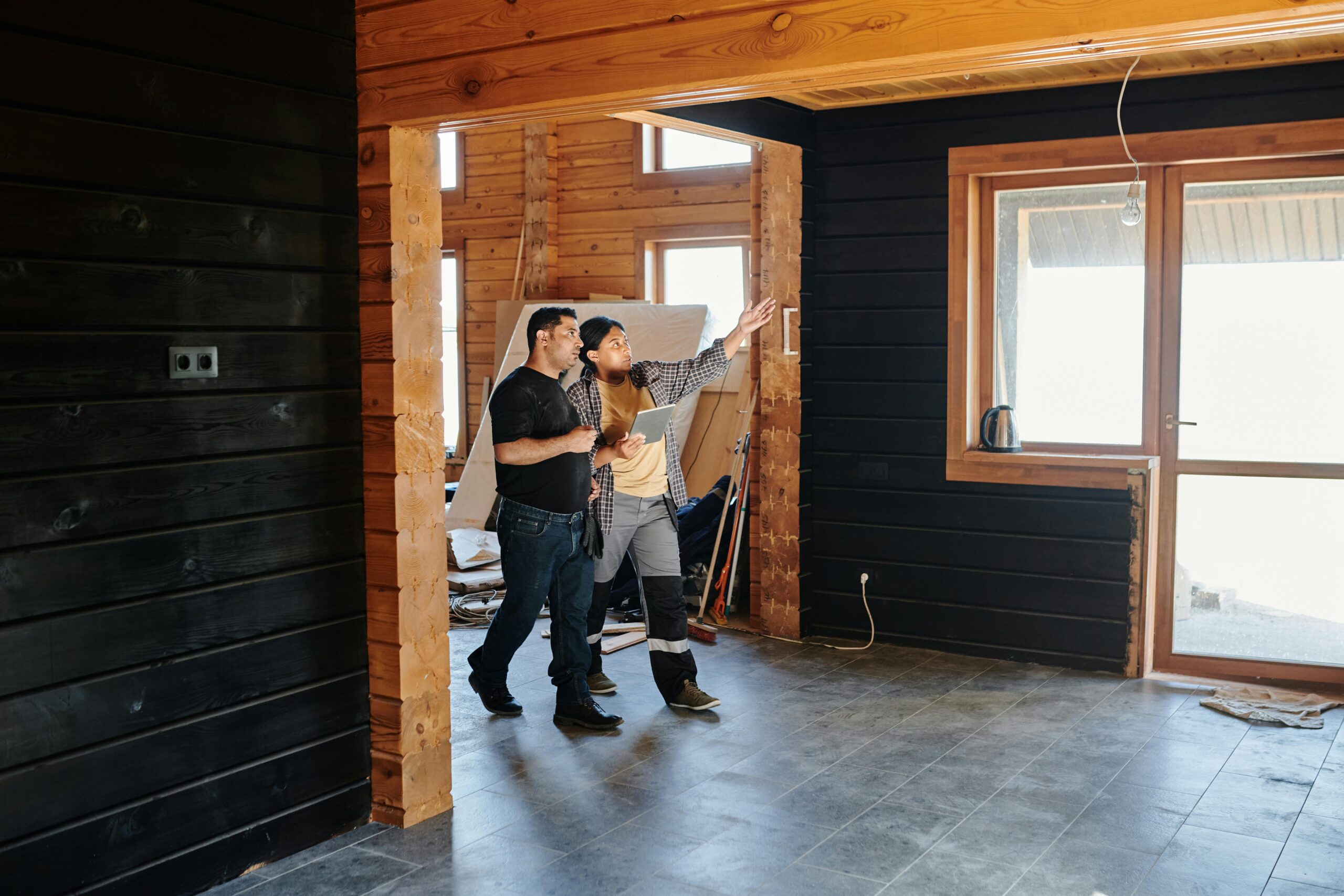
In custom residential design, collaboration between the architect and builder isn’t a luxury – it’s a necessity. These projects are one-of-a-kind and ambitious, with clients investing significant trust and resources. When design and construction teams work in silos, the risk of miscommunication, rework, and cost overruns rises sharply. Recent industry data shows that over 30% of construction projects exceed their budgets by more than 25% due to misalignment between design intent and on-site realities. By contrast, a true partnership between architect and contractor keeps everyone aiming for the same vision, resulting in smoother builds and superior homes.
Why Architect-Builder Collaboration Matters
The stakes in custom residential projects: In a bespoke home, every detail is deliberate and personal. There is no “template” to fall back on – the design is often pushing boundaries with unique features, high-end materials, and complex integrations. Any breakdown in coordination can mean expensive delays or compromises to the design. The owner expects a seamless process and a flawless result, so architect-builder teamwork is critical to deliver on time and within budget. A well-aligned team can catch issues early and adapt, preventing small problems from snowballing into major setbacks.
Avoiding disconnects and fragmentation: Traditionally, design and construction have sometimes been fragmented, with architects handing off plans and contractors figuring things out on the fly. This disconnect can lead to change orders, budget surprises, and finger-pointing. It’s far more effective to eliminate the “over the wall” mentality. When the architect and builder work closely from day one, design decisions are made with real-world input on costs, methods, and site conditions. This kind of early alignment minimizes surprises and avoids delays by grounding the vision in what’s actually feasible. In short, collaboration ensures the project’s creative intent and practical execution stay in sync.
Establishing a Strong Architect & Contractor Partnership
Early builder involvement in design development: One of the best ways to forge a strong partnership is to include the builder during the design phase. Rather than finalizing plans in isolation, the architect can invite contractor input on structural feasibility, material options, and scheduling impacts while the drawings are still fluid. At GCW, our design-build process embraces this early collaboration. For example, as the architect sketches out ideas, the builder might advise on a more constructible roof detail or confirm that a proposed material is readily available. Involving the contractor early ensures the design isn’t just beautiful, but buildable. It also creates buy-in – the builder understands the “why” behind design choices and can plan ahead to execute them correctly.
Open communication about constructability and budget alignment: Honest, frequent communication is the backbone of an effective architect-contractor partnership. Both parties should feel comfortable discussing what’s possible within the budget and technical constraints. For instance, if a certain cantilevered deck design will be costly or tricky to build, the builder should voice that concern while there’s still time to adjust the drawings. Likewise, the architect can clarify which design elements are high priority, so the team can allocate resources accordingly. This transparency keeps the project on track financially and structurally. In practice, it may involve joint value engineering sessions where alternatives are evaluated to meet budget without sacrificing the core design intent. When architect and builder openly trade ideas about cost and constructability, the final plan benefits from both creative vision and practical wisdom.
Strategies for Ensuring Design Intent in Build
Maintaining quality from drawings to construction site: A successful collaboration ensures that the home built in the field matches the home envisioned on paper. One strategy is rigorous construction documentation and review – the architect provides clear drawings and specifications, and the builder reviews them in detail before breaking ground. Equally important are quality checkpoints. For example, the architect might join the builder in reviewing a mock-up of a key detail (such as a custom window installation or a unique stair connection) to confirm it meets the design standard. This way, any subtle issues can be corrected early. Another tactic is to establish shared quality benchmarks: both architect and contractor agree on the level of finish and craftsmanship expected, so there’s no ambiguity once construction starts. By translating design vision into concrete guidelines and checking in regularly, the team preserves the integrity of the design through each stage of building.
Shared understanding of priorities and materials: In any complex build, there may come a time when adjustments are needed – perhaps a specified material is back-ordered, or a field condition calls for a detail change. When architect and builder share a clear understanding of the design priorities, they can make these decisions together without undermining the project’s character. For example, the architect can convey which materials or features are absolutely central to the design (a signature wood species or an exact shade of stone), and the builder can plan to source and handle those with extra care. Conversely, the builder might highlight where a simpler solution could work if needed (perhaps a hidden structural element that could be swapped for a more readily available alternative). By aligning on what matters most, the team can accommodate necessary changes while not compromising the original design intent. This mutual respect for each other’s expertise – the architect’s vision and the builder’s know-how – ensures the finished home retains its intended look and feel, down to the smallest details.
Communication During Construction
Even with careful planning, the construction phase will always involve surprises and on-the-spot decisions. That’s why continuous communication in the field is so important. A hallmark of good architect-builder collaboration is scheduling regular site walkthroughs together. During these walks, the architect can observe the work in progress and the contractor can point out any challenges or deviations. Issues are addressed in real time – perhaps a framing detail that looked fine on paper needs a tweak on site, or an alternative mounting method is required for a light fixture due to a hidden beam. Instead of trading long email chains, the team hashes it out on site and agrees on a solution.
Timely communication also means using tools like shared photos, chat groups, or project management apps so everyone stays updated between formal meetings. If a question arises, say about an unclear detail on the plan, the contractor can send a quick request for information and the architect responds with a sketch or clarification before it becomes a delay. This collaborative problem-solving keeps the project momentum going. Critically, the architect remains involved through construction, rather than disappearing after handing over drawings. By staying present, they can ensure the design vision is carried through. In fact, architects often conduct periodic site visits to verify that the work aligns with the design intent and to help resolve any unforeseen issues that come up. The architect and builder effectively become a team of troubleshooters – the architect regularly visits the site to see that construction meets the design intent and advises on solutions when unexpected challenges arise. This unified front means that when surprises happen (and they always do), both design and construction perspectives are applied to find the best resolution for the project and the client.
Case Studies in Collaborative Delivery
Garret Cord Werner’s portfolio offers many examples of architect-builder teamwork delivering outstanding results. Our approach is highly collaborative, and we often partner closely with builders and craftspeople from the earliest stages to final touches. A few projects illustrate how this plays out:
1. Mercer Island Modern – This 4,200 sq. ft. spa-like retreat features a continuous indoor-outdoor water spine and dramatic floor-to-ceiling glass walls. To achieve its “inside-out” living experience, the architect and builder had to choreograph structure and waterproofing solutions very carefully. Early contractor involvement was key in devising how a lap pool could sit partially within the home’s central core without causing humidity or structural issues. Throughout construction, the architect and builder worked hand-in-hand to ensure the sliding glass wall systems and floating deck were executed flawlessly. The result is a sanctuary that feels effortless, but behind the scenes it required intense coordination to meld architecture, water, and nature so seamlessly.
2. Pacific Spirit Art Estate – A 12,000 sq. ft. estate in Vancouver, BC, Pacific Spirit was conceived as a fusion of architecture, interior design, art, and landscape. Delivering on that vision meant unifying many disciplines on site. The construction team was involved early to plan for extensive glass walls, integrated koi ponds, and heavy art installations within the home. During the build, frequent collaboration ensured that modern engineering solutions (like structural steel for huge window openings) didn’t interfere with the home’s tranquil, nature-inspired aesthetic. The contractor’s precision and openness to creative methods allowed features such as a seamless indoor-outdoor transition and specialty concrete finishes to come out exactly as the designers intended. This project stands as a testament to how builder collaboration can enable breathtaking complexity – the home feels at one with its landscape, achieved through hundreds of coordinated decisions by the design and construction teams.
3. Lake Washington Shores – At 6,800 sq. ft., this Bellevue residence was designed as a “living gallery” for an extensive Northwest art collection. Realizing its bold features required close teamwork from design through delivery. For instance, the home’s centerpiece is a 35-foot-long custom dining table designed by GCW – effectively a piece of functional art. The builders collaborated with our designers and a metal fabricator to ensure the table’s mahogany and nickel-plated steel structure could be assembled safely on site and even disassembled for flexibility. Similarly, installing the home’s fused-glass feature wall and floating vanities called for problem-solving between the architect, artisans, and contractor to get every detail right. Thanks to a partnership approach, this project’s innovative elements – from the zen garden primary suite to the indoor-outdoor pavilion – were executed with meticulous care. The home won acclaim for its seamless blend of art and architecture, an outcome only possible through true collaboration among the creative team and the builders.
Teamwork from Design to Delivery
These case studies highlight a common thread: continuity. When the architect’s team and the builder’s team act as one from design through final delivery, the project benefits from that consistency. There’s a shared respect that develops – the architect trusts the builder to uphold the design vision, and the builder trusts the architect to be responsive and reasonable when field conditions require adjustments. This mutual respect fosters a positive working environment where everyone is focused on the same goal rather than protecting their turf.
True collaboration also extends beyond just the architect and general contractor. It includes the extended network of trades and artisans. At GCW we collaborate closely with builders and craftspeople at heart – whether it’s a cabinetmaker crafting custom millwork or a metalworker forging a bespoke railing, everyone is brought into the conversation early. By treating contractors and craftspeople as creative partners, not just vendors, we ensure that each layer of the home – structure, finishes, furnishings – serves the unified vision. The continuity of teamwork from initial concept sketches to the final coat of paint means the original design intent carries through every phase. The payoff is a home where architecture, interior design, and construction detailing all sing in harmony, with nothing lost in translation. It’s a process built on trust, communication, and a shared passion for craft.
Working with GCW
Garret Cord Werner is committed to a truly integrated design and build experience. As a longtime Seattle Architect specializing in custom residences, we’ve seen firsthand that the best projects happen when architects and builders form a cohesive team. If you are considering a new home or major renovation, we invite you to reach out and experience our collaborative approach. From the first conversation, we emphasize listening and alignment – understanding your vision, assembling the right team of designer and builder, and mapping out a clear path forward.
Our portfolio of architect and interior design projects showcases the results of this approach: homes that are unique, deeply livable, and crafted to the highest standards. Many of these projects have earned regional and national awards for architecture and interior design, but what we’re proudest of is the lasting relationships built in the process. Clients, architects, and builders often continue working together project after project, which speaks to the trust and synergy that collaboration creates. If you’re ready to embark on a project with a team that values partnership and precision, contact us to start the conversation. We look forward to turning your vision into reality through the power of architect-builder collaboration.


