 ×
×
November 21, 2025
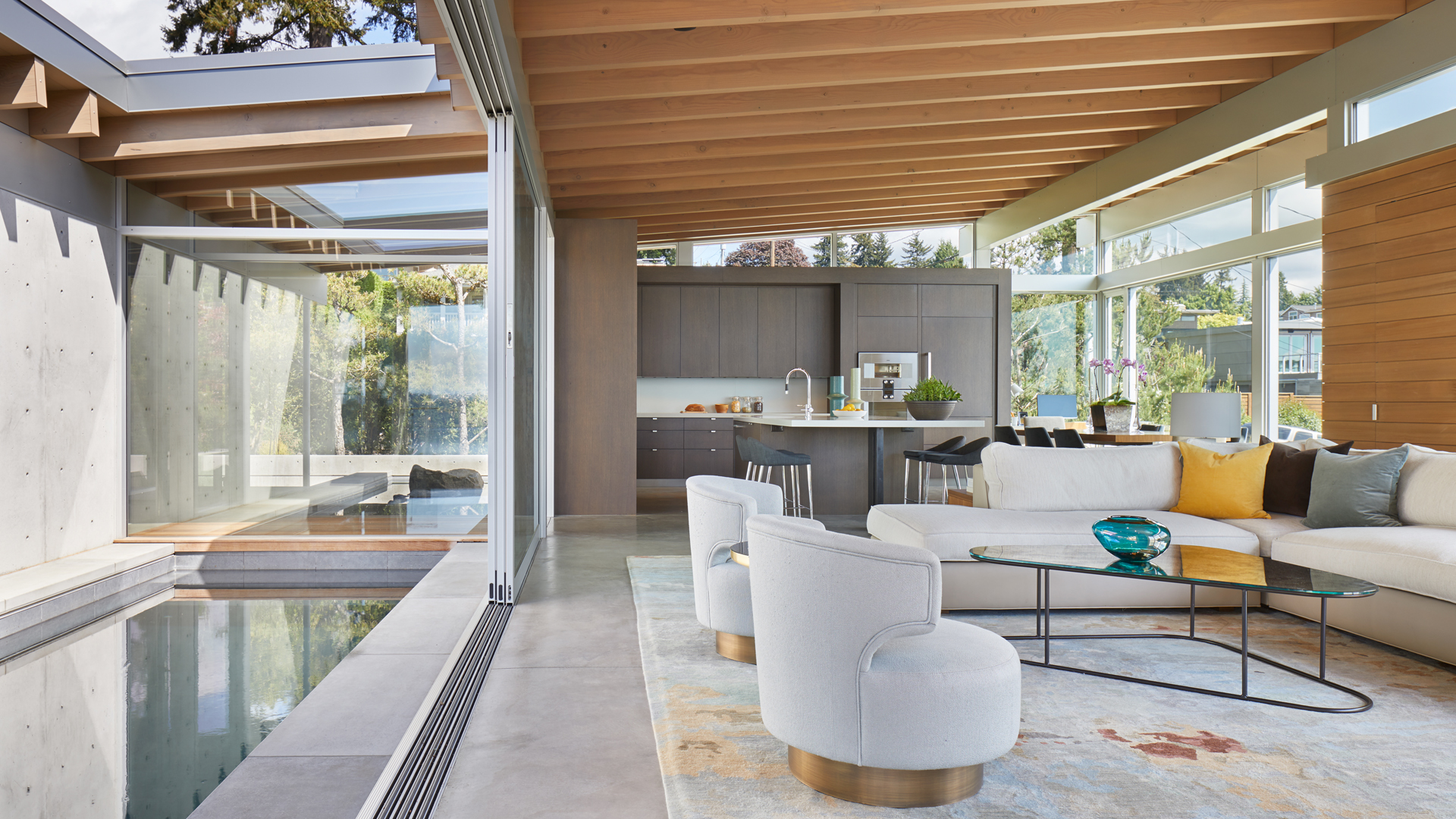
In a world of advanced technology and mass production, many of today’s finest homes are embracing something timeless: true craftsmanship. Modern architecture at the luxury level celebrates the artistry of the human hand—handcrafted building details, bespoke design elements, and the artisanal use of materials that infuse spaces with soul and intention. Especially in the Pacific Northwest, a region known for natural beauty and creative culture, this craft-centered approach prioritizes quality over mass production and reconnects contemporary living spaces with tradition and heritage.
A Heritage of Craft in Architecture
For centuries, architecture was synonymous with craft. Master builders carved stone by hand and joiners shaped wood into elegant structures. Even as industrialization took hold, late-19th-century visionaries in the Arts and Crafts movement urged a return to “handcrafted authenticity, simplicity and natural materials” in design, championing the hand of the artist in every detail. That human-centric ethos carried into early modern home styles—indeed, classic Craftsman bungalows and mid-century Northwest modern homes were deeply influenced by this philosophy of honest materials and fine workmanship. While the mid-20th century’s embrace of minimalism and mass production sometimes shifted focus away from ornamentation, the core idea never disappeared: a home crafted with care has a warmth and integrity that stand the test of time. Today, architects are reviving and redefining those traditional crafts in modern homes, proving that old-world artistry and contemporary design can beautifully coexist.
Modern Craftsmanship: Quality Over Mass Production
As we step into the present, a new movement has taken hold among luxury homeowners: a turn toward authenticity and individual expression in design. Across high-end communities, “quiet luxury” now prevails over ostentation—wealthy homeowners are favoring understated, highly personalized spaces over flashy showpieces. Interior designers report that affluent clients increasingly eschew off-the-shelf decor in favor of bespoke furnishings and artisan-crafted pieces that reflect their personal style. This push for personalization is more than a stylistic trend; it’s reshaping the market itself. The bespoke furniture sector, for example, was valued around $35.5 billion in 2023 and is projected to reach roughly $58 billion by 2031 as demand for one-of-a-kind pieces grows steadily. Notably, around 85% of luxury homebuyers now engage professional designers for major projects—underscoring that tailored design and expert craftsmanship have become standard expectations at the top end of the market.
In practice, this modern craftsmanship ethos means filling homes with objects and details that are unique to each residence. Instead of cookie-cutter fixtures, we see custom metalwork hand-forged by local blacksmiths; instead of generic cabinetry, we see millwork built by artisans to precisely fit the space. Every material is chosen with intention. Rich woods, hand-glazed tiles, and sculpted stone surfaces impart a tactile sense of quality that mass-produced materials simply can’t replicate. The result is an environment that feels curated and deeply personal—a reflection of the homeowner’s identity and values, achieved through craft.
Consider a few examples of how craft comes alive in modern luxury residences:
● A dining table made from a single slab of Northwest walnut, custom-crafted to fit the kitchen and showcase the wood’s natural grain.
● An entire powder room wall composed of fused artisanal glass, which glows like a jewel when backlit.
● A dramatic pendant light hand-blown in collaboration with a local glass artist, its warm glow turning a simple room into a gallery of light and shadow.
● Custom furniture and cabinetry built by master craftspeople, tailored precisely to the client’s lifestyle—from a bespoke reading nook that perfectly embraces a view, to a seamless built-in bar that marries form and function.
These kinds of handcrafted touches are more than aesthetic flourishes. They create an emotional connection between the inhabitants and their home. When you run your hand along a smooth wood railing that a craftsperson shaped specifically for your stair, or dine at a table that was literally built for you, there is a sense of meaning and permanence that mass-produced items rarely provide. This is the essence of having traditional crafts in modern homes: every space tells a story, and every detail is an investment in quality meant to be appreciated for generations.
In an era of throwaway trends, this commitment to craft acts as a quiet rebellion—reminding us that our living spaces should have roots, resonance, and soul, as true luxuries always do.
Pacific Northwest: Where Craft Meets Contemporary Design
In the Pacific Northwest in particular, this marriage of craft and modern design feels especially natural. For a Seattle Architect designing high-end residences, the region provides an ideal canvas: local design culture has long prized the blend of artistry, landscape, and clean contemporary lines. Few places in North America are as defined by a deep appreciation of craft, materials, and natural systems as the Pacific Northwest. Here, architecture often takes its cues from nature—expansive windows frame lush forests and water vistas, and organic materials abound. It’s common to see interiors featuring native woods like cedar and walnut, locally quarried stone, and metalwork forged by regional artisans.
This tradition of craftsmanship runs deep in the Northwest. Generations of local makers—woodworkers, glassblowers, metal fabricators—have honed their skills here, and their work finds its way into modern homes as one-of-a-kind architectural details. A custom cedar ceiling, for instance, not only warms a space visually but carries the faint, resinous aroma of the woods outside. Hand-wrought bronze door handles might greet you with a satisfying weight and patina, their design inspired by the region’s natural motifs or indigenous art. Such elements lend a sense of place that no catalog product can replicate. Architecture in this region often blurs indoor and outdoor living, and craftsmanship follows suit: exterior and interior details are conceived together, often by the same team of designers and craftspeople working in concert. The end result is homes that feel truly rooted in their environment and culture.
It’s no surprise that Seattle and its surrounding communities have become a hotbed for bespoke residential projects. A thriving tech economy has brought resources, but it’s the Pacific Northwest mindset—valuing quality of life, authenticity, and the creative process—that drives the demand for craft-led design. Homeowners here aren’t just looking for a beautiful house; they want a meaningful, collaborative experience in creating it. In this atmosphere, architects and clients alike embrace the idea that a modern home can be a canvas for art and craft, from the overall form down to the smallest joinery.
Craftsmanship Through Collaboration
At Garret Cord Werner Architects & Interior Designers, this ethos is embedded in how we work. Our design build process is highly collaborative from day one, bringing architects, interior designers, and artisans to the same table. We treat architecture, interiors, furniture, and landscape as a single woven composition, where every detail – a railing, a light fixture, a piece of custom furniture – is stitched thoughtfully into the whole. Achieving this level of harmony means working closely with master craftspeople at every step. In nearly all our projects, we commission specialized artisans to fabricate specific architectural elements and furnishings, ensuring that each detail relates directly to the larger vision. In fact, our portfolio of Architect and Interior Design Projects is filled with bespoke pieces created for each client. Over the years our firm has fostered long-standing relationships with talented makers, enabling us to offer clients complete custom solutions – from hand-woven carpets to one-of-a-kind lighting installations – crafted precisely for their space. Most of the furnishings and fixtures you see in our projects have been custom designed by our team and manufactured by artisans for each individual client.
The beauty of this craft-led, integrated approach is that nothing is an afterthought; every element is considered architecture. A staircase might feature bespoke iron balustrades that echo a pattern from the exterior façade. A living room chair may be custom-upholstered in a hue that picks up the tones of the stone hearth. By conceiving these elements together, the entire home feels cohesive and personal, rather than a collection of off-the-shelf pieces. Clients often describe the result as a home that feels truly theirs in every sense. It’s an approach that has earned our firm a reputation for meticulous, high-touch design (along with multiple awards for architecture and interior design), but what matters far more is the lasting quality it provides. When design and execution are fused through craft, the home becomes more than a showcase—it becomes a legacy piece meant to be enjoyed for decades.
Ultimately, craftsmanship in modern architecture is about creating homes with a sense of soul and intention. When craft and luxury are intertwined, the result is a space that feels quietly powerful, deeply livable, and meticulously crafted—truly one of a kind. For those who dream of such a home, the journey begins with a shared vision and the right team. We invite you to Contact Us to explore how an intentional, craft-led design process can bring your own vision to life.


